

Meet El Presidente: The 4-Ingredient Cuban Cocktail With Murky Origins
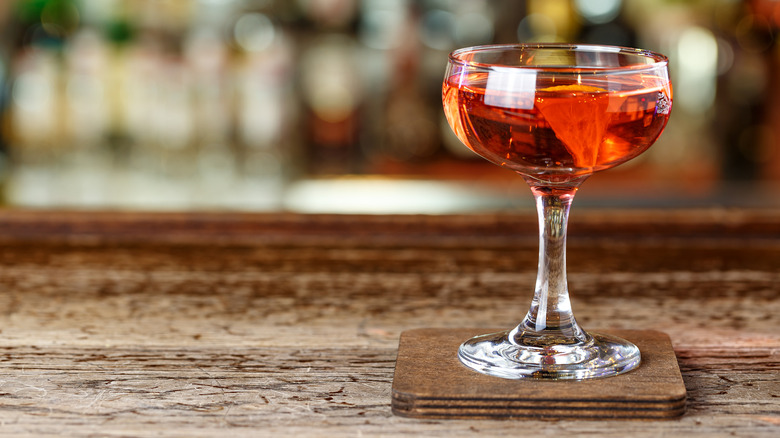
New cocktails emerge everyday thanks to creative mixologists who love experimenting with the myriad of ingredients at their disposal. But we shouldn't overlook some classics, even if their origin stories are a bit complicated. The El Presidente, a classic Cuban concoction, is a perfect example. This four-ingredient cocktail typically blends white rum, dry vermouth, orange curaçao, and grenadine. The drink originated in Cuba in the early 1900s, but as to whom invented it, the jury is still out, and there isn't likely to be a verdict any time soon.
There are several stories swirling around about who deserves the credit for first coming up with the El Presidente and when. The first known printed recipe dates back to 1915 and was written by John Escalante, who published it in the "Manual del Cantinero" in Havana, Cuba. This recipe is similar to the modern day El Presidente with the exception that it contained bitters. Another source gives credit to an American who worked as a bartender in Havana: Eddie Woelke. According to cocktail lore, this recipe was created as an homage to Cuba's president. Only, no one knows which one. What we can say is that the El Presidente was a popular drink in Cuba in the early 1900s, and although only one version contained bitters, they all contain the same four core ingredients that make it a smooth and elegant cocktail.
El Presidente's popularity crossed borders
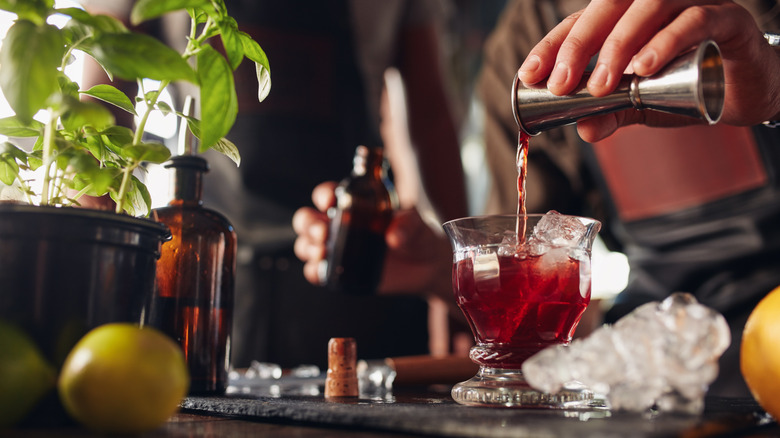
El Presidente's origin, while a bit convoluted, is not exactly a unique case — there are many popular cocktails with fascinating origin stories. What may be unique, however, is how the El Presidente fits into the history of Prohibition. While the United States banned liquor from 1920 to 1933, alcoholic drinks continued to flow in other countries like Cuba. In 1928, not long after the El Presidente became a hit in Havana, U.S. President Calvin Coolidge visited Cuba's presidential palace. When the sitting president offered President Coolidge the famed drink during his visit, he declined out of respect for Prohibition in the U.S.
But Cuba was a well-known vacation spot for Americans, and the drink became quite popular for them while visiting during the years of Prohibition, especially cruise ship passengers who were frequently targeted by local vendors trying to sell cocktails. The drink was considered high-end and elegant, which not only helped with the cocktail's popularity in Cuba at the time, but also sent tourists home with fond memories that carried over once Prohibition ended.
Tips for making El Presidente at home
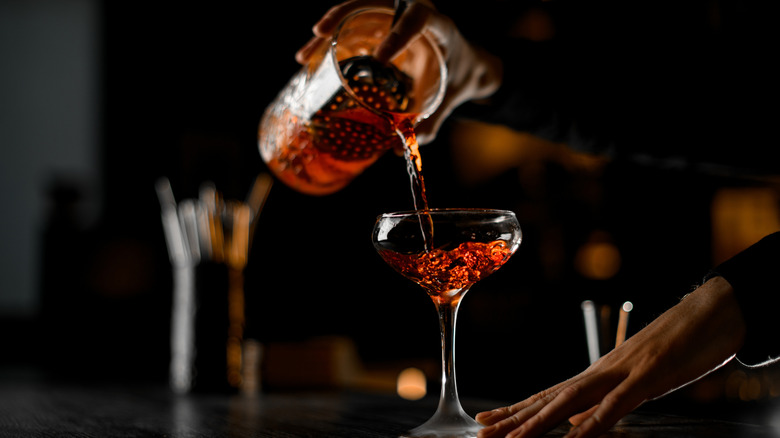
El Presidente may not be one of the strongest cocktails you can order, but if you want to try making it at home, you have the freedom to play with a few different ingredients (like bitters) thanks to the various versions history has given us. When it comes to making your cocktail slap, be sure you hit the mark with the core ingredients that make an El Presidente such a classic cocktail: 2 ounces of rum and 1 ounce each of orange curaҫao and dry vermouth, plus 1 teaspoon of grenadine. Then garnish your drink with an orange peel and a maraschino cherry. You'll also want to follow pro steps for icing your glass. El Presidente is usually served in a coupe glass and is best served cold. Icing the glass beforehand will help keep it colder longer.
When it comes to your ingredients, go with the good stuff. A high-quality rum will result in a better tasting drink, so if you want to do this cocktail justice, skip this type of rum that's best left at the liquor store. Instead, opt for a top-shelf white rum that will give you a clean, balanced flavor. Armed with the knowledge of this drink's complicated history and the basic list of ingredients that make up an El Presidente, consider adding this classic beverage to your cocktail repertoire.