

The Country That Produces The Most Tomatoes Isn't Italy Or The US
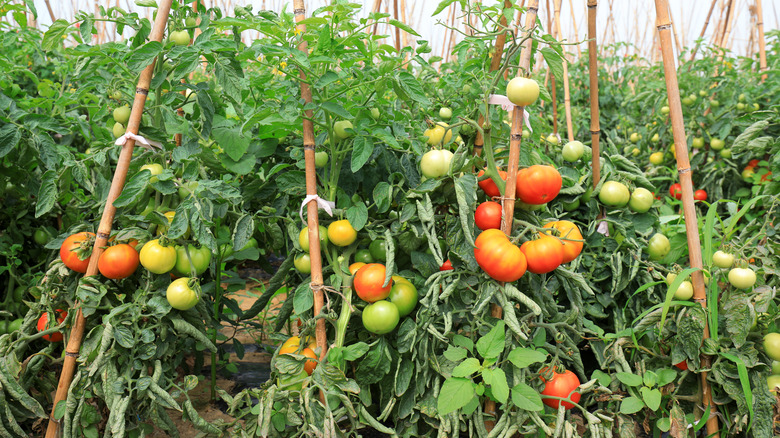
Tomatoes may be central to Italy's cuisine, but the country that actually grows the most of them isn't even in the Mediterranean. If you've ever wondered which U.S. state grows the most tomatoes (California), you may be interested in this fact — the country that produces the most tomatoes is actually China — and by a landslide. According to the Food and Agriculture Organization of the United Nations, China grew an astonishing 70,214,667 tons of tomatoes in a single year (2023), which is more than five times what the United States grew and nearly 12 times what Italy did.
While this may be surprising to some, it actually makes sense when you think about China's massive farming capacity and how tomatoes are a versatile crop that can thrive across the country's diverse climates. Mostly grown in greenhouses in Xinjiang, China's tomatoes are cultivated both for local markets and for global export most particularly as tomato paste. So yeah, Italian tomatoes may take much of the cultural glory, but China dominates when it comes to sheer volume.
However, the story of tomatoes in China isn't just about abundance, it's about the way global demand, industrial farming and food trends have reshaped where our food comes from. So, think about that the next time you open a bottle of tomato paste –- there's a good chance the tomatoes in it started their life halfway around the world.
China's food empire
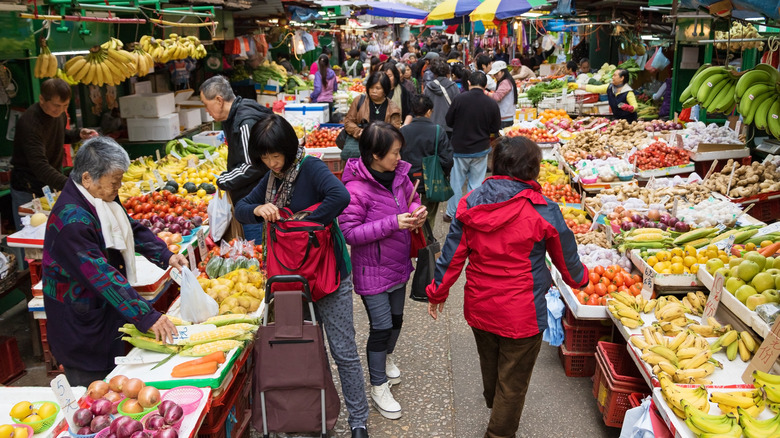
Tomatoes are actually just one piece of China's vast food puzzle — far beyond simply growing tomatoes, the country's grip on the global food scene is enormous and full of unexpected examples of abundance. For example, did you know that China also has the second most McDonald's locations outside of the USA?
However, behind this abundance lies a sad contradiction because, despite producing staggering amounts of food, China is also the country that wastes the most food annually. Millions of tons end up discarded each year, often due to inefficiencies or overconsumption, and this issue mirrors a much larger global pattern in which we have food, but much of it gets tossed due to poor distribution and waste management.
So, what do tomatoes, McDonald's and wasted food have in common? Well, they're all threads in the same story — China's relationship with food is a story of extremes, with the most production, the most waste and the most mouths to feed. Whether that balance ever evens out remains to be seen, but one thing's clear — the future of global food is being written (and eaten) in China.