

The Science Behind Why Chocolate Tastes So Good To Humans
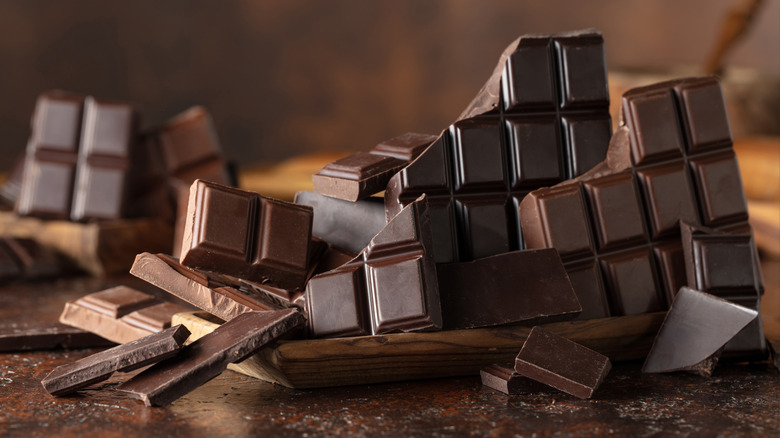
Whether you're a chocolate purist who covets only the best award-winning dark chocolate in the world or can easily find your favorite candy bar at the gas station, it's safe to say humans are completely chocolate-obsessed — and we have been for centuries. Indigenous peoples from Mexico to the tip of South America famously harvested and processed cocoa beans into a sacred drink called cacao that they offered to their gods and imbibed during important ceremonies.
Thousands of years later, sweet, sweet bars of it are available in every grocery store alongside cocoa powder that may or may not be of the highest quality. While it's safe to say chocolate has remained beloved by humans, the big question here is why. After all, raw cocoa beans are bitter with a fruity astringency and very little sweetness, and turning them into our beloved chocolate is a time-consuming and labor-intensive process. So, what is it exactly about this treat that makes all that work worth the effort?
The answer is basically complexity plus pleasure. As cocoa beans are fermented, the oxidation process often softens the bitter notes we don't like while enhancing the sweeter notes humans tend to enjoy. This process also helps develop chocolate's signature aroma, and determines how complex the chocolate's final flavors are, with more complex flavors being attributed to high-quality chocolate. Essentially, we love chocolate because it engages multiple senses at once in ways we typically find enjoyable, creating a deeply soothing and satisfying experience.
It's all about those microbes
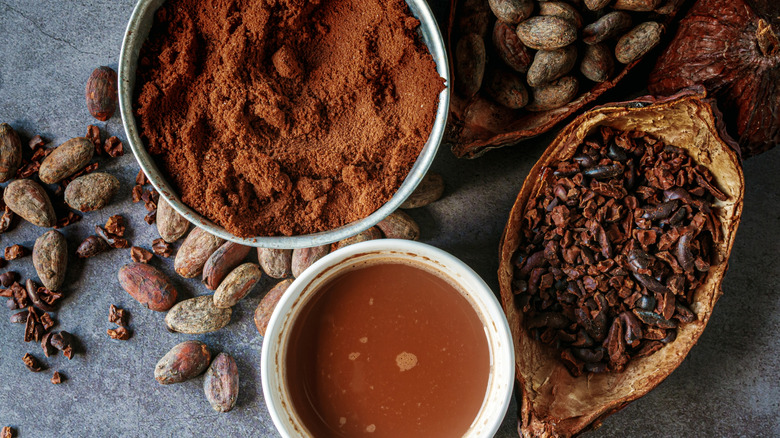
Though it may be fairly easy to determine why we love chocolate — it hits all the right sensory pleasure points — there's still the question of how this happens during fermentation. Most fermented foods, like soy sauce and sauerkraut, develop a distinctive sharp acidity. While this flavor can be present in chocolate, it's usually a background note, not a main flavor. Instead, good-quality chocolate is characterized by a fruity sweetness layered against toasted nutty flavors with a gentle earthiness that brings everything together.
The key phrase here is "good quality." Everyone knows that store-bought chocolate bars vary widely in quality, with some having that perfect balance of flavors, while others are simply too bitter or, even worse, bland. The trick, food scientists have discovered, is to inoculate fermenting cocoa beans with the right types of microbes. The Nature Microbiology journal published a study in August 2025 in which scientists isolated a specific combination of bacteria and fungi that were present in batches of beans that had produced some of the best-tasting chocolate.
The team successfully fermented a batch of beans with these microbes that produced delicious chocolate with a delightfully balanced, sweet earthiness, proving that specific combinations of microbes are the key to creating chocolate everyone loves. While different types of beans will still produce slightly different kinds of chocolate, understanding microbes' role in developing the best flavors means we'll likely have more consistently high-quality treats pleasing to human senses as the future unfolds.