

The 'Pecan Capital Of The World' Is In This Small Southern Town That Holds A Huge Legacy
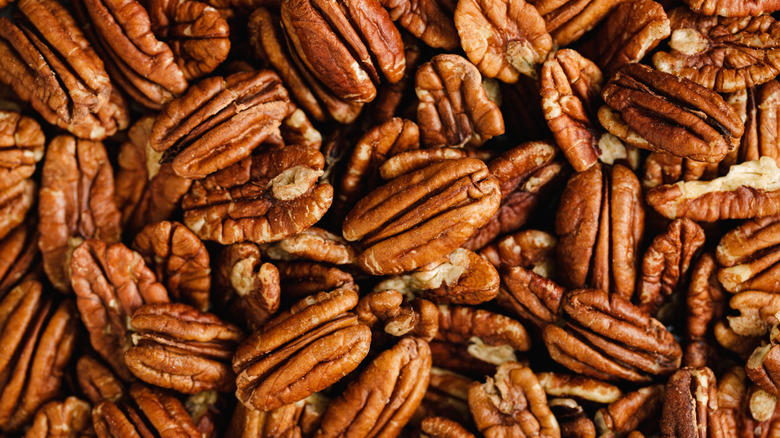
There are towns that build skyscrapers, and there are towns that build legacies from the ground up (literally). San Saba, Texas, planted its roots firmly in the latter. Tucked into the Hill Country, this modest town of about 3,000 people has an outsized claim to fame: It calls itself the "Pecan Capital of the World." Unlike some small town slogans, this one is more than just marketing. The region remains a powerhouse for pecan production and research today.
It started with one man and one tree. In the 19th century, horticulturist Edmund E. Risien became obsessed with improving wild pecans growing along the San Saba River. He grafted and cultivated trees that produced larger, sweeter nuts, setting off a revolution that forever changed the local economy. His legacy lives on through the famed "Mother Pecan Tree," still standing as a living relic of innovation and passion for planting.
Today, pecan orchards stretch across the San Saba landscape like orderly green cathedrals. These harvests fill the shelves of family-run stores, from Millican Pecan Company to Alamo Pecan & Coffee Co., where you can find crisp and sweet pralines. From Ree Drummond's perfect pecan pies that glisten on diner counters to delicious butter pecan cookies and brittle snapped beside steaming cups of coffee, the nut has found its way into nearly every plate and pastry. No one minds eating them directly either. Just oven roast them for toasty perfection.
San Saba takes pride in its pecans
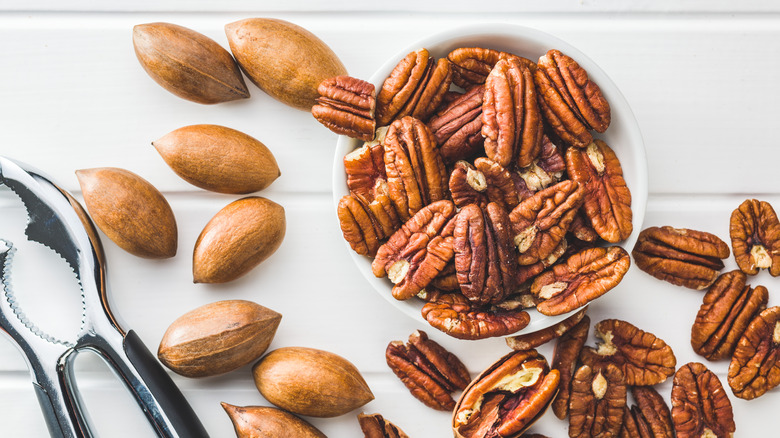
The magic of San Saba is not just in its trees but in its rhythm. Harvest season hums with tractors, shaking branches, and the faint crunch of shells underfoot. The pecans that drop here are not just crops — they are currency, identity, and history rolled into one. The region's unique blend of fertile river soil and mild winters creates an ideal microclimate for pecan trees to thrive. Thanks to Risien's work, San Saba became the birthplace of commercial pecan farming, with varieties such as the San Saba Improved and Western Schley now grown across the South. Each nut carries a whisper of that Texas grit — buttery, sweet, and slightly wild.
Yet the town's relationship with pecans runs deeper than commerce. The century-old orchards are now as much cultural heritage as they are agricultural land. Generations of families have harvested from the same groves, turning the work into a timeless tradition. Even new cafés and bakeries treat pecans with reverence, folding them into pastries, coffee, and brittle that taste like home. It is fitting then that this little town, built on slow growth and deep roots, produces a nut that embodies the same.