

Can Growing A Vegetable Garden Actually Save You Money?
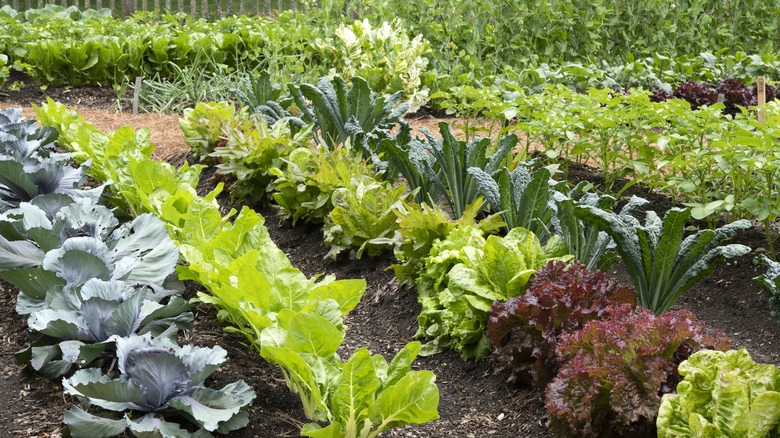
In an age of rising grocery prices, your thoughts might turn to gardening as a potential money-saving hobby. But there are some important things to keep in mind before you go all-out on raised garden beds and specialty tools. Lara Hermanson, a licensed landscape contractor as well as principal and co-founder of Farmscape, exclusively spoke with Chowhound to help beginner gardeners realize their goal of stretching a tight grocery budget with the aid of homegrown produce.
First, a garden isn't a guaranteed money-saver. "It depends on how it's planned and maintained," Hermanson explains. "If you're growing things you love to cook with and you're harvesting often, you'll absolutely see value. But if you invest a lot upfront in infrastructure or grow crops that don't suit your space or climate, you probably won't see much of a financial return." She recommends first thinking about what you love to eat and use regularly. If it grows well in your home climate, that's a great place to begin.
Another consideration is how much space plants take up in the garden as compared to how much they produce. "Fast-growing, high-yield vegetables like lettuce, kale, herbs, and zucchini tend to give you the best return per square foot," says Hermanson. "On the other hand, crops that take up a lot of space and offer just one harvest, like broccoli or cabbage, aren't as cost-effective in small gardens." Some crops, like strawberries and artichokes, she says, come back every year, meaning you don't have to reinvest in them every season.
Additional considerations: soil, schedule, savings
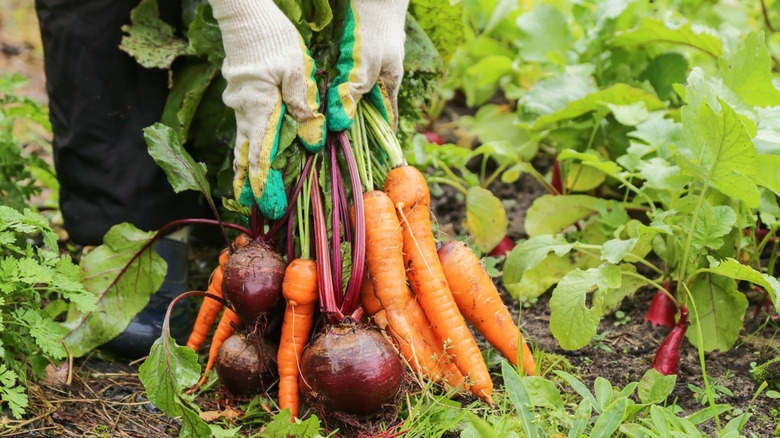
Selecting the right plants is paramount, but it's not the only consideration. Another big one is soil health — and no, you can't just use dirt from your backyard. "Take care of your soil," says Lara Hermanson. "It's the foundation of everything and your biggest investment. Composting and using mulch to retain moisture also help cut costs over time."
Continue maximizing your space by a thoughtful planting schedule. "At Farmscape, we also help clients look at how their beds can stay productive year-round, rotating crops to keep harvests steady," she says. Another vegetable gardening tip to remember if you want multiples of the same type of plant is to consider planting in succession. This allows the produce to ripen at different times. In addition to extending your growing season, it can help keep gardeners from becoming bored or overwhelmed by too much of a good thing. On a related note, while some plants may not be as efficient as others in terms of space and yield, they may still be worth it. "Alliums like onions and garlic are often cheaper to buy than grow, mostly because they grow slowly," she says. "But I'd argue that homegrown quality is so superior, it's not actually comparable!"
Finally, if you feel pressured to purchase pricey tools or premium raised beds, don't. "A good trowel, compost, and mulch will get you pretty far," says Hermanson. While it would be nice to have an automatic watering system, she says, it really isn't necessary for smaller gardens. A simple watering can or hose will suffice.