

7 Regional Steak Styles Everyone Needs To Try At Least Once
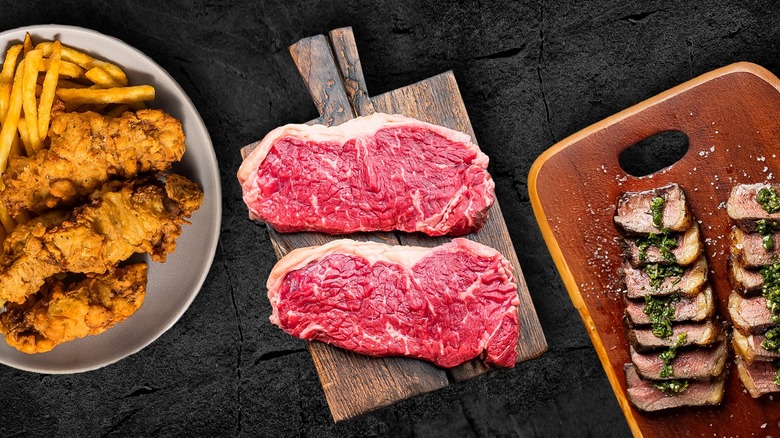
America's love affair with steak isn't one-dimensional — it's spread across the entirety of the country, from the beautiful shores of Hawaii to the windy streets of Chicago. Just about every region of the country has staked its claim with distinctive flavors, techniques, and traditions for just one dish: steak.
After years of working as a head chef in the American restaurant industry, I've come across plenty of regional dishes that deserve far more recognition than they get. Most restaurant menus nowadays are plagued with the same steak cuts that dominate the meat market and the industry, leaving little room for regional specialties and unique options. In order to preserve and keep alive our regional specialties that we have in our country, I encourage you to explore the unique steak style you might not encounter every day. From Kansas strip steaks to Idaho finger steaks, here are seven regional steak styles everyone needs to try at least once.
1. Kansas strip steak
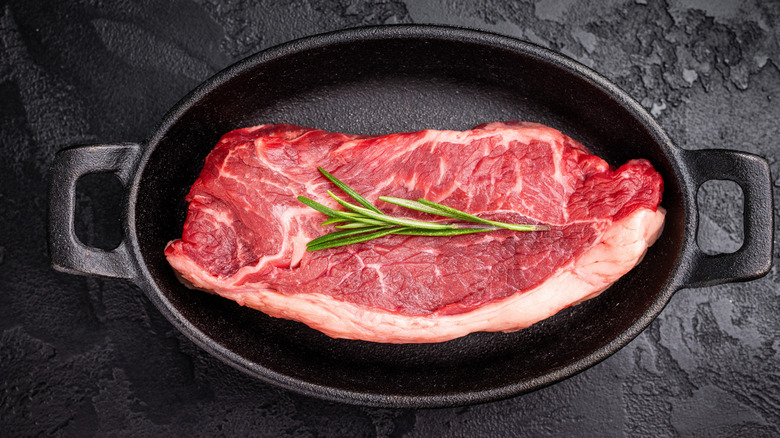
You've probably heard of New York strip steak, but have you heard of its Midwestern cousin, the Kansas strip steak? For those of you who don't know, the Kansas and the New York strip steak are the same cut of meat; however, the Kansas strip steak is served with a thicker portion of fat along the edge. This extra fat layer is left on the steak so it renders during the cooking process. Once the fat is slightly rendered, you can use it to baste the steak, adding a bit of extra juiciness and, most importantly, flavor.
This regional steak style is an American steakhouse staple. Beyond its larger fat cap, it can easily be recognized for its thick-cut (typically 1.5 to 2.5 inches) and beautiful fat marbling. Most Kansas strip steaks are often aged for 21-28 days deeper flavor, then seared to perfection with peppered crust.
2. Texas ribeye
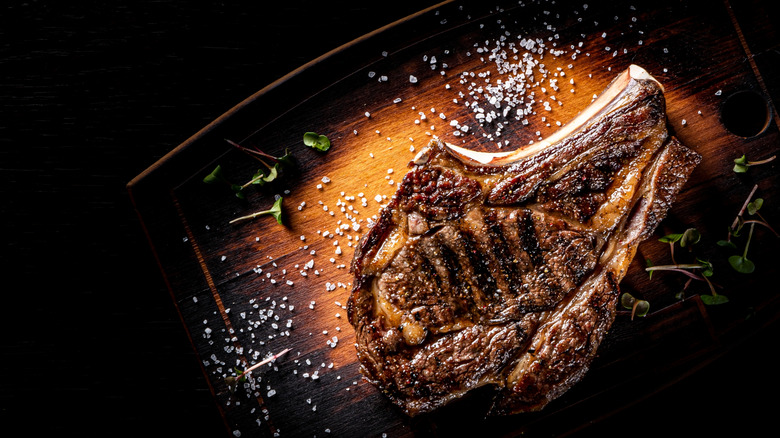
Out of all the steak cuts we have in the United States, the Texas ribeye takes the cake for being the most recognizable. This quality cut comes from the famous Texas Longhorn cow, which is widely known in the culinary world for its robust beefy flavor and good marbling. While preparation styles vary, it's often heavily seasoned with coarse sea salt, ground black pepper, and other spices such as chili powder, garlic salt, or dried herbs. It can also be seasoned with brown sugar to add a touch of sweetness that helps with caramelization and obtaining a crispy crust. The steak can be served with a compound butter or sliced veggies cooked fajita-style.
Oftentimes, chefs will grill it over mesquite or oak chips to give a smoky, charred flavor that will have any cowboy go in for second servings. The Texas ribeye should always be grilled to perfection over a very high, direct heat source such as a grill or a cast-iron skillet.
3. Chicago porterhouse
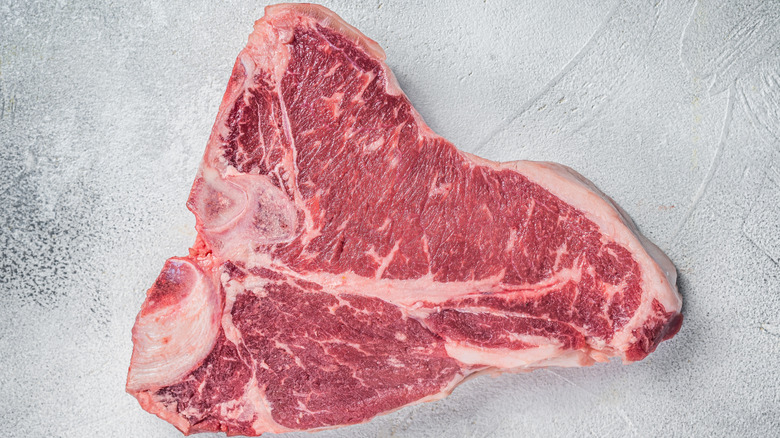
The Windy City is known for a lot of treasured culinary creations, including Chicago-style deep-dish pizza and hot dogs. However, Chicago's legendary, old-school steakhouse serves a dish that many outsiders don't know about: a massive dry-aged porterhouse that combines New York strip steak and tenderloin, separated by a "T" shaped bone. Known for its distinctive char-crusted exterior and hefty serving, this regional steak style is a staple throughout the city, and continues to draw steak enthusiasts from across the nation.
The steaks are cooked with a high-heat broiling technique that involves charring the exterior of the steak and finishing it in the oven to the desired internal doneness. The char adds layers of flavor to the steak, from notes of bitterness to smokiness, which makes each bite even more memorable. It's often finished in a cast-iron skillet, then basted in butter, herbs, and garlic to give a delicious, rich, and savory flavor.
4. Montana cowboy steak
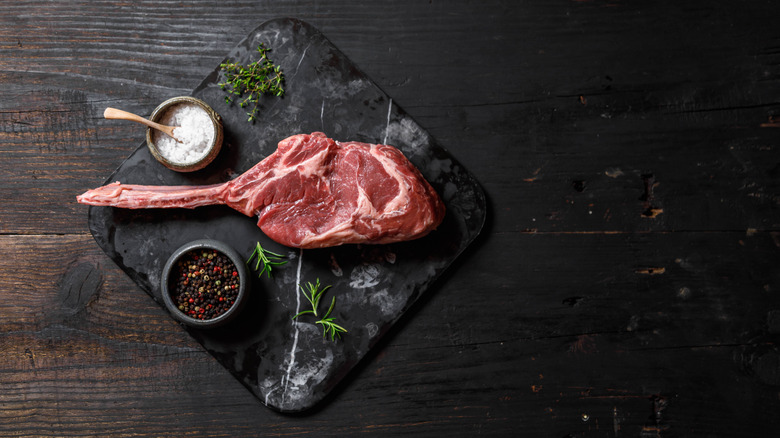
The Montana cowboy steak, also referred to as the cowboy cut, is a thick bone-in ribeye where the bone has been "Frenched". For those of you who don't know, a Frenched bone means that the meat and the fat are cleaned from the bone for a dramatic presentation. It's similar to a tomahawk steak; however, it has a much shorter Frenched bone compared to the tomahawk's dramatic bone that extends several inches above the meat. This makes the steak a bit more versatile since it's much easier to serve and can be cooked in grilled, pan-seared, or roasted — although most steak connoisseurs prefer to grill it over an open flame.
Seasoned with nothing more than coarse sea salt and freshly cracked black pepper, the cowboy steak doesn't need much. Its abundant marbling and thick fat cap provide a lovely buttery, rich flavor that will make any mouth water.
5. Idaho finger steaks
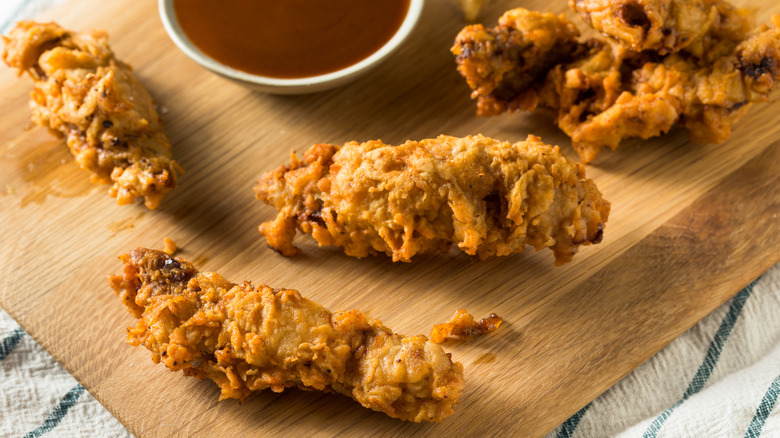
Another regional steak style that's worth seeking out is Idaho finger steaks. If you haven't had the pleasure of eating them before, they are simply beef that's been sliced into finger-length strips, lightly battered, and deep-fried until golden brown, resulting in a crispy exterior and tender interior that sets this dish apart. It's typically served with a mound of crispy French fries and a dipping sauce such as ranch dressing, BBQ sauce, or ketchup.
According to the Idaho Beef Council, it was created by U.S. Forest Service chef Mylo Bybee, who sought to use every trimming and leftover scrap of beef, creating this legendary steak style. In the 1950s, he started serving it at his restaurant in Boise called Mylo's Torch Lounge, and it instantly became a hit. Ever since then, Idaho finger steaks have been a treasured dish from the Gem State and have gained recognition far beyond the state's borders.
6. Santa Maria tri-tip
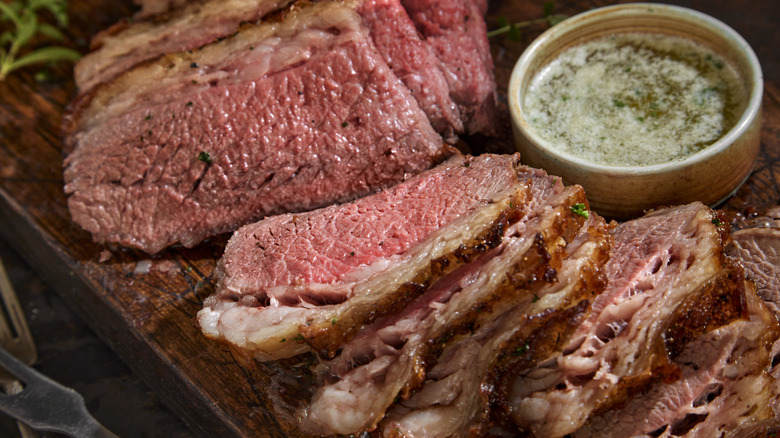
Born in the valleys of the central coast in California, the Santa Maria tri-tip is a lean cut from the bottom of the sirloin, prepared in BBQ-style that is native to the region. The steak is typically seasoned with coarse sea salt, ground black pepper, and garlic salt. Without the distraction from a marinade or rich sauce, this straightforward preparation allows the quality of the meat to shine through.
Traditionally, the tri-tip is cooked over an open fire, red oak wood on a Santa Maria-style grill. This unique grill features an adjustable grate that can be raised and lowered with a hand crank to allow for better control of the heat. The seasoned tri-tip is seared on both sides for 5 minutes to obtain a crispy crust, then the grate is raised to move the meat to indirect heat. The tri-tip is then slow-cooked and flipped frequently to achieve a perfectly cooked interior. Due to the meat's long, tough muscle fibers, it is sliced against the grain so it is easier to chew, resulting in a scrumptious, tender texture.
7. Hawaiian teriyaki steaks
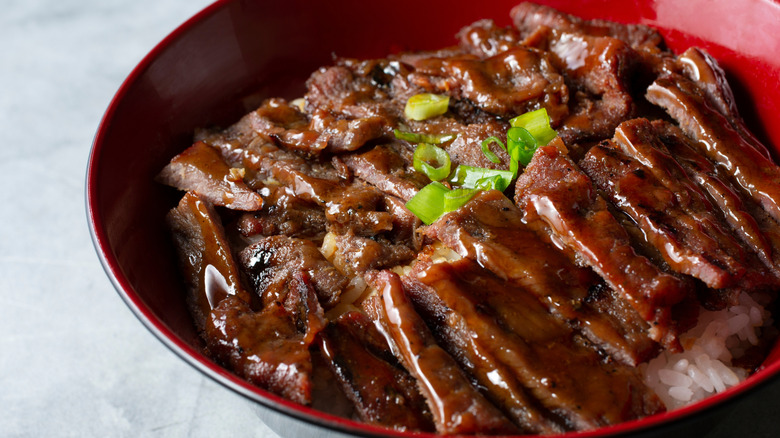
Another classic regional steak style that everyone needs to try is Hawaiian teriyaki steaks. The islands put an Asian-Pacific spin on beef with teriyaki-marinated steaks served over a bed of fluffy white rice, pickled ginger, and creamy macaroni salad. Now, the type of steak isn't where this dish shines through — it's the marinade.
The marinade typically contains a mixture of soy sauce, sesame oil, ginger, garlic, scallions, brown sugar, and pineapple chunks or juice. The pineapple is the signature ingredient in this dish, giving it a delicious tropical sweetness and tenderizing the meat. The type of steak used can vary, but it's often made with skirt, sirloin, ribeye, or flank that's pan-seared or grilled and sliced into thick strips. Like many modern Hawaiian dishes, teriyaki steaks showcase the islands' pattern of fusing together ingredients and culinary traditions from Japan and the mainland U.S., creating Hawaii's unique culinary identity.