

10 Red Flags At A Coffee Shop That Should Send You Running
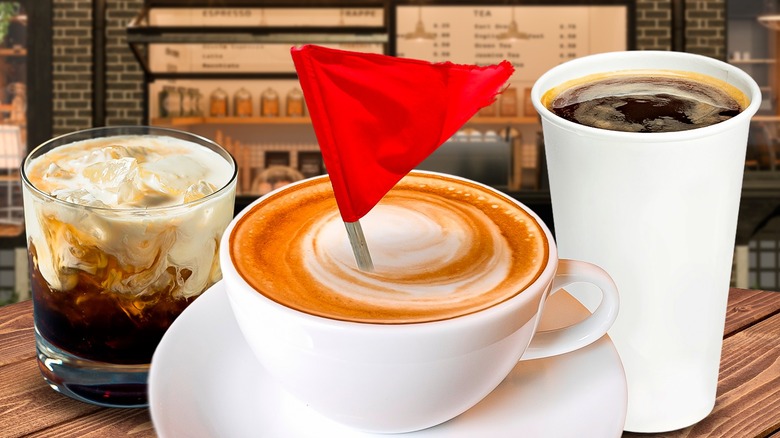
As a remote worker and former college student, I've spent a fair amount of time in coffee shops. Whether it's trying to finish an assignment in between classes or appointments, catching up with friends in a cozy chair with an equally cozy winter beverage, or grabbing a drink on my way somewhere else, I can appreciate the ambiance, vibe, and beverages that a high-quality coffee shop can offer. I say "high-quality" for a reason, as I have arguably spent as much time in great coffee shops as I have in not-so-great ones.
There are some things that make a coffee shop "bad," including poor cleaning and sanitizing protocols, incorrectly made drinks, and an unwelcoming environment. You can usually tell a coffee shop is a bad one before you get your drink, too. Low-quality coffee shops tend to throw up numerous red flags well before your coffee arrives that can signal to you that you're getting a less-than-optimal cup. Here's what to be on the lookout for if you're visiting a new coffee shop and trying to decide whether it's worth buying that overpriced latte or not.
1. No coffee grinders in sight
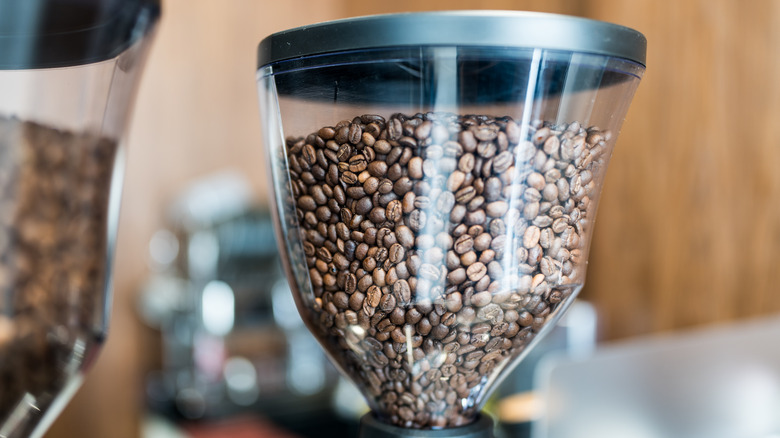
You're ordering from a coffee shop, so your primary concern should be walking away with a well-made, tasty beverage in hand. If your coffee shop isn't grinding its own beans in-house and is instead relying on pre-grounds, you may have a problem on your hands.
The freshness of your beans is critical for all coffee beverages, regardless of whether it's a drip coffee or a fancy latte. Coffee contains many volatile organic compounds that contribute to the aroma and flavor. When you grind the coffee, you increase the surface area, which in turn speeds up the release of these flavorful and aromatic compounds. That's to say that pre-ground coffee isn't necessarily spoiled coffee; it just means you won't be getting the highest-quality cup, the best aroma, or the top-notch crema from your espresso. Besides looking for a grinder, you may also want to pay attention to the amount of beans in the grinder itself. Baristas should be constantly refilling the hopper with fresh beans and cleaning up any oily residue. If you notice that the hopper is packed to the brim when you get your mid-afternoon pick-me-up, you may want to consider visiting a different shop.
You should be able to see (and hear) the coffee grinders at your shop. If possible, you should visit a coffee shop that regularly sources from a local roaster (or has its own roaster in-house). Coffee will also lose organic compounds after roasting, so getting a cup within the "sweet spot" of time between roasting and brewing is ideal.
2. Dirty equipment and machines
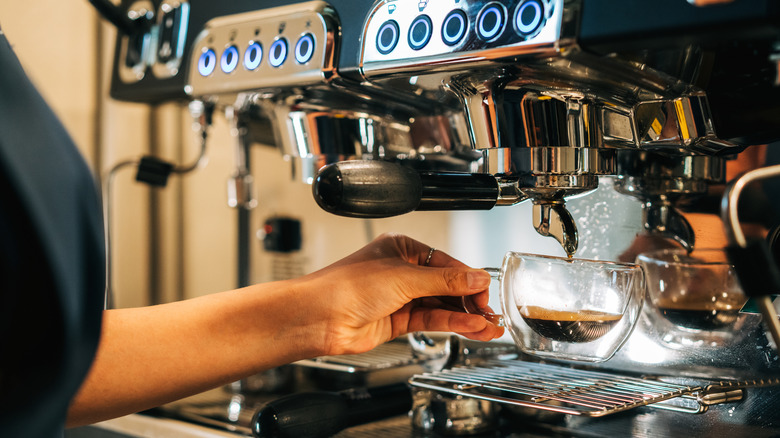
As someone who has worked in the service industry, I totally get it. When you're dealing with many customers at a time, working to get mobile orders completed, and still trying to keep your space somewhat organized, cleaning is usually the first task to fall to the wayside. But if you walk into a coffee shop and notice that the coffee machines are grimy and covered with caked-on, burnt-on beans, and there is spilled milk all over the prep counter, you may have a problem on your hands.
Anyone who has ground their own beans and made their own cup of coffee at home knows that the grounds have a way of getting everywhere and sticking to everything. The last thing you want is to get a sip full of grounds from the side of your coffee or have a filthy mug handed to you during a rush. If you're noticing that the baristas aren't cleaning up their stations after each brew and aren't doing small tasks like wiping or rinsing out the portafilter, cleaning up spills, and rinsing the milk jug in between steaming, you may want to consider visiting a different coffee shop. As a customer, don't expect an entirely sterile environment, but you should be able to rest assured that your baristas are following cleaning protocols and ensuring each cup is at its best when it's handed to you.
3. Incorrect descriptions of beverages
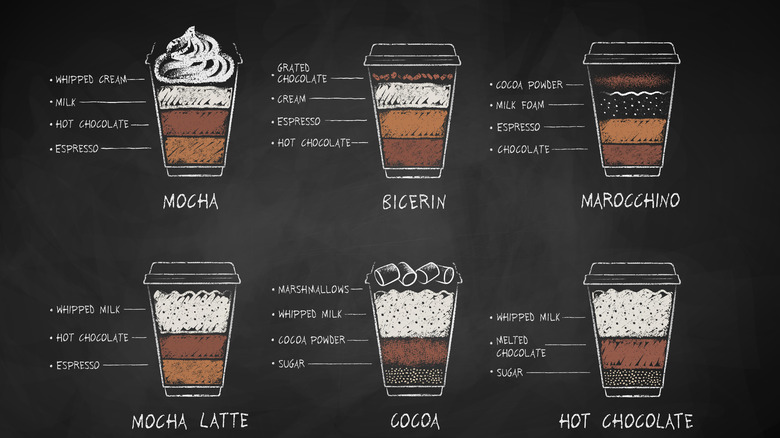
You might be a little freaked out when the macchiato you order at a high-quality coffee shop doesn't come in a grande-sized cup, like what you'd expect at your local Starbucks (the latter of which isn't technically a "real" macchiato). A coffee shop — at least a good one — should be paying attention to the sizes and composition of its coffees to ensure that they match the beverages' respective definitions. For example, a macchiato is an espresso-sized drink made with a single shot and the teensiest amount of milk. This differs from a cappuccino, which has a much thicker layer of foam and steamed milk, and a latte, which has an even greater proportion of steamed milk and less froth. If your coffee comes out in the wrong-sized cup — and not just because the barista hears "small" instead of "medium" — you may want to try a different spot.
As a customer, you shouldn't be expected to memorize the minute differences between different types of coffee beverages. If you are unsure about what you're ordering, always ask your barista, or see if the shop has a display with the different ratios. And if your barista is left just as confused as you are, then you may have an even bigger problem on your hands.
4. Milk is stored out on the counter
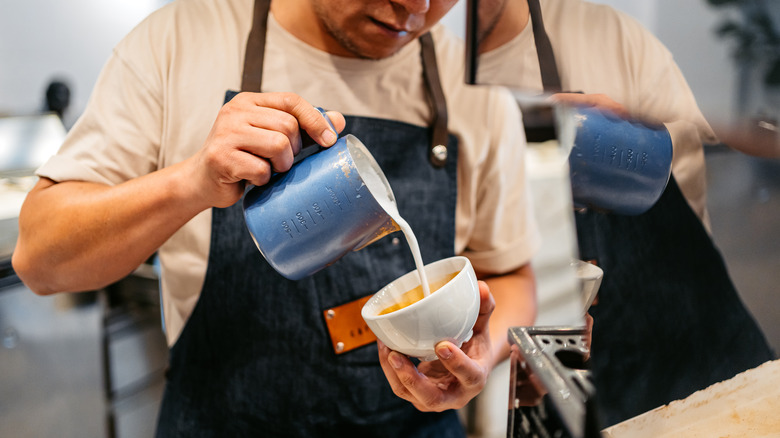
The morning rush can be a busy time for your local baristas. There's a line out the door, and everyone is playing a game of hot potato passing around the regular milk, oat milk, and whatever creamers are on standby. But any perishable ingredients should always make their way back into the beverage fridge, as leaving them out on the counter can cause them to spoil and potentially make customers sick.
It doesn't take long for milk to curdle or pose a food-safety risk to unsuspecting customers. Two hours is the general threshold for milk, though if it's placed next to a hot espresso machine, this window may be even smaller. Moreover, you should also never go to a shop that steams multiple servings of milk at a time, rather than making the beverages to order. You don't want to be the unlucky person who either gets a sadder-than-normal foam on their cappuccino or potentially gets sick because the warmed milk was left in the hot milk jug.
Your baristas should also be committed to food safety when it comes to the condiment and customization bar. While it's reasonable to leave milk on the counter for folks to add to their drip and iced coffees, it should be in an insulated container or kept over ice to ensure it stays fresh and safe to consume.
5. Uninformed or unaware staff members
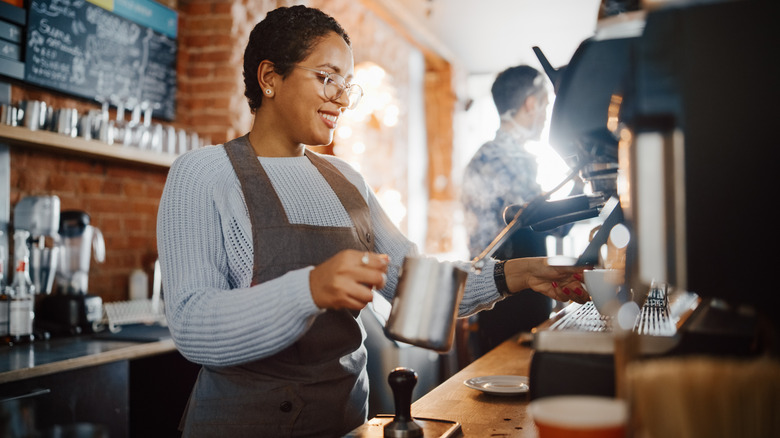
If you haven't figured it out, service industry work is hard, and there can be a lot to focus on all at once — like taking orders, cleaning your coffee station, and appeasing the guy who asked for extra sugar three times already. It can be a lot. But that doesn't mean that as a customer, you should feel forgotten about or pushed to the wayside. You should be able to order confidently and have all of your needs met when you visit. If you walk through the doors and the baristas run away like they've seen a ghost, you might have chosen the wrong coffee shop. Trying to place an order? There should be someone nearby to answer your questions and help you decide on something, rather than focusing all their efforts on cleaning a particularly dirty spot on the counter.
Besides being aware, your baristas should also be knowledgeable about the products they're selling. Not every barista is going to be a coffee snob and know the exact farm where every single-origin coffee was sourced from, but they should still know enough about the beans and brews to show you that they do in fact work there. They should also be able to direct you to allergen-friendly options on the menu, should you require it.
6. Dirty or sticky tables
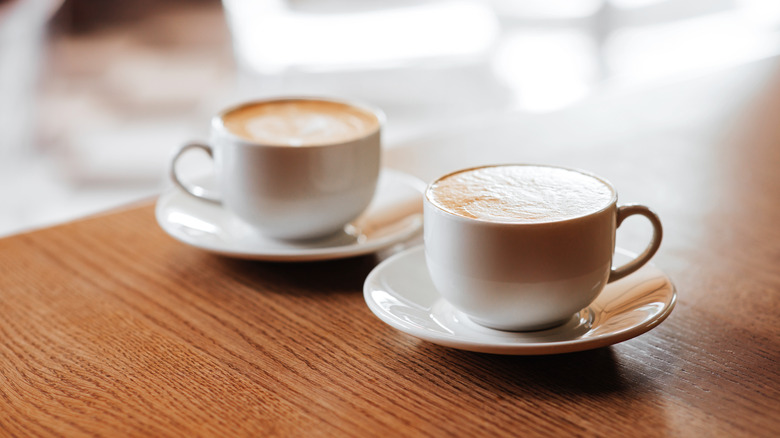
Visiting a coffee shop is just as much about the experience of sipping on a coffee as it is cozying up with your favorite book or catching up with friends. If tables are dirty or covered in food or coffee splatter, you may want to take your drink to-go and make a mental note of which coffee shop not to visit. Should your baristas be waiting on you hand and foot, following you around like a dog with a vacuum cleaner in hand waiting to clean up your spills and crumbs? Of course not. But there should be some sort of cleaning and sanitizing routine in place to keep the space looking fresh and inviting.
That being said, you should be doing your due diligence as a customer to clean up your plates, throw away your coffee cups, and keep your space tripping-hazard free. Not only does this make it easier on your baristas, but it can also make the space appear more welcoming to other customers. Spills happen, so always inform a barista if you accidentally leave a mess behind at your table so that it can be taken care of promptly.
7. The feeling of being 'watched' as you're working

This one might be a little bit of a sensitive subject for the work-from-home folks among us. Coffee shops are excellent spots to get deep into an assignment, finish expense reports, and edit content because of how cozy they are and how much a simple cup of coffee can help with the pursuit of tackling your to-do list. If you feel like you're constantly being watched by baristas or café staff, who are waiting for you to either leave or order another beverage, it can really put a damper on your productivity. The staff at a good coffee shop shouldn't make you feel like you're overstaying your welcome just by sitting there.
However, there are caveats to this, especially from the patron's end. The iron-clad rule when working at a coffee shop is to spend enough money to justify the time you spend occupying a table. The shop has to pay to keep the lights on and wi-fi running, and you could be taking up a table from a party who would otherwise be spending a whole lot more on drinks or food. This is one occasion where I would recommend reading the room. If the café is jam-packed with people and there is no room to sit, don't be the person that takes up a table and camps out the whole day. Order something every couple of hours and tip your baristas well.
8. Long waits with few customers

Coffee shops have to be somewhat efficient in order to keep people moving through the door. If you visit a coffee shop and notice that there is a long wait for beverages, but very few customers, it could indicate a few possible scenarios. The first is that the coffee shop is understaffed (which, in a post-pandemic era, is just something we all have to get used to). Or it could be that the café is not running as well as it should. There should be some sort of system in place to ensure that orders get taken correctly, prepared correctly, and served before the espresso has a chance to go stale. You don't want your order to be forgotten about, or worse, made incorrectly, so you may want to visit a different shop if this continues to be an issue.
As a customer, though, there needs to be some degree of understanding. If your café is training new staff, you may have to be a little more patient with the ordering process, or if you notice that baristas are running behind, you may want to give them a little bit of leeway.
9. Screaming steam wands
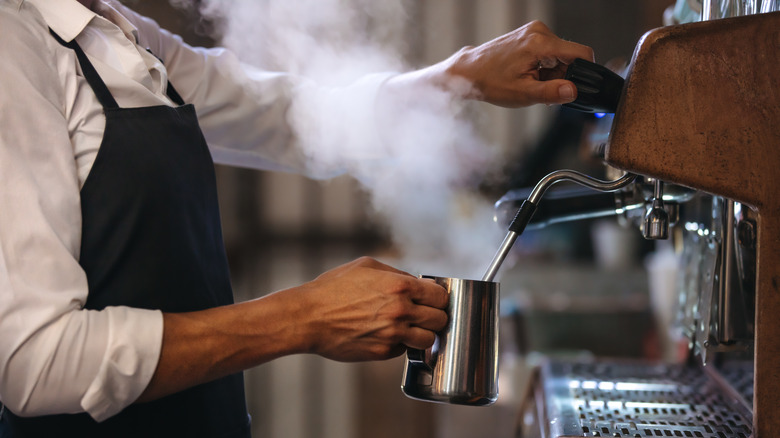
Your senses can tell you a lot about a coffee shop. If you're noticing a blood-curdling scream emanating from the milk steamers, you may want to just order a drip coffee ... to go.
Milk that is being steamed at the incorrect angle or position will give off a very unique and loud sound — likely because the wand isn't pulling in enough air. It may be set too deep in the jug, there may not be enough milk in the jug to begin with, or your barista may be using old milk, which can lead to a burnt taste. Any home barista will tell you that getting the right angle for your steam wand is all about practice — which is something that an experienced barista should be able to do without issue. If you can't hear the barista over the sound of the screaming, it may be a sign that the shop is manned by inexperienced staff or you're being set up for a less-than-optimal brew with a poorly textured foam.
10. An overly complicated menu
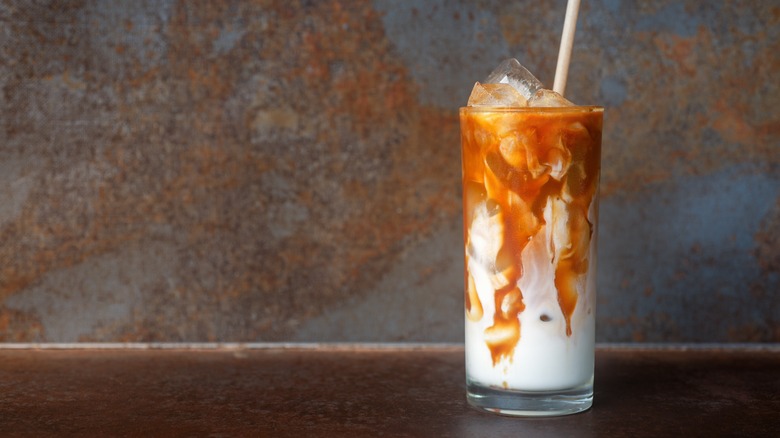
I feel the same way about coffee shops that boast a whimsical and wonderful list of 300 different coffee drinks and flavorings as I do restaurants that boast a six-page menu. If there are that many things on the menu, chances are that the café is not committed to the basics of making a good coffee. After all, if you're downing a s'mores-hazelnut-white-chocolate iced coffee, chances are that you aren't noticing how lackluster the beans are and how watery the coffee underneath tastes. Plus, I go to coffee shops for just that — the coffee — since I can buy any number of coffee syrups and make my own Starbucks knock-off drink at home.
When I go to a coffee shop for the first time, my go-to order is a cappuccino. I like cappuccinos, sure, but I also think that it's an excellent beverage to judge a café on — similar to how a cheese pizza is my go-to when assessing a pizzeria. With a cappuccino, I look for a good ratio of foam to milk, fresh espresso flavor, and temperature. If I know the shop can do a basic cappuccino justice, then I might order something a little more fun the next time.