

The Old School Coffee Maker Grandma Swore By Has A Hidden Flaw
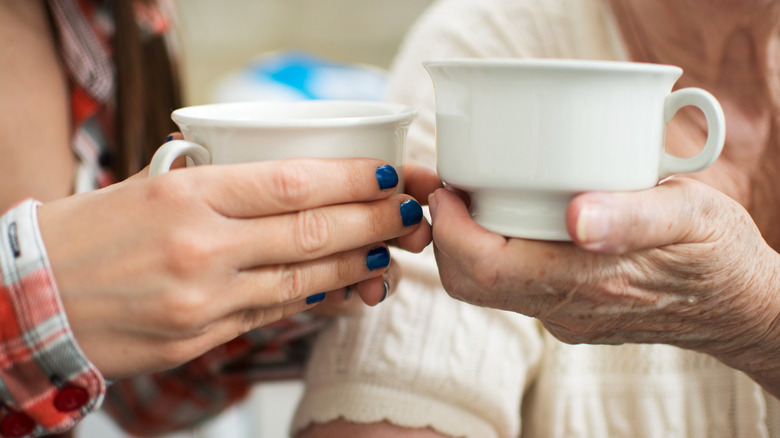
There's just something about hearing a percolator bubbling that suddenly makes you feel as if you're 10 years old in your grandma's house again — that cheap and simple approach to coffee-making worked so well to gather the family together over the kitchen table. And there are many benefits to brewing coffee how grandma did, which is good news to anyone too short on space for a proper espresso machine.
Matt Woodburn-Simmonds, a coffee expert (and former barista) from Home Coffee Expert, exclusively told Chowhound that percolators are so good because "they're a really easy way to make a lot of coffee in one go," which is exactly what our grandparents would have been looking for. All they needed to brew up cups is some heat and patience, but this old school charm does have one pretty big flaw and that's how the coffee itself turns out. By design, a percolator sends boiling water through the same grounds again and again, turning them very bitter in the process. As Woodburn-Simmonds explained, "This almost always leads to very strong, but very bitter and over-extracted coffee." Even perfectly roasted beans from the best coffee bean brands don't stand a chance in that environment.
Why percolator coffee tastes burnt and what to do about it
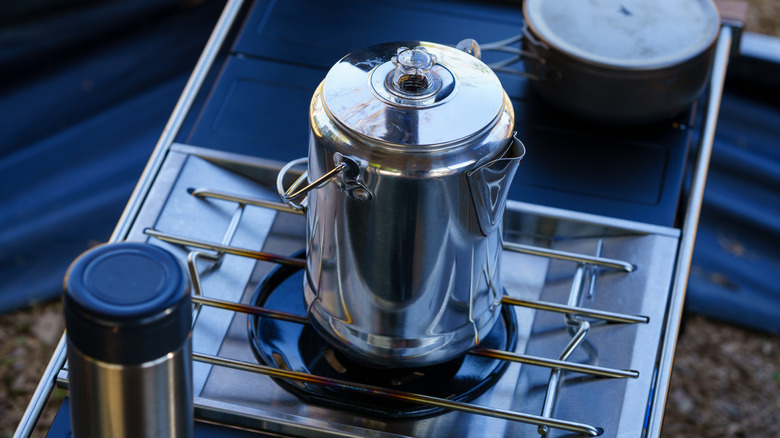
If you love percolators, you aren't wrong. You may just enjoy the ritual or even be habituated to the taste. Maybe you enjoy that sort of "sitting around the campfire" effect, but really that just comes down to the fact that it's been exposed to too much heat and is a little burnt. Think of it like the coffee version of overcooked pasta –- yes, it's technically done and definitely edible, but it's not spaghetti at it's best.
Matt Woodburn-Simmonds had a couple of solutions to fix this issue if you're holding onto your percolator for dear life. "Grind [the beans at] French press grind or coarser and brew for maybe half the recommended time," he advised. A reduction in brewing time could be enough to take your percolator coffee from scorched and flat to smooth and drinkable. It's also good practice to pull the pot off the heat immediately once you hear "the perk" (that spluttering noise that tells you coffee is on its way).
If you are ready to trade in that nostalgia for some seriously good coffee, check out some of the best coffee makers on the market. But if you insist on staying loyal to grandma's favorite, that's fine too. Just keep one eye on the stove and don't let it go through too many cycles because the line between enjoyable and too bitter is much thinner than it may seem.