

8 Dollar Tree Grocery Shopping Tips And Tricks You Need To Know
Whether you're a longtime Dollar Tree shopper or just popping in to check out the store for the first time, there's a chance you'll find yourself wondering how everything in your cart somehow adds up to more than a few bucks. What was once a true dollar store now features a range of price points, typically starting around $1.25. With this recent change, it's not uncommon for shoppers to go in and quickly spend more than planned.
Still, even with the price increase, Dollar Tree remains a go-to for budget-conscious shoppers and deal hunters alike. These days, prices vary, stock can be limited, not all "deals" are automatically a bargain, and not every location carries the same items. But savvy shoppers can still get some great steals if they know what to look for. Here are a few helpful tips to keep in mind before your next trip to Dollar Tree.
1. Know that nearly everything costs more than $1
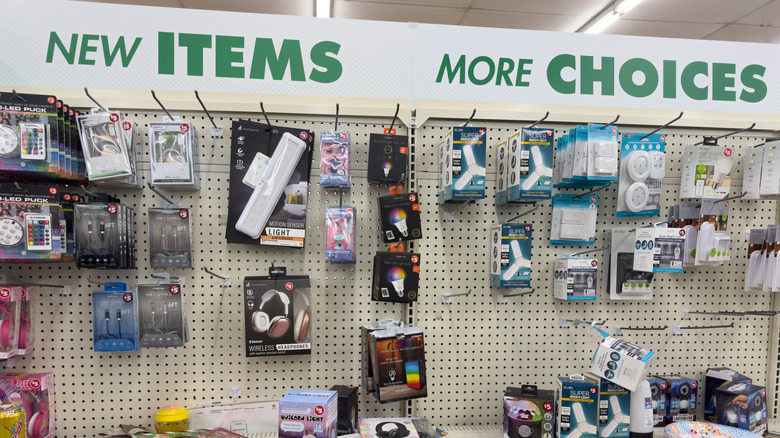
Dollar Tree used to confidently advertise that every single one of its items was only $1, but prices have crept up in recent years. Nowadays, prices start at $1.25 for these same items, though you'll likely see many products in the $1.50 to $1.75 range. Many items are tagged with red dot stickers that indicate an item is more than $1.25, though the price may not always be clearly marked. The only items that seem to be excluded from this store-wide price bump are certain greeting cards, many of which are still two for $1.
In addition to the basic price increases, the chain has also expanded its offerings, now selling a wider range of products under its "more choices" line for anywhere from $3 and up. These products are often comparable to items you could purchase at stores like Family Dollar or Five Below. Regardless, you can still get some good finds on items like kitchen essentials, décor, food, and more — and even manage to make a dollar (okay, $1.25) stretch. The biggest takeaway here is to know what's still worth buying and what's better purchased elsewhere, so your quick trip for dish soap doesn't turn into an unexpected $40 shopping haul.
2. Compare prices across multiple stores

It's easy to assume that anything sold at a dollar store must automatically be a good deal, but that's not always the case. In fact, there are some items at Dollar Tree you should avoid buying, as they actually cost more per ounce or unit than similar items at big-box stores or your local grocery chain. The key to spotting a good deal at any store is learning how to read unit price tags — that little number on store shelves that breaks down cost per ounce, pound, or count — or just doing the math yourself.
For example, a $1.25 bottle of dish soap might seem like a bargain until you realize it's half the size of the $2.00 bottle from Walmart. In this instance, once you do the math, you'll see you're actually paying more per ounce at Dollar Tree. The same logic goes for snacks, condiments, cleaning supplies, and more. When it comes to categories where size and concentration can vary a lot between brands, it's worth taking a few extra moments to determine whether or not you're really getting a deal.
It's also a good idea to remember that not all dollar stores offer the same deals. Competitors like Family Dollar and Dollar General sometimes have better per-unit prices or different deals altogether, so it's worth comparing. Most stores list product prices in their apps, so you can compare pricing across a few of your local stores without having to hop across town to check in person.
3. Shop online for bulk purchases
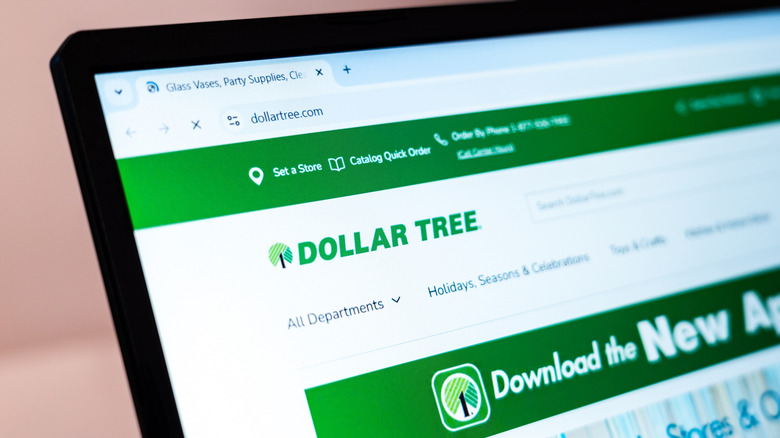
If you've ever had to visit three Dollar Tree locations just to find enough of something — say, 20 matching mugs for a DIY party favor — you'll appreciate this next tip: Shop online! Dollar Tree's website lets you order most items in bulk, which is a game-changer if you're planning an event, stocking up on craft supplies, or purchasing for an entire classroom. It's a great way to browse calmly without the chaos of crowded aisles. You can even have your order shipped to your local store for free pickup, which is an easy way to skip shipping costs.
However, online ordering does come with one caveat: You'll typically have to buy by the case, not the piece. So if you only need one or two of an item, it's better to shop in person. But for items like party favors, teacher gifts, small business supplies, or seasonal décor, buying online saves time, gas money, and the frustration of coming up empty-handed at multiple stores. It also reduces the likelihood of you walking out of the store with 10 extra impulse buys (don't worry, we've all been there).
4. Know the best times to shop
Timing can make all the difference in your Dollar Tree shopping experience. If you've ever found the shelves picked over or the aisles jammed with carts, try adjusting when you go. Weekday mornings are usually the quietest time to shop. You'll have more elbow room, a better selection, and fewer lines.
And here's a pro tip: If you're looking for specific items, like newly stocked décor or seasonal finds, it pays to ask a sales associate when the store receives its weekly deliveries. Every location's schedule varies slightly, but most get at least one truck per week. Shopping in the morning after a delivery is your best shot at snagging what you're looking for before it sells out. Whether you're searching for new inventory or just running in for a few basics, going during off-peak hours can help make your trip faster and less stressful.
5. Pick up holiday clearance items for cheap
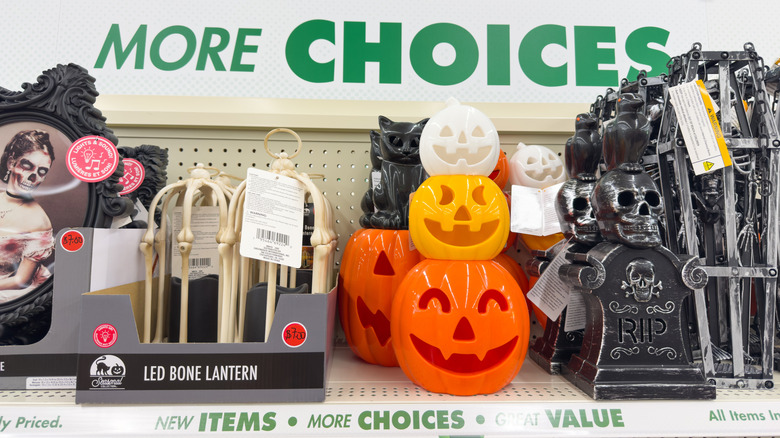
Dollar Tree doesn't waste time moving out holiday inventory, which means one thing for shoppers: discounts right after the festivities end! Stopping by your local store a day or two after a major holiday can lead to some of the best deals of the year. We're talking Christmas wrapping paper, Halloween party supplies, Valentine's Day décor, and more. Even though prices are already on the lower end to begin with, shopping for clearance items can make seasonal restocking incredibly affordable. If you have the storage space, these clearance windows are a great opportunity to think ahead.
My personal favorites to stock up on are discounted wrapping paper, gift boxes, and tape the week after Christmas (you'll thank yourself the following December). But because Dollar Tree turns its seasonal inventory quickly, these items don't last long once the markdowns hit. So if you spot something you might want for next year or are planning a post-holiday celebration, grab it while you can. And if you're really looking to stock up, it's also worth checking multiple stores. Some locations discount earlier or have slightly different inventory. Who knows, you may find even more great finds.
6. Check the expiration dates

Dollar Tree can be a surprisingly good spot to grab pantry basics, snacks, and even frozen foods, but when you're shopping through the aisles, it's always smart to check the expiration dates before tossing items into your cart. Most of what you'll find is well within its best-by window and perfectly fine to eat. But because Dollar Tree's food inventory comes from a mix of suppliers and may include closeout or overstock items, older stock can sometimes slip through. A quick glance at the best-by or sell-by date can help you avoid buying potentially spoiled goods, such as stale crackers or a can of soup that's been sitting out for a little too long.
The same goes for frozen or refrigerated items. Many stores now carry name-brand frozen foods, plant-based meals, and even dairy, but since storage and turnover can vary between locations, it never hurts to be on the safe side and double-check the label before heading to checkout. It's also worth noting that "best by" doesn't necessarily mean "bad after," as many foods are still fine shortly past that date. But if you're shopping for something you plan to store for a while, like snacks for lunch boxes or pantry staples for meal prep, fresher is always better.
7. Save some money with grocery rewards apps
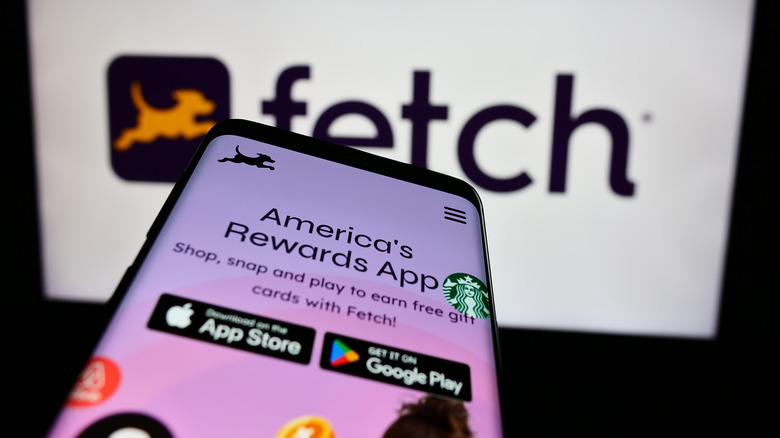
Even though Dollar Tree already offers low prices on many items, you can save even more by stacking your purchases with deals from cash-back apps like Fetch Rewards and Ibotta. Both apps occasionally list eligible Dollar Tree items (everything from snacks to cleaning supplies) and reward you with points or cash for uploading a photo of your receipt. It's an easy, low-effort way to stretch your savings a little further.
If you're new to these apps, getting started is simple. Download the app on your phone, scroll through savings-eligible items, make your purchases, snap a photo of your receipt, and watch your points add up. Fetch turns them into gift cards for many popular retailers, while Ibotta offers direct cash back. Either way, it's a great way to save a little extra. If you're a regular shopper, make a habit of scanning every receipt. It takes less than a minute, and the savings can add up fast.
8. Don't count on every Dollar Tree carrying the same items
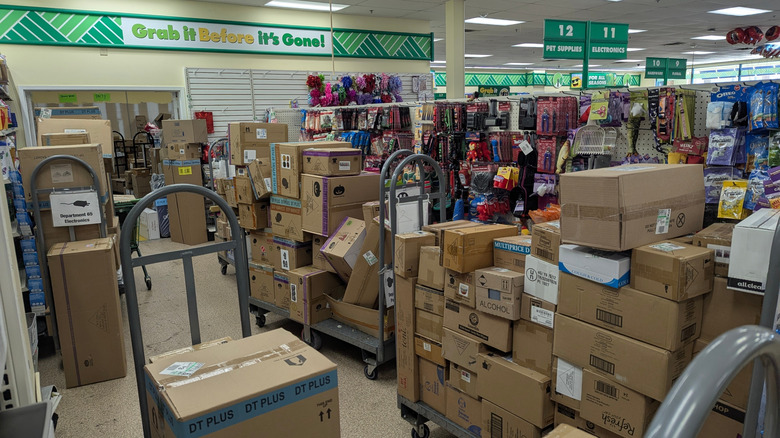
Here's one last tip that every seasoned Dollar Tree shopper learns: No two stores are exactly alike. Product availability varies by region, store size, and even local demand. That viral item you saw on TikTok? It might be stocked in only a handful of test markets, or it may not have reached your location quite yet.
Dollar Tree often rolls out inventory regionally to gauge popularity before expanding products nationwide. Stores also carry local or region-exclusive items depending on distributor partners. You never quite know what you'll find, which can either be a fun hunt or a frustrating feeling if you're looking for something specific. If there's a trending product you're eager to grab, your best bet is to check multiple stores in your area or browse online to see if it's available in bulk. Some people even join Facebook groups or Reddit threads where shoppers share restock sightings and tips.