

Here's How Grocery Stores Decide What Products To Put On Sale
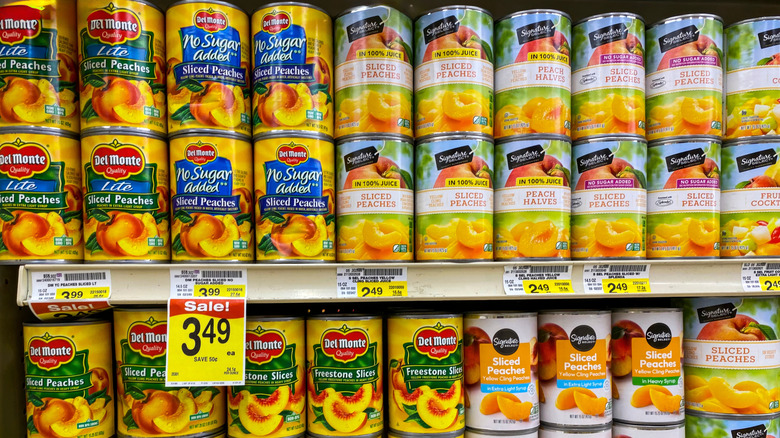
Everybody loves a good sale. Sure, saving a few bucks always feels nice, but there's actually more going on there than just smart spending. Turns out, scoring a great bargain activates the brain's reward center and triggers the release of feel-good hormones, such as serotonin, dopamine, and endorphins. This explains that little burst of happiness and satisfaction we all feel when we get a great deal at the supermarket. But tracking down great sales isn't easy; even if you do find one, most of the products you like are often gone in a flash while the ones left aren't really worth it.
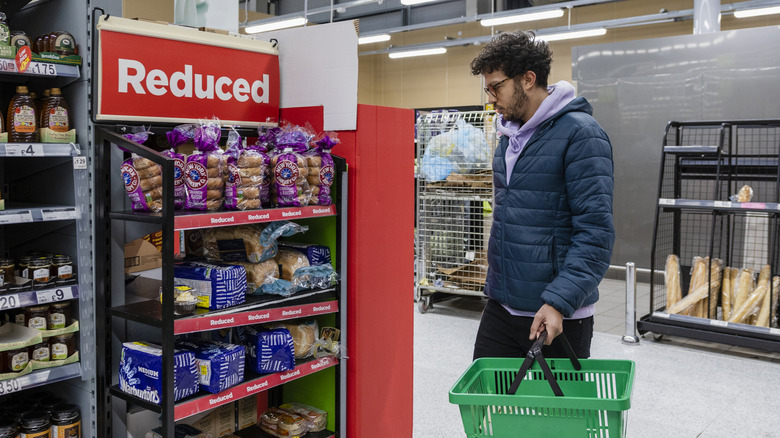
The reason for this is that those sales aren't random at all. There's a carefully planned strategy behind every sale sign, and this is one of the secrets grocery stores don't want you to know. Alli Powell, CEO and owner of Grocery Getting Girl, an online blog that focuses on grocery hauls, budgeting tips, and cooking hacks, disclosed in an exclusive conversation that decisions on sales are often made by a company's upper management. "Sales are usually decided by the corporate team," she told Chowhound. Powell noted, however, that certain discounts do happen overnight; whether you get to benefit from them depends on whether you're a morning person or not. "Markdowns also happen based on shelf life and what needs to move off the shelf," she pointed out.
Do all grocery stores restock and discount on the same days?
The reason Thursday is the absolute best day to shop at Publix is because most grocery chains launch new deals on Wednesdays. "Wednesdays are also a popular day for most grocery chains to start new deals, and they will send out their [flyers] to coincide with this," Alli Powell explained. "Sprouts is a great example of this — [it offers] new deals every Wednesday." When asked how often most grocery stores restock food and if they follow similar restocking or turnover schedules, Powell admitted she doesn't have enough insight into grocery operations to say for sure. However, data suggests that it depends on the store's size. While larger grocery store chains typically restock each day, smaller stores tend to do it less often, usually once or twice a week.
When it comes to which sections of the grocery store are most likely to feature discounts, certain departments tend to have more frequent sales than others. "Both meat and produce commonly go on sale, so there are usually sale signs up around those departments of the store," she concluded. As to where on the shelves you might find products on sale, statistics show that top shelves are used to display new or less popular items that are still gaining recognition while bottom shelves are usually reserved for bulky or well-known products that customers don't mind reaching for. On the other hand, the middle shelves are where most people look first, so they're considered the prime spot for products.