

Red Bull Actually Is Not Owned By Coke Or Pepsi
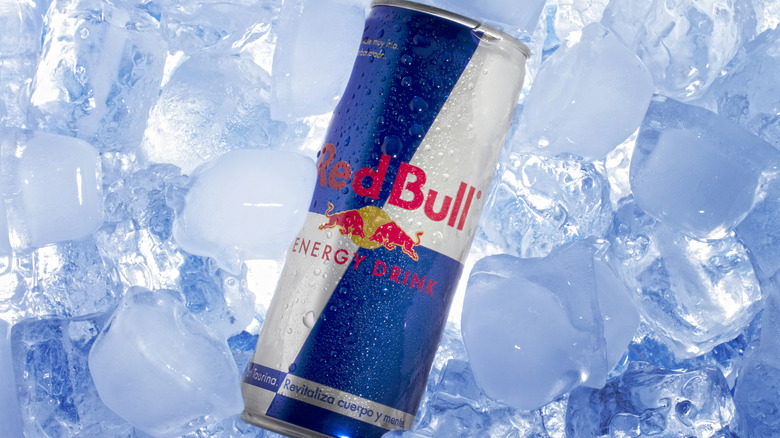
Somewhere between the sticky-floored chaos of a bar in a foodie college town and the fluorescent calm of a 5 a.m. airport lounge, Red Bull found immortality. The energy drink "gives you wings," but most people assume those wings belong to one of the soda giants. Coke or Pepsi, the twin overlords of liquid America, seem like the obvious puppet masters behind that slim blue can. Except, plot twist: They are not. Red Bull is privately owned, stubbornly so, and has managed to stay out of the syrupy clutches of Big Cola entirely.
The company was founded in the mid-1980s by Austrian entrepreneur Dietrich Mateschitz and Thai businessman Chaleo Yoovidhya, and together they transformed Krating Daeng, a local Thai energy tonic into a global icon. Together, they reworked the formula and rebranded it for a global market, turning a local tonic into an international phenomenon. They created a drink that looks like battery acid, tastes like adrenaline, and somehow became a lifestyle brand for extreme athletes and night-shift warriors.
Red Bull is still privately held, with the Yoovidhya family owning about 51% and the rest tied to trusts and foundations, including one in Geneva that recently saw a $1.1 billion stake transfer. No suits in Atlanta or Purchase, New York, the respective headquarters of Coke and Pepsi, get a say in this fizzy empire. Red Bull operates like a caffeinated rebel, with small boardrooms, giant stunts, and a habit of sponsoring anyone willing to fling themselves off a cliff with a GoPro strapped to their head.
What Red Bull's independence really means
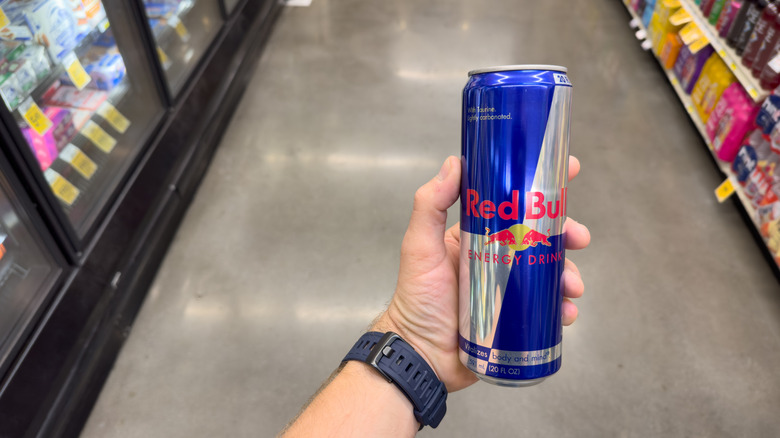
Based in Fuschl am See, Austria, Red Bull's freedom from Coke and Pepsi is not just a corporate technicality, it is part of the brand's DNA. Without shareholders in khakis and quarterly profit sermons, Red Bull does whatever feels right, or at least fast. It invests in Formula 1 teams; owns football clubs in Leipzig, Salzburg, and New York; and bankrolls daredevil feats that look more like Bond movie stunts than marketing campaigns.
This independence also explains Red Bull's weird, enduring charm. While Coke and Pepsi challenge each other over different things, including which brand has the better diet soda, Red Bull quietly holds its ground with a handful of flavors that still taste unmistakably like caffeine and chaos. It does not launch a dozen gimmicky variants or change packaging every month. It simply exists, quietly dominating shelves and fridges everywhere from Tokyo to Tulsa. The brand knows exactly what it is: functional, fast, unapologetically synthetic.
Being privately owned allows it to move like a street racer, not a freight train. When the company decides to sponsor a freefall from the edge of space, there is no call from an accountant asking about ROI. Red Bull just jumps, literally. That may be why, despite its size, it still feels like an underdog — a strange, caffeinated outsider that refuses to be swallowed by the corporate behemoths that dominate the global drink aisles.