

Protect Your Garden From Cold Temperatures With A Common Household Item
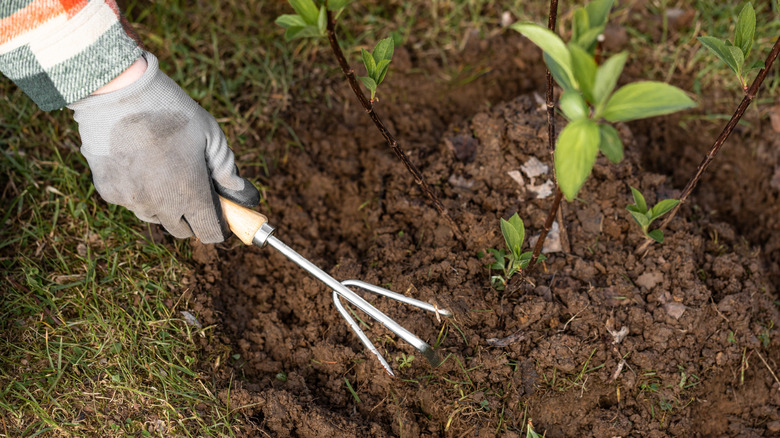
Plants are living, breathing things that can perceive the world around them in their own way. Pick the best spot in the garden according to experts and they'll really thrive — perhaps even without a green thumb. Place them outdoors and they'll even notice little changes, like drops in sunlight levels and fickle weather. As such, when the cold breeze of winter starts knocking on everyone's doors, it's time to make a few adjustments to protect your plants — and one way to do it is with a common household item.
To protect your plants from the chill, drape extra blankets or bed sheets over them to safeguard them from the frost. A breathable fabric is your safest bet, as it allows for proper air circulation. That said, don't just put the cover over them and call it a day. Securing the sheet in place is equally important so that a gust of wind doesn't blow it away. Tie a rock or a filled water bottle to both ends of the cloth to keep it in place.
Making these arrangements when the weather shifts is especially important for plants that are more prone to cold damage, like tomatoes and lettuce. Not doing so could undo all the hard work you spent growing them — even if you're working with the easiest fruits to grow in a small garden — as the frost can wilt or kill them.
Other ways to protect your plants in cold temperatures
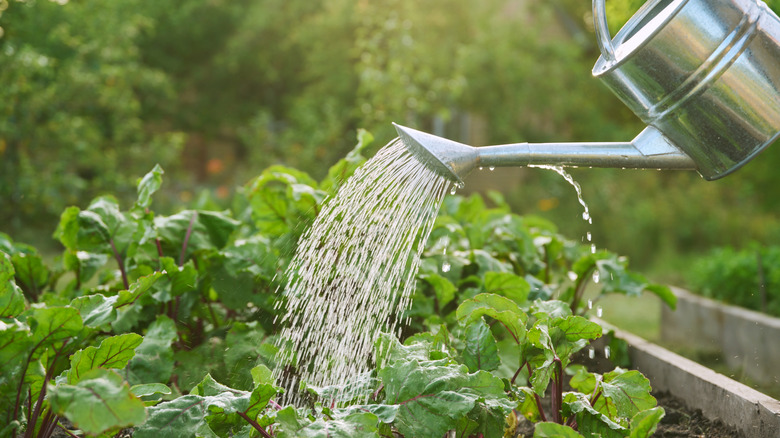
To protect your plants from the cold, don't just stop at covering them from fall through winter. Keep an eye on the weather forecasts, and make sure to water them before frost occurs. While it sounds counterproductive, watering plants actually warms them up. The process of water freezing produces heat, so keeping your plants hydrated can give them more warmth. Scattering a generous amount of compost or mulch in your garden can also help, as it provides more insulation. If possible, you can even bring your flowers and herbs inside. Just remember that an insulated environment is only necessary if the weather drops to around 45 degrees Fahrenheit, depending on the plant.
The most foolproof way to ensure healthy, thriving greens is to wait to plant them during warmer months, especially if there's no need for you to set them in soil immediately. After all, adverse environments can put pressure on plants (yes, even flowers and fruits get stressed), which makes them even more vulnerable to pests. While there are hacks for getting rid of pests in your vegetable garden, prevention is always better than a cure.