

The US State That Produces The Most Tomatoes Is Not Florida Or Indiana
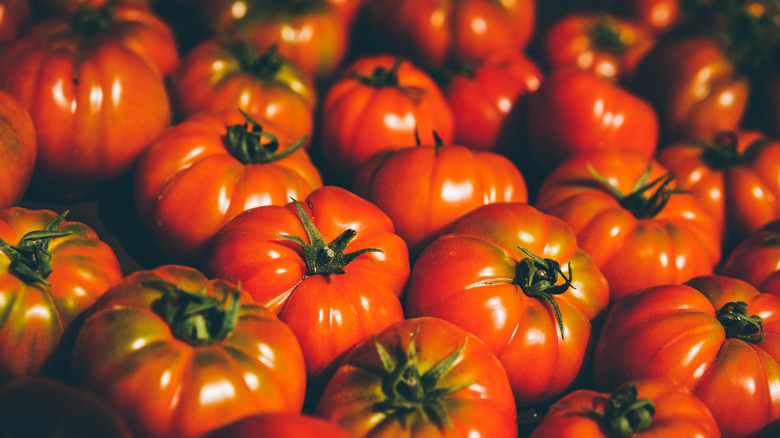
Tomatoes are everywhere in American kitchens. They are pure comfort disguised as fruit, slipping into your hot sauces, stews, pizzas, and backyard burgers with the confidence of an old friend. Say "tomato state," and many conjure visions of Florida's sun-drenched fields or Indiana's heartland canneries. Yet the crown does not belong to either. The undisputed heavyweight champion of tomatoes is actually California, and the gap is not small. California produces a staggering 255,388 thousand centum weight of tomatoes each year, far overshadowing Florida's 7,560 and Indiana's 4,940 thousand cwt, making it responsible for nearly all of the nation's processing tomatoes and about one-third of global production. As each centum weight is equivalent to 100 pounds, the Golden State is churning out close to 26 billion pounds each year, more than enough to drown entire counties in marinara.
California's dominance is not an accident. The state's Central Valley offers a rare combination of blistering heat, dry skies, and irrigation systems that turn desert into empire. Tomatoes here are not dainty garden ornaments. They are industrial workhorses, bred for sturdiness and bulk. Think less heirloom prettiness and more red bricks of sustenance. The processing giants know this, which is why ketchup packets, canned sauces, and most store-bought frozen pizzas across the country whisper back to California soil.
Florida and Indiana hustle hard, but they simply cannot touch California's scale. The state grows so many tomatoes that global supply chains lean on its rhythm. Every harvest, trucks line up like soldiers waiting to ferry crimson cargo to canneries, reminding the world that the beating heart of the tomato is not in the Southeast or Midwest, but deep in California's agricultural engine.
Why California rules, and what that means for the tomato on your plate
The secret of high tomato production in California is consistency. California is not just making tomatoes, but building a reliable red currency that the rest of the United States and much of the world banks on. While Florida wrestles with pests and humidity (it's the second most humid state in the U.S.), California's arid climate keeps the vines steady and disease pressure lower. Indiana offers rich soil, yes, but frost cuts the season short.
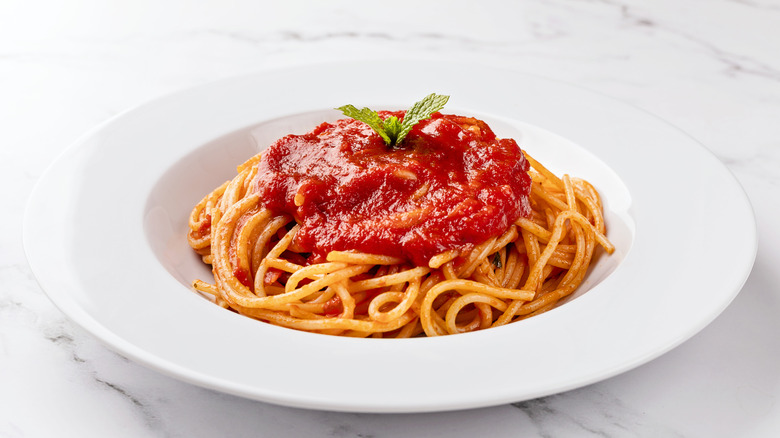
California just keeps producing, the state acting like a tomato machine humming under the sun. It is less about romance and more about industrial poetry, fields engineered to feed a nation.This dominance shapes what ends up on your plate. That jar of marinara sauce from the supermarket? Likely California. The tomato paste smeared under your chain pizza's cheese? California again. Even the salsa sliding off a tortilla chip at a backyard party often traces its lineage back west.
California's tomato empire means that American taste buds are calibrated to its crop. Other states grow delicious, quirky heirlooms, but California sets the baseline flavor profile of everyday life. It is not only the most tomato-producing state in America but the quiet architect of the national palate.