

The Affordable, Protein-Packed Grain More People Should Be Eating
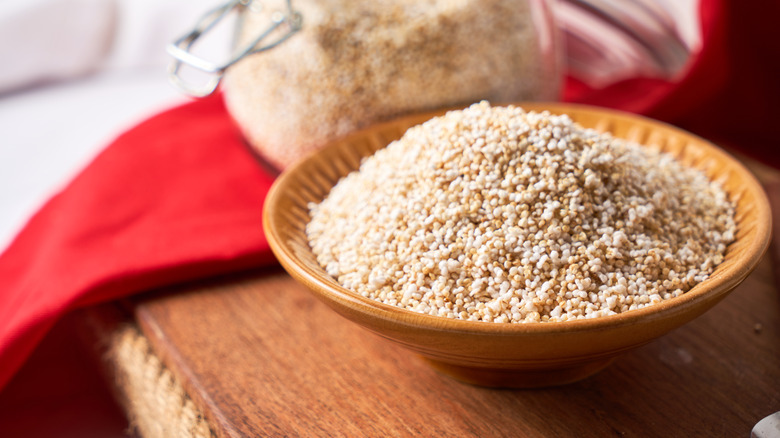
If you are looking for a little variety in your grain game, you might want to try this ancient staple that packs more protein than brown rice or quinoa. Though it's been a central part of diets for centuries in South and Central America, amaranth is just starting to appear on the radar of those looking for high-protein alternatives to grains in the United States. Technically, though, amaranth is not a grain. It's actually considered a pseudo-cereal, just like quinoa. This means it's a seed that can be used like a grain.
Amaranth is similar to quinoa in that they are both small seeds, but amaranth has a much more distinctive flavor, with nutty, earthy tones that make it ideal for pairing with sweeter flavors. Also like quinoa, amaranth is gluten-free, making it an excellent choice for those looking to cut or eliminate gluten from their diets. These tiny seeds pack almost double the amount of protein found in rice or corn, and they have about one extra gram of protein per cup than quinoa. Amaranth is also an especially good source of manganese, magnesium, and iron. The best part? A bag of amaranth will likely cost you less than its trendier cousin, quinoa.
How to prepare amaranth
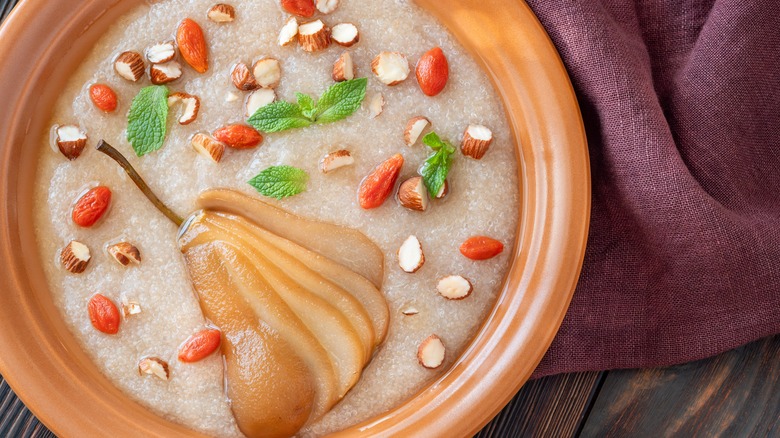
Amaranth can be cooked just like you would cook quinoa. You combine it with water and bring it to a boil before simmering over low heat for around 20 minutes. The consistency of cooked amaranth is creamy and similar to porridge or polenta, making it a wonderful substitute for oatmeal in the morning, especially if you add sweet ingredients like fruit and honey to complement amaranth's nutty flavor. It can also be used as a high-protein gluten-free side to savory dishes in lieu of rice or potatoes or as a thickener in soups or stews.
The seeds can also popped similar to the way you make popcorn. Also known as puffed amaranth, it is made by dropping a few spoonfuls of amaranth seeds into a tall, heavy bottomed pot and placing the pot (no lid needed) over medium high heat on the stove top. The seeds will pop, turning into puffed amaranth that is similar to puffed rice. These can then be added to homemade granola or other baked goods for a bit of crunch and a nutritional boost or sprinkled on top of yogurt, oatmeal, or salads.
Amaranth leaves are also edible, though they are more difficult to find than the seeds. The leaves are rich in vitamin C and come in different colors depending on what variety of seed they originated from. In Chinese markets they are known as red spinach or Chinese spinach, and in South America the leaves are called quelite. If you do manage to fine some, note that the leaves are generally too tough to be eaten raw, but can be steamed or sautéed and enjoyed with a little oil or butter and salt.