

Yes, Caffeine Withdrawal Is A Real Thing: Here's How It Works (And What To Do About It)

For many, that morning cup of joe isn't just a tasty treat, but an essential part of the day. It's no secret that coffee, tea, and energy drinks are a great way to get going. Each of these beverages contain caffeine, a chemical compound that, when consumed, acts as a stimulant. Caffeine is a common component of many drinks and dishes (you can even find it in chocolate), and is generally regarded as being safe to consume, though the recommended amounts do differ based on certain factors.
However, caffeine is also, technically speaking, a drug, and therefore can cause a chemical dependency within one's body. Because of this dependency, missing your regular cup of coffee can cause caffeine withdrawal. Symptoms include headache, fatigue, and even a change in your emotional state, and can occur as soon as 12 hours after your last caffeinated beverage. These symptoms are most common in those who drink caffeine habitually, but can occur even if you've had caffeine for only a few days in a row.
In addition to its function as a stimulant, caffeine also constricts blood flow in the brain. This function does make caffeine an effective treatment for some headaches, and a beneficial supplement to some pain medications. Caffeine prohibits the impact of adenosine, a neurotransmitter that promotes blood flow. Though this substance can stop the absorption of adenosine, your body still has the mechanisms to absorb it. When you stop drinking coffee (or other caffeinated drinks), your body experiences an uninhibited influx of adenosine, which can then cause a headache.
More effects of caffeine withdrawal
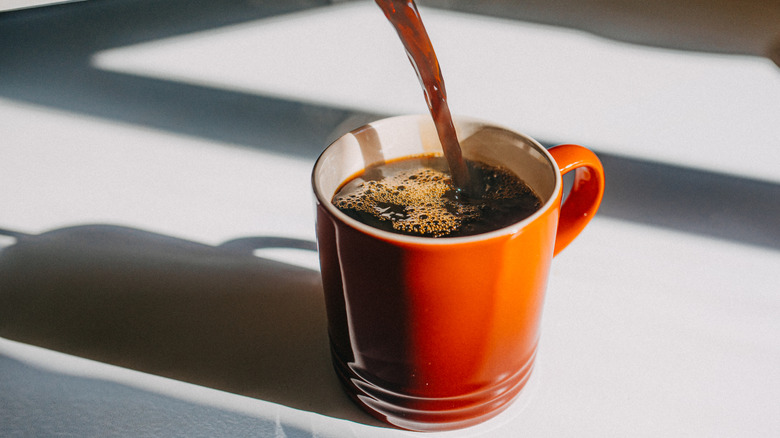
Of course, headaches aren't the only symptom associated with caffeine withdrawal. Other common symptoms include increased fatigue, caused by a rebound effect in the uptake of adenosine, the same neurotransmitter that causes that pesky headache. Cutting off your coffee habit can also cause a dip in your mood. Since caffeine is a stimulant, it can positively impact your mood. When you abruptly stop consuming this substance, your energy levels can take a bit of a hit. You may also experience difficulty staying focused on certain tasks, due to a drop in chemicals such as adrenaline and dopamine, both of which are tied to motivation and concentration.
These are the most common symptoms of withdrawal. However, there are some less well-known side effects, such as tremors, which can also occur. You can also experience symptoms of nausea and upset stomach. However, it is important to note that many of these effects, such as tremors and nausea, are also symptoms of caffeine overconsumption.
Drinking too much caffeine can also cause anxiety, and for some, it may also (in and of itself) cause headaches in some individuals. Be sure to keep these factors in mind when reaching for your next brew. For most adults, the upper limit for daily caffeine consumption is 400 milligrams a day , or a little over cups of coffee. However, this amount can vary based on many health factors, including caffeine sensitivity, pregnancy, and age.
How to help with caffeine withdrawal symptoms

There are ways to alleviate or reduce withdrawal symptoms. Take steps to keep hydrated by drinking beverages such as water, sports drinks, and juices. If you're experiencing headaches, consider taking over-the-counter pain medications to help alleviate pain. Getting some extra rest will also help to ease symptoms such as fatigue if you are taking a hard stop approach to caffeine.
Of course, perhaps the easiest way to ease symptoms is to consume caffeine. However, this isn't useful to those who are hoping to quit the substance. If you are trying to quit with minimal withdrawal symptoms, there are a few tips to keep in mind. One way to stave off that dreaded headache is to slowly reduce your intake over a period of several days or weeks. This will prevent the rapid drop-off effect that comes when you immediately reduce your caffeine intake to zero.
This process can be as simple as cutting down your coffee intake by one cup per day, or swapping out coffee for something like black tea, which is lower in caffeine than coffee. If you're feeling fatigued or experiencing shifts in your mood, you can try boosting your energy levels by engaging in some light activity such as walking or yoga. When it comes to quitting caffeine, it's important to be patient and know that there is nothing wrong with taking your time. Although it is important to note that, in moderation, caffeine can be a part of a balanced lifestyle. So, don't worry if you can't stop thinking about that pumpkin spice latte.