

The Wine Etiquette Mistake You Need To Stop Making At Restaurants
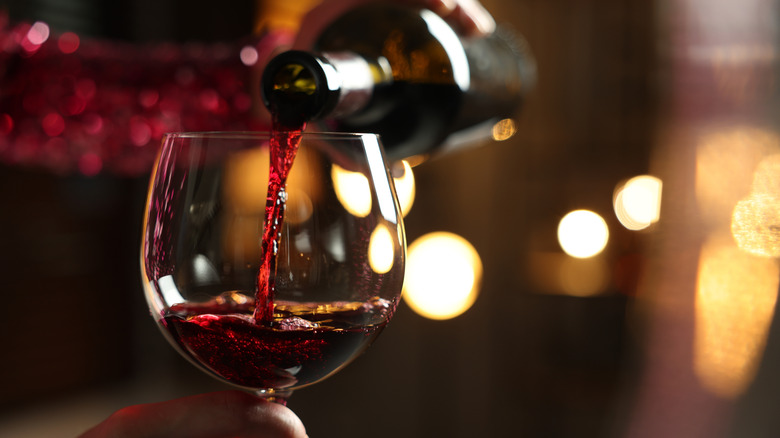
For avid wine drinkers, you may have heard that smelling the cork is a way to determine the freshness of your bottle. This action may seem impressive, but it actually doesn't really do much to confirm the freshness of your bottle. Though it isn't quite poor etiquette to smell the cork, it might signal to staff and sommeliers that you aren't up-to-speed on your wine knowledge.
To gain some more insight, Chowhound spoke with expert Elizabeth Schweitzer, Master Sommelier at Grand Hotel on Mackinac Island in Michigan. She said, "The cork is a closure and has nothing to do with wine quality. Although, it may sometimes become infected with TCA, and this in turn will make the wine 'corked.'" "Corked wine" refers to the issue of cork taint, which can impact wine's flavor. "It is an obvious smell and would be noticed when removing the cork," Schweitzer said. This is why your server will pour a small sip first. It allows the person who ordered the bottle to ensure that the wine hasn't spoiled before pouring for the rest of the table. When asked how to better determine a wine's freshness, Schweitzer said, "The best way to evaluate a wine is its appearance, aromas, and flavors."
Though it is common for those serving you a bottle of wine to hand you the cork, this is more for the sake of tradition and not because it will inherently aid in your enjoyment of the bottle. Some of her guests, Schweitzer also noted, keep them as souvenirs or just enjoy examining them. "After opening the wine bottle," she said, "I present the cork to the guest. When they are not interested, I put it in my pocket."
Assessing wine's freshness and keeping it fresh
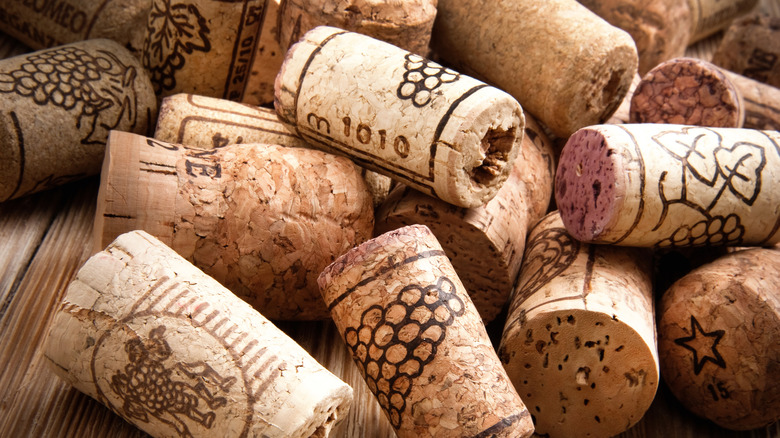
There are qualities to look for in your cork — more so than smelling it — which can tell you a bit about the health of your wine. As it turns out, the longer that wines age, the more chances that the integrity of the cork could be affected. "When a wine has some age, it is interesting to examine the cork for breakage, softness and/or seepage," Elizabeth Schweitzer told us. All of these are cause for concern when it comes to your wine's freshness and flavor.
Though looking at the cork alone will not inherently determine if your wine has gone bad, this is where attentiveness to smell and taste will truly help you determine if your bottle is still drinkable. If your wine tastes of vinegar or sauerkraut, it's probably past its prime. Appearance is another factor worth considering; discoloration can nod to a wine that's gone bad too, sometimes due to exposure to light.
If you imagined that a bottle is fine so long as it stays sealed, we hate to burst your bubble. Wine bottles can still go bad even if left unopened, which is why it's imperative that you know how to property store your wine. Besides this, they'll also go bad over the course of one to five days once you've removed the cork. Fortified wines are a different story, lasting up to 28 days so long as they are kept cool and away from light. And once you've opened your bottle, you'll want to make sure you shop for the best wine saver to help extend its shelf life.