

How Häagen-Dazs Ice Cream Got Its Name. (Its Meaning Is Not What You Expect)
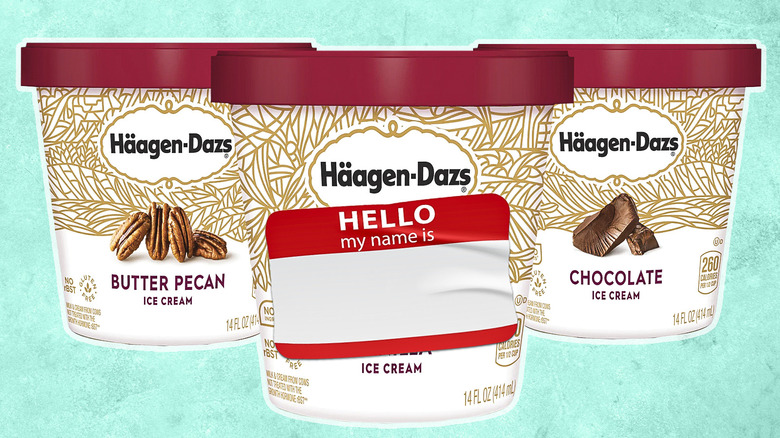
Häagen-Dazs isn't your run-of-the-mill ice cream. You find no wooden spoons affixed to an aluminum foil cap, nor the thin, artificial taste of "frozen dairy desserts" on its pints. Its silky, rich texture is matched only by its well-thought-out flavors (fans of the brand still mourn the loss of its espresso chocolate cookie crumble flavor). Häagen-Dazs has a reputation for being a cut above the rest and, by virtue of its umlaut and double-vowel-rich name, has a vaguely European appeal. The only problem? Häagen-Dazs isn't European in the least; this brand hales not from Germany or from the Swiss mountains, but from the Bronx.
How did this domestic ice cream brand get such a continental name? We have to go back to 1960, when Reuben and Rose Mattus started up their very own ice cream company. Reuben, whose uncle owned an Italian Ice business, had a goal of producing a richer ice cream product than those being made at the ice cream company he managed. The only problem was the name, or lack thereof; he needed the perfect name for his new ice cream. But, rather than finding an already existing word to use, he simply made one up. Yup — Häagen-Dazs is a fabricated name with no meaning in any language, just a creative arrangement of letters that form something vaguely European. The Häagen-Dazs founder has given some insight into his decision to whip up a completely fabricated name, saying a name like Häagen-Dazs helps churn up some buzz from discerning shoppers looking for something beyond the domestic.
Why Häagen-Dazs?
So, Häagen-Dazs isn't actually European. But what language is it supposed to be? According to Reuben Mattus, the name Häagen-Dazs was inspired by the Danish language. He picked the language of Denmark because of the nation's stance on protecting Jewish people from invading Nazi forces during World War II. This was especially important to both Rose and Reuben Mattus, who both came from Jewish immigrant families. Beside these personal and historical connections, the Danish-ish name was meant to give the brand a high-end, continental feeling that would set it apart from other ice cream brands. According to Mattus, the one-of-a-kind name was his way of attracting customers with distinctive sensibilities. Essentially, the unique name helped set his brand apart, and helped justify the brand's higher price point.
The European-sounding name does carry a lot of weight when it comes to the brand's identity; it's an example of foreign branding, a marketing method that employs vaguely foreign verbiage or branding to help convey certain connotations to potential customers (popular restaurant chain Pret a Manger uses the same tactic). Clearly this marketing strategy has worked; Häagen-Dazs is now a staple in grocery stores across the nation. However, the brand might be facing some stiff competition in the freezer aisle since there are now plenty of premium ice cream brands vying for a spoonful of your attention.