

Here's How Anthony Bourdain Felt About Pumpkin Spice Coffee
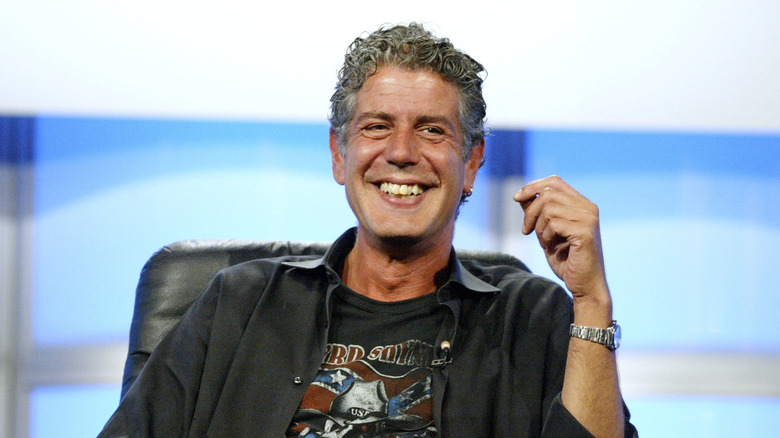
Anthony Bourdain was many things, but neutral he was not. The late chef, writer, and TV personality, who passed away in 2018, made a career out of cutting sharp and definitive opinions on food, drink, and the world in general. Some of his takes are unexpected. Take, for example, his affection for the "Ratatouille" Pixar film, or his stance on the best time to salt your steak, which is right before it hits the grill. However, there are some things in this world that Bourdain absolutely abhorred, and pumpkin spice is one such case.
Yes, Bourdain hated pumpkin spice in almost all forms, including coffee. In an interview with People Magazine, Bourdain said, "I think pumpkin spice is disgusting. I certainly don't want it in my coffee." Now, this doesn't mean that he hated all things pumpkin; he liked pumpkins and the pies, tortellinis, and soups they are often turned into. However, his affinity for pumpkin only went so far: "I can't think of the last time I woke up in the middle of the night and thought, 'You know what? I could really go for some pumpkin,'" he admitted.
Essentially, his real gripe with the food trend was its ubiquity, which he found to be disproportionate to the attention and praise it has so often received. This is certainly understandable. After all, pumpkin spice is an inescapable presence during the fall, and it has taken hold of products that really needed no pumpkin spice twist to begin with (think hummus and kitty litter, for example).
Separating the spice from the gourd
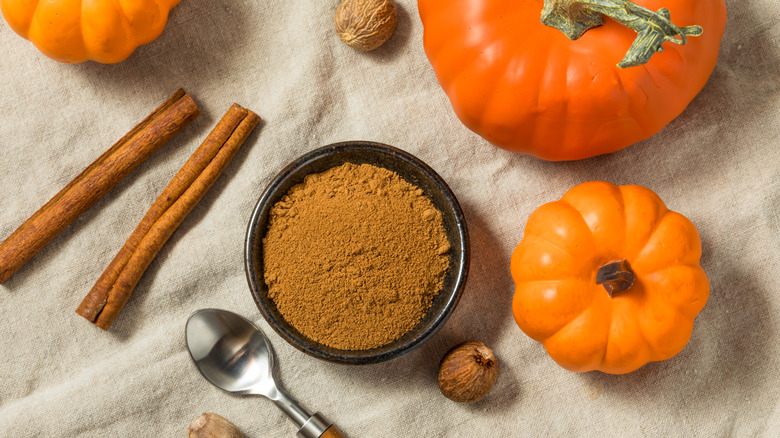
Of course, a person of such caliber as Anthony Bourdain is entitled to their opinion. However, there does seem to be a pretty big flaw in his argument against pumpkin spice: It doesn't actually contain any pumpkin. Bourdain critiqued pumpkin for its lack of pizzazz to really justify the flavor's ubiquity. Essentially, he said that while the squash itself was okay and dishes such as pumpkin pie or pumpkin soup were good, they weren't earth shattering enough for him to actually think about pumpkin too much.
But there is no pumpkin in pumpkin spice. Or, at least, it is not a mandatory addition. In fact, the recipe for Starbucks' pumpkin spice latte didn't actually include pumpkin until 2015, after much public uproar about what was deemed as a misleading name. However, strictly speaking, pumpkin spice isn't made from pumpkin. Rather, it's a combination of spices so named for their common use in flavoring pumpkin products. You can use a variety of spices to make pumpkin spice, but the most commonly used ingredients are nutmeg, cinnamon, ginger, cloves, and allspice. This blend gives any dish it is added to a delicious autumnal taste that is often reminiscent of pumpkin pie, simply due to the fact that most of the flavor in pumpkin pie comes from these spices. It should also be noted that though pumpkin spice has blown up in popularity in recent years, it actually has roots that go back centuries in American history.
Why pumpkin spice works in coffee

Regardless of whether or not Anthony Bourdain enjoyed a well spiced cup of coffee, the drink remains a staple for many drinkers, and for good reason. If you nix the pumpkin element which, again, is totally optional and not strictly included in the definition of pumpkin spice, this spice blend seems to be perfectly formulated for use in a cup of joe. After all, cinnamon and nutmeg are not that uncommon ingredients in coffee drinks, and can often be found sprinkled atop a cappuccino. And spices such as cloves and ginger, especially when used alongside cinnamon or nutmeg, make a great accompaniment to coffee. The warmth, subtle sweetness, and earthy undertones to these spices pair well with the nutty, somewhat acidic taste of coffee. These flavors can add more complexity and richness to coffee that can very well enhance your sip.
Still, some people, Bourdain included, prefer their coffee to be as simple and spare as possible. In fact, the unconventional flavor that Bourdain found crucial to his coffee-drinking experience was cardboard. More specifically, he enjoyed his coffee in the iconic, Greek-style cardboard coffee cup found so often in New York diners. This might not be everyone's cup of tea (or coffee, as it were), but then again, Bourdain never claimed to be a universal voice. His opinions were his own, and his strong-held, singular beliefs are what make him such an enduring figure in the culinary sphere.