

The Key Flavor Differences Between Iced And Cold Brew Tea
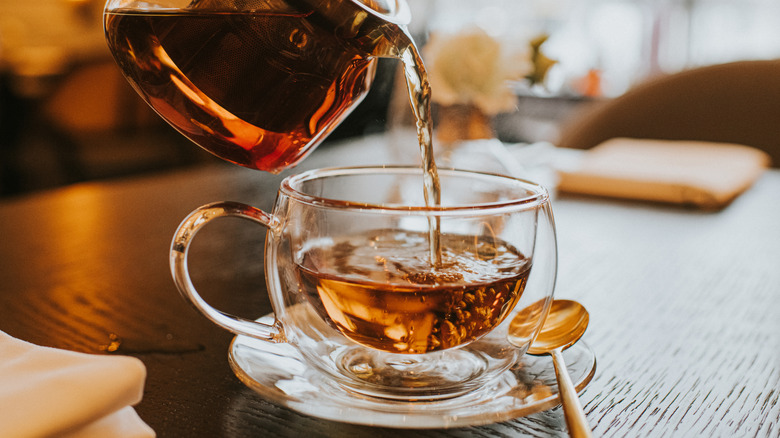
Does it really matter how you brew your tea? In the refined world of steeped drinks, iced and cold brew are more different than you might think. While the refreshing feeling after you take a sip is consistent, treating them the same means you're missing out on a beautifully complex experience. Chowhound spoke exclusively with tea sommelier Jee Choe to figure out what's the actual tea with iced and cold brew teas' key flavor differences. "Cold brewing makes the absolute best tasting iced tea. Cold brew tea is mellower and smoother than regular iced tea and, especially with black tea, there's no bitterness at all. Iced tea will have a stronger flavor but cold brew tea will pick up more subtle flavors and notes," Choe told us.
The reason behind the distinct flavor differences boils down to the process. Making iced tea requires steeping it in boiling water, which extracts more tannins. Tannins, which fruits and spices also naturally contain, are chemical compounds that cause the sharp flavors. This is why iced tea tastes more intense than tea made by steeping in cold water. If you want to know how to brew stronger tea without it turning bitter, however, that's a whole different story.
What's your cup of tea?

Both tea-making practices have different caffeine contents. If you're trying to lessen your intake, go for cold brew tea, which has about 40% less caffeine (and is packed with more antioxidants). The process to create cold brew tea also allows for a less acidic drink, which is better for your gut. Plus, making a batch is like prepping your meals for the next couple of days; you can make as many servings as you want effortlessly in one go. You can store it in the fridge and it's good for five days at most, though not letting it go beyond three days is best to get the full flavorful experience. Iced tea has roughly the same shelf life, but drinking it within two days is recommended.
This isn't to say that iced tea doesn't have its fair share of advantages. It has a more concentrated dose of polyphenols thanks to the hot water steeping process, which helps with cardiovascular health. If you need something done fast, you only need 10 minutes for iced tea, so there's no need to plan ahead. Just be prepared to sacrifice the sophisticated taste you can get from waiting at least eight hours for a batch of cold brew tea. Ultimately, both have appealing advantages. It all depends on your cup of tea.
How to make the perfect cup each time
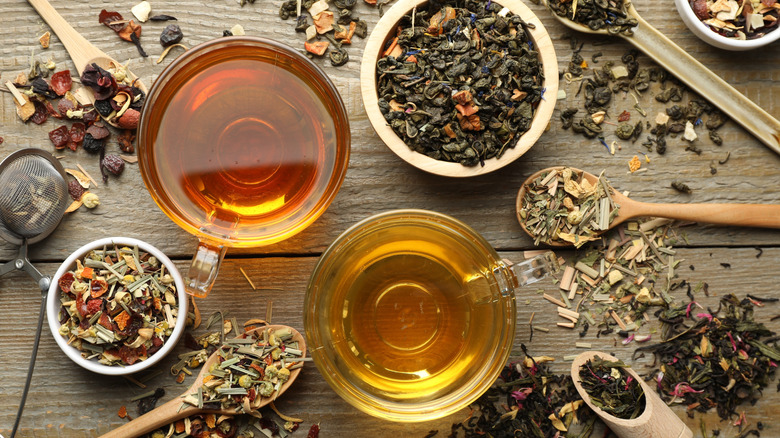
Whether you're making iced tea or cold brew tea (or brewing with loose-leaf tea instead of tea bags), the goal stays the same: A cup where the flavors still shine. We can learn a thing or two from Jee Choe's method: She utilizes 1 ½ teaspoons of tea for both, with the only difference being the steeping time. "If I want a stronger brewed tea, I'll cold brew it for 24 hours. The only exception to this is cold brewing green tea. Green tea gets bitter quickly, so I cold brew it for three to six hours," she shared.
Other than Choe's method, you can draw inspiration from kouridashi. It's a Japanese way of making cold brew tea with the use of ice cubes as opposed to the typical process with just plain ol' cold water. Just toss ice in a container with your leaves, wait for it to dissolve, and strain the leaves. Obviously this takes some time to do, but some say the gentle balance of flavors with a whisper of sweetness is well worth it.