

Does Older Bourbon Always Taste Better? What Age Really Means
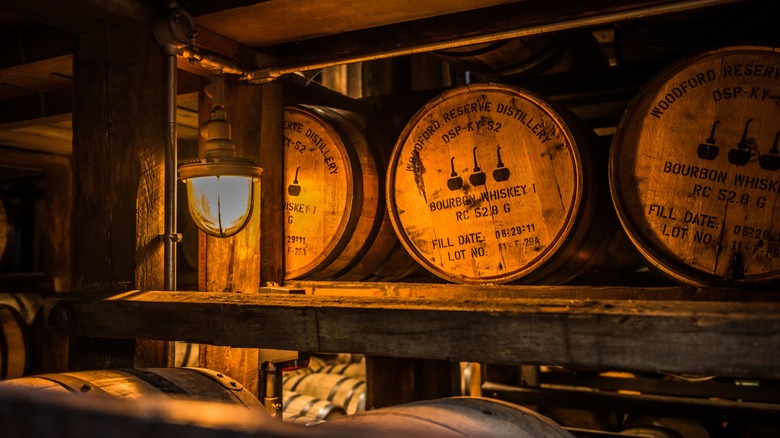
To some people, age may just be a number. But in the world of bourbons, age means a great deal. In fact, it's legislated that bourbon has to be aged for at least two years in order to be considered bourbon at all, just going to show how vital time is to crafting America's quintessential corn liquor. However, aging bourbon also means you'll end up with a smaller supply of old bourbon, and as such, many aged bourbons can cost a pretty penny. So are they really worth it when it comes to their taste? Chowhound spoke exclusively with a professional in the field to get their answer.
Deena Sayers serves as the beverage director of New York City's The Stand, and she understands the nuances surrounding aged bourbon. When asked outright if an older bourbon always tastes better, she responded simply, "Not always." As for her rationale, she explained, "Some very old bourbons I've tried leaned too dry and oaky for my palate. Personally, I prefer a balance — a happy medium where age adds depth without overwhelming the spirit." By virtue of aging in charred oak barrels, more of that oaky flavor is a characteristic of aged bourbon, which might not be a bourbon trend that suits you personally. Ultimately, you've got to know what you're looking for in a bourbon, and sometimes that means a younger option fits better. But that doesn't mean you shouldn't dabble in older varieties, especially if you have the chance to sample a rare find.
How else does age change a bourbon?
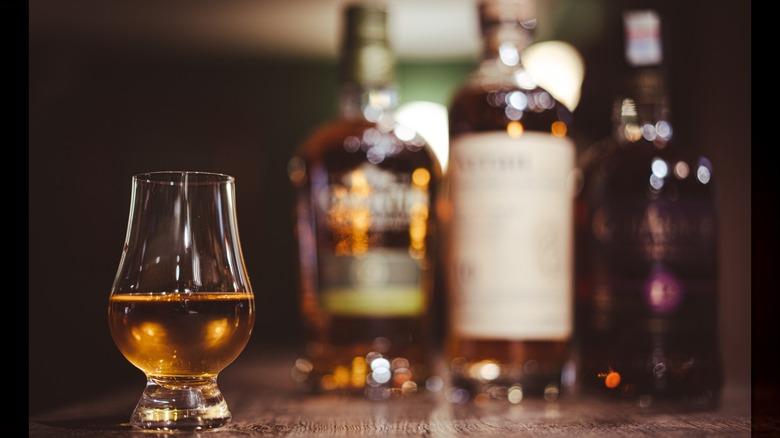
One common song you might hear sung among bourbon aficionados is that the aging process makes the overall flavor profile of your bourbon more nuanced and complex, and this is certainly true from a general standpoint. Deena Sayers echoes this sentiment by emphasizing bourbon's characteristic flavors. "Aging," she told us, "brings out vanilla, caramel, spice, oak, and complexity, while creating a rounder mouthfeel." However, she makes sure to affirm that age doesn't suddenly transform a bourbon into something unrecognizable. She explained, "Aging doesn't erase the bourbon's core character — you'll still taste the grain, yeast, and distillation notes. Aging refines and enhances those elements rather than replacing them." This more refined profile is an attractive feature for those who've developed their bourbon palates, and it can certainly be something you grow to appreciate, even if you're more keen on younger bourbons at present.
But this isn't the only factor that influences the quality of your bourbon. The liquor sits in its barrel for however long it has to age, and Sayers mentions that the handling of the barrels plays a key role as well. "Some distilleries rotate barrels to different spots in the rickhouse, while others keep them in one place and blend later. Both methods create noticeably different results, proving that aging is just one piece of the puzzle," she said. So even if that age statement on the bottle is super important, it's not the be-all end-all of your bourbon –- and sometimes you just have to taste it to know if it suits you.