

Rick Steves' 15 Best Budget Food Tips Every Traveler Should Know

If you're planning a vacation, there's a good chance that you're already considering what to eat and where to eat while you're there. Food is an important part of a trip, especially if you're heading to a foreign country, but choosing the wrong places to eat can quickly drain your budget. As a travel expert, Rick Steves has plenty of tips on how to save money while on vacation without diminishing your experience. Over the years, he has visited Europe many times and is an advocate for saving money in creative ways, and often getting the most out of a location at the same time.
From having a picnic in the park to grabbing the occasional burger, taking some of Steves' tips on board will help you save dollars on food that can be spent elsewhere on your trip. Whether you're just at the research stage or nearly ready to board the plane, let's take a look at Rick Steves' 15 best budget food tips every traveler should know.
1. Have a picnic
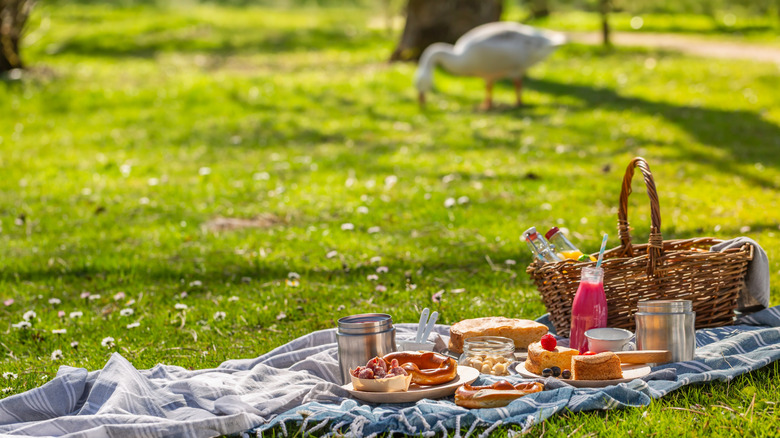
When planning a trip abroad, it's easy to assume that you will be eating out for every meal, savoring the local cuisine. But if you're sticking to a budget, that doesn't need to be the case. There are many ways to enjoy the culinary experience without even setting foot in a restaurant.
Rick Steves is a big fan of the vacation picnic and admits that he picnics nearly every day while abroad, and not solely for the huge price difference, either. Part of the picnic experience is heading to a market or delicatessen to choose your food, and this can be a chance to immerse yourself in the local culture. From fresh artisan breads to a variety of smoked and cured meats, assembling your own picnic gives you total control over what you eat and can allow you to try new ingredients without the pressure of ordering a whole course in a restaurant. If the weather is good, you can enjoy your picnic in a park, or overlooking a river, and soak up a different side of your chosen destination without the steep prices and long wait times of a sit-down restaurant.
2. Find a self-service restaurant
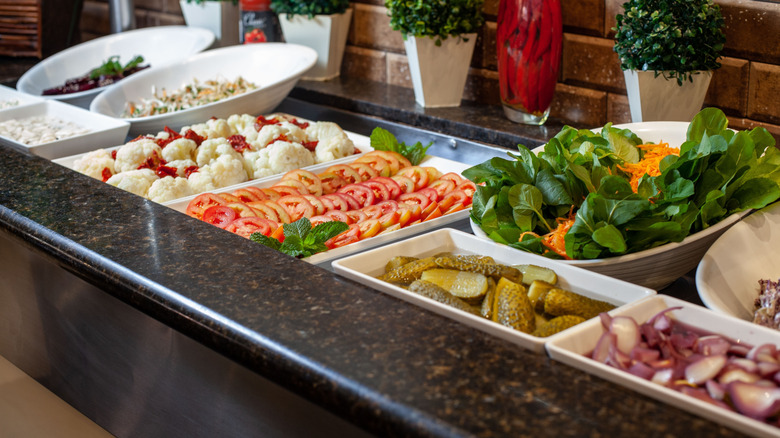
Eating in a restaurant doesn't always have to mean being served by waitstaff (who will then be expecting a tip). In many countries, self-service restaurants are available as an alternative to formal dining, but still give you a chance to enjoy a proper sit-down meal. Rick Steves points out that a great place to find cafeterias is inside large department stores, and uses Galeria Kaufhof in Frankfurt as an example. Self-service cafeterias are often found high up in the building, offering great views of the city you are visiting without the extortionate price that a rooftop restaurant would command.
These places also give you a chance to eat alongside locals in a relaxed environment. The pressure is off, there are no servers hovering to take your plate away when you finish, and you can happily share dishes with the rest of your party without worrying what people might think. If you are planning a big evening meal, a light self-service cafeteria at lunchtime is an excellent option.
3. Eat in your hotel room

If you've spent money on a hotel room for your vacation stay, you can still use this to your advantage to save money on food. While ordering room service can be an expensive move, there is no reason you can't bring food in from outside and enjoy it while you take in the views from your hotel room window.
Instead of seeing it as a budget experience, Rick Steves likes to treat a hotel room dinner as an indoor picnic, and even shared a photo on Facebook of his own improvised meal in Tallinn, Estonia. You'll likely find you have a wealth of food options to choose from when you explore the local area, from takeaway meals to street food or a tasty supermarket sandwich. If you enjoy a drink with dinner, a bottle of wine or beer will be significantly cheaper from a supermarket than in a restaurant, allowing you to save some cash for later in the trip. Plus, it will be the easiest walk home to bed of the whole vacation.
4. Explore the market halls
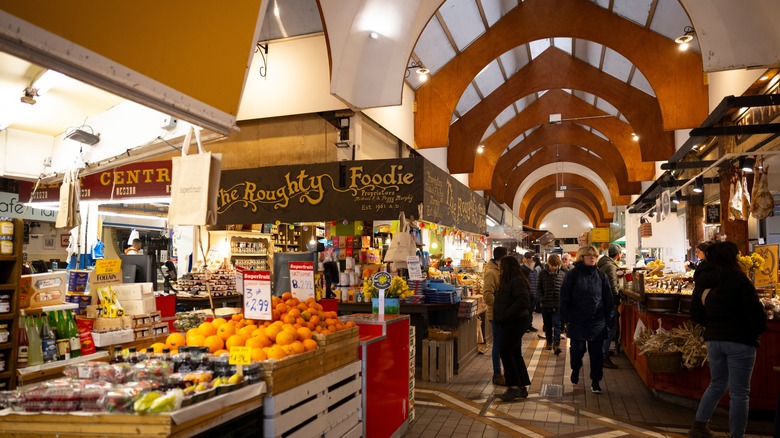
Depending on where you go on vacation, there may be an opportunity to explore food markets, which Rick Steves suggests provide another way of eating cheaply. This is where the locals will buy a lot of their food, and visiting them is a great way to get fresh, seasonal produce at a lower price than in a restaurant. If you're staying in self-catered accommodation that has a refrigerator, you should head to the market halls near the beginning of your trip and stock up on essentials to see you through the week. This means if you want to have a quick breakfast or light lunch without heading out, you will have fresh food available.
Beyond this, part of the fun is wandering around the markets and chatting to the stall-holders about their produce. This will give you a chance to try out the local language, and the vendors may give you suggestions on new foods to try. Whether you're buying ingredients for a picnic or looking to sit down and eat, exploring the market halls will enrich your trip and should save you some money, too.
5. Enjoy a kebab
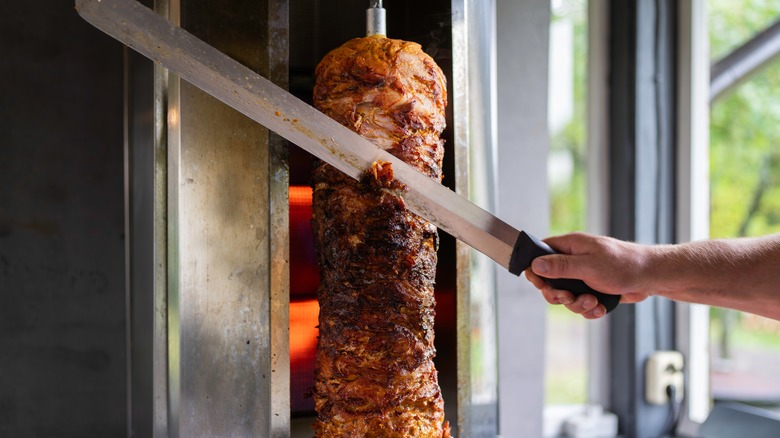
If you're heading to Europe on vacation, you should seek out a kebab at least once during your trip. In countries such as Turkey and Greece, döner kebabs are available almost everywhere you go, but you will also find them in most big cities across Europe, particularly sold as street food.
Rick Steves recommends hunting down a kebab no matter what country you are in, and enjoying a delicious dish of meat and salad stuffed into a pita bread for just a few dollars per person. The sight of a huge piece of meat rotating on a spit, with thin slivers being sliced off for customers as they order, will have your mouth watering before you even reach the stand. Some kebab stalls offer lamb, others chicken or beef, and they are usually drizzled with a deliciously creamy sauce to finish the dish off. Steves recommends heading for busy stands, as these will be the ones popular with locals, and enjoying a budget meal that still keeps your taste buds happy.
6. Fill up on the hotel breakfast if it's included
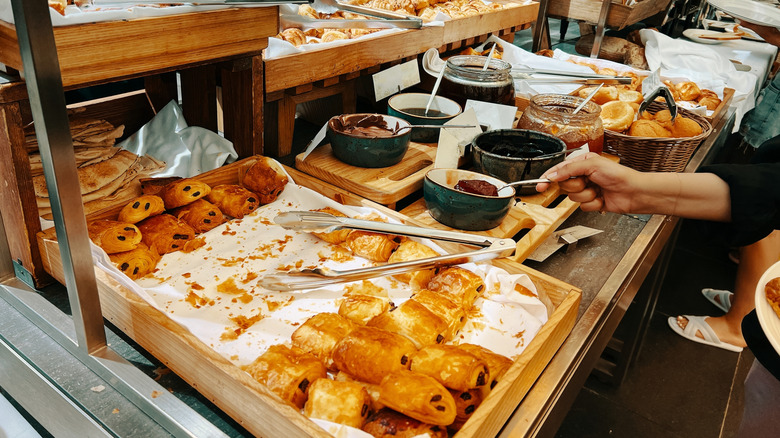
Paying an additional fee for a hotel breakfast is often a false economy, and Rick Steves highlights the continental breakfast in particular as being poor value. However, in Europe, a buffet-style breakfast is often included in the price of the room, and in this case, it provides the perfect opportunity to fill up in the morning and save money later in the day.
A European buffet breakfast usually consists of a wide variety of foods, encompassing cereals and fruits, breads and pastries, and hot foods such as sausages, beans, or even fish. In Scandinavia, the smorgasbord is a popular breakfast option, where a variety of different foods are served. Steves recommends taking advantage of this, as restaurants in Scandinavia can be pretty expensive. Eating well in the morning means that lunch can be a snack or a sandwich, saving you money on food, cover charges, and tips.
7. Seek out a church or university cafeteria
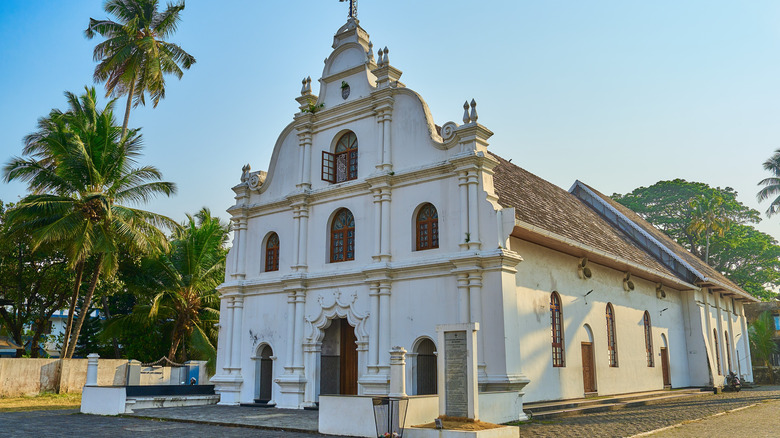
If you really want to save money on food while abroad, you are going to have to think outside the box, as dining at the big flashy restaurant in the center of the square every day is not going to cut it. Rick Steves has a number of cheap suggestions to try, and they may require a bit of exploring.
"Find a cheap, humble cafeteria that's associated with (and subsidized by) a local institution — such as a university, church,[or] hospital," Steves suggests on his website. These places serve food to their patrons at a much reduced rate and are often open to members of the public. While they are unlikely to be serving T-bone steaks or gourmet tasting menus, you will be able to get yourself a bowl of soup or a plate of hearty casserole to see you through a day of sightseeing. Plus, you will get a feel for the real city, as you eat alongside students or locals going about their daily routine.
8. Head three blocks away from the big attractions

When planning a city break, it's easy to imagine sitting in a restaurant in the shadow of famous nearby attractions, taking in the views while you enjoy your dinner. Restaurants in these tourist areas, however, generally have over-inflated prices and long queues, so you may end up paying a lot of money for average food and sub-par service. Rick Steves recommends avoiding these high-traffic areas and heading off the beaten track. The restaurants in the main square of any city or town are paying a fortune in rent, and as the diner, you will be the one paying extra to make up for this. Instead, Steves suggests taking a stroll down one of the back streets and dining where the locals eat.
Steves has three suggestions on what to look for: a handwritten menu, which means it changes based on what ingredients are fresh; a small number of dishes, which means the kitchen is focused on quality, not quantity; and a menu written only in the native language, since the business is trying to appeal to locals, not tourists. This sort of restaurant will often not only serve you a great, authentic meal at a much lower price but will also give you a chance to soak up the atmosphere of the town alongside the people who actually live there.
9. Find a good bakery
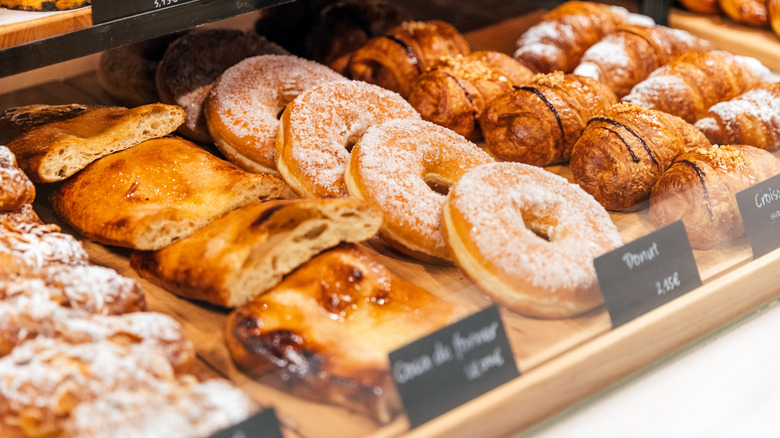
In your quest to find good value food while on vacation, you should widen your search beyond restaurants and cafeterias and keep your eyes open for a good bakery. Sandwiches, pastries, and even pizzas are sold freshly cooked and at a fraction of the price of a sit-down meal, and can offer a satisfying lunch for just a few dollars.
Rick Steves uses an example from Iceland, where you can find soup buffets with unlimited bread in bakeries, which makes for a healthy and filling lunch. Most countries will have their own equivalent bakery specialty, and you can either find somewhere that allows you to sit and enjoy your baked goods on the premises, or order them to go and take a leisurely stroll to the nearest park to enjoy them. Munching on a jambon et fromage baguette sitting on a bench overlooking the Seine can bring just as much joy as eating in a gourmet restaurant facing the Eiffel Tower, and your wallet will be relieved when it comes to paying the check.
10. Eat seasonally
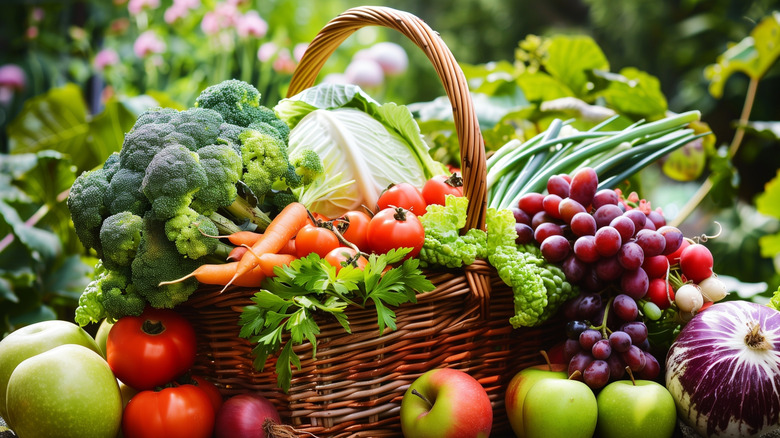
If you've ever noticed that fruits and veggies are much cheaper in the supermarket when they are in season, then you've hit upon a crucial point that could help you save money while on vacation. Eating food that is not available locally costs a lot of money in transportation and refrigeration, and these costs need to be passed on to the consumer.
In many other countries, eating seasonally is standard, especially outside of the tourist zones. Rick Steves points out that eating seasonally when on vacation will allow you to enjoy the same super-fresh produce that the locals are buying from the market in the morning, and it will be kinder to your wallet, too.
If you stick to mostly tourist restaurants, they will usually serve the same dishes all year round to keep visitors happy, but Steves explains that most authentic restaurants change their menus, and particularly their specials, as the seasonal ingredients change. Eating what is grown locally means you can enjoy produce at its freshest, while saving a little money compared to ordering the usual, year-round favorites.
11. Don't always stick to local cuisine
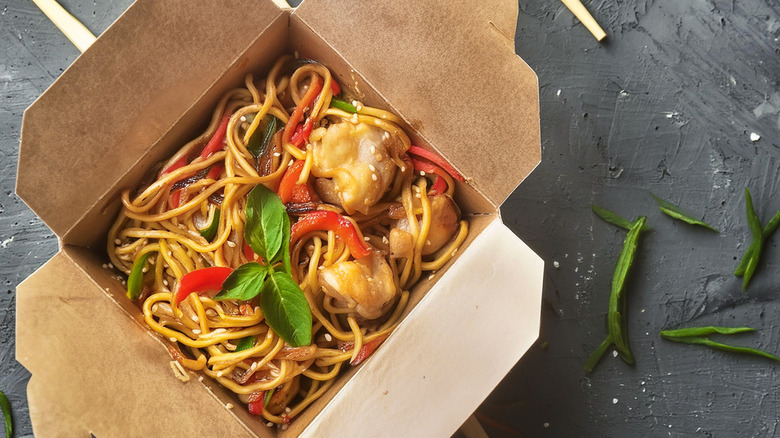
This next tip from Rick Steves may seem to contradict the previous point, but you don't always need to stick to local cuisine when on vacation. Though enjoying a freshly-baked margherita pizza in Florence or traditional paella in Valencia should definitely be on your to-do list, trying different types of cuisine while traveling abroad can benefit both your taste buds and your finances.
Eating international food while on vacation does not have to mean sacrificing quality and flavor. There are many street food stalls in big cities that sell fantastic, tasty international food at very affordable prices compared with local cuisine. Indulging in a few meals like this during your vacation can help to ease the overall financial burden of your trip, as well as expanding your food horizons.
12. For a special meal, avoid Michelin star restaurants
Often, when on vacation, you will be planning at least one special meal, especially if you are visiting a country or city that is known for its top-end cuisine. Your first thought may be to look up the Michelin-star restaurants in the area, but Rick Steves suggests that this is a bad idea if you want to get the best value.
Steves points out that getting into a Michelin-star restaurant can be a challenge in itself, especially if you are on a short trip and can't book a spot weeks in advance. High-end restaurants often require you to dress formally, too, something you may not be happy to do while on a relaxed vacation. Instead, Steves suggests finding out which Michelin-rated restaurants are in the area, as these offer high-end food at a lower price. Often awarded a Bib Gourmand, these restaurants are recommended by Michelin but don't officially have a star. These establishments often serve delicious, gourmet food without the automatic price markup that comes with a Michelin star. You can still enjoy a wonderful meal with top-notch service, without the jaw-dropping bill at the end.
13. Grab a burger
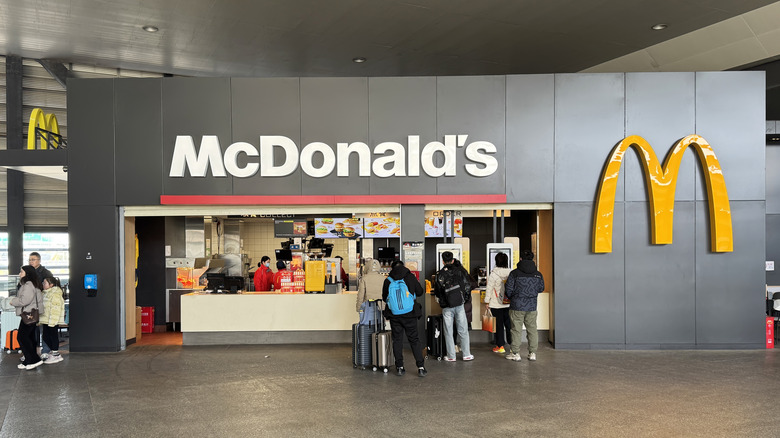
Chances are, you're not planning on eating burgers for dinner every night while on vacation, but they're not a bad option if you really want to reduce your spending while you're away. For afternoons or evenings when you don't really fancy a sit-down meal, grabbing something from a burger joint will allow you to tend to your hunger pangs without parting with too much cash.
Rick Steves points out that you will see some familiar fast food restaurants in pretty much every big city across the world, so finding a chain you recognize shouldn't be difficult. McDonald's can be found on the Champs-Élysées in Paris, La Rambla in Barcelona, and even at Niagara Falls, and the menu will be pretty similar to home, so it represents a cheap and easy option when you have a growling stomach that needs to be dealt with quickly. While fast-food restaurants are unlikely to form the culinary backbone of your trip, snacking on a burger from time to time can help free up some money for gourmet experiences later in your vacation.
14. Stand at the bar for a coffee to avoid paying cover

If you're planning on going for a coffee or a quick drink, you would assume you can just go into a local place and sit down to enjoy it. However, depending on where you are in the world, you may end up paying a lot more than you were expecting just for the luxury of sitting at a table.
In some countries in Europe, billing diners for a cover charge is standard. This is a set charge for each person at the table, normally a few dollars, that covers things like bread with the meal, table service, or occasionally nibbles such as olives or chips. While there is no way to always avoid cover charges when you're sitting down for a meal, if you are only having a quick drink, there is a workaround. Rick Steves suggests drinking at the bar rather than at a table, as the bill will often be cheaper. Sitting at the bar will also give you a chance to chat to the locals and other tourists as you enjoy your beverage before heading off to explore.
15. If you're with a group, opt for sharing plates
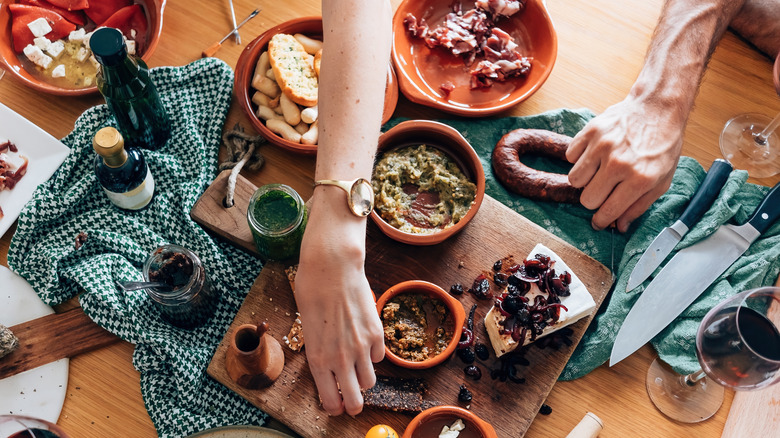
If you want to sample as much of the local cuisine as possible, but don't want to blow the whole week's budget on your first evening, you should try sharing food with the rest of your party. Though many of us feel under pressure in restaurants to follow etiquette and order one dish for each course, Rick Steves explains that there is no requirement to do so, and sharing food among the table is a great way to enhance your experience.
Many cuisines have their own version of "small plate" dining, as Steves points out on his website: "In Spain, you get tapas, in Greece, you get mezze, in Venice, you get the cicchetti. These are all little, tiny sharing plates. And it's just a food festival every night."
Even if you're not in a restaurant with a menu designed for sharing, you can create your own small plate system. Order a different dish for everyone at the table and enjoy it family style once it arrives, or split a few appetizers and entrees. This allows everyone to try new foods and find out what they like without ordering too much. It also leaves more of your vacation budget intact.