

To Get Bright Color And Rich Fruit Flavor In Your Baking, Reach For This Nouveau Pantry Staple
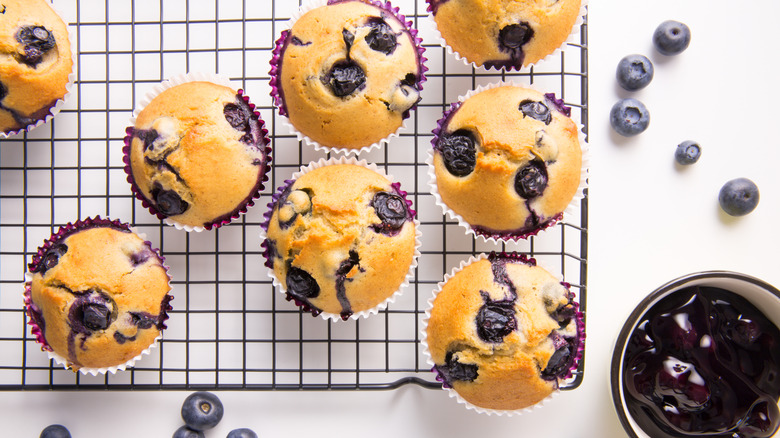
Bakers can be a fastidious bunch — whether a master patissier, baking for a living, or just an enthusiast trying to nail a homemade red velvet cake, they're always striving for that next level of cakey perfection. One frequent sticking point for bakers is how to imbue real, vibrant fruitiness into their bakes — both in terms of color and flavor. Adding a fruity twist to your baked goods often means making sacrifices when it comes to texture, as fresh fruit adds excess moisture and changes the chemical composition of your bake. But there is a way to impart that deliciously fruity flavor, without messing up your cake's consistency. To find out more we had an exclusive conversation with Joy Wilson, a pro baker and cookbook author, also known as Joy the Baker.
The secret? Swap that fresh fruit for a freeze-dried alternative. This brings the intense flavor of fresh fruit, with none of the extra moisture, which can otherwise lead to a soggy bottom. According to Wilson, they have a long shelf life, too, making them easy to keep on hand. They have a "gorgeous natural color (especially if blitzed into powder)," she said — plus, they're super easy to add, requiring "no prep — no peeling, chopping, or sogginess." While freeze-dried fruit isn't perfect by any means (it has a tendency to turn chewy in wet batters, or creamier desserts like a traditional British trifle, and can be both pricier and more fragile than its fresh or frozen counterparts, it's a great way to save time in the kitchen and ensure you won't end up with a wet, underdone dessert.
How to bake with freeze-dried fruit like a pro
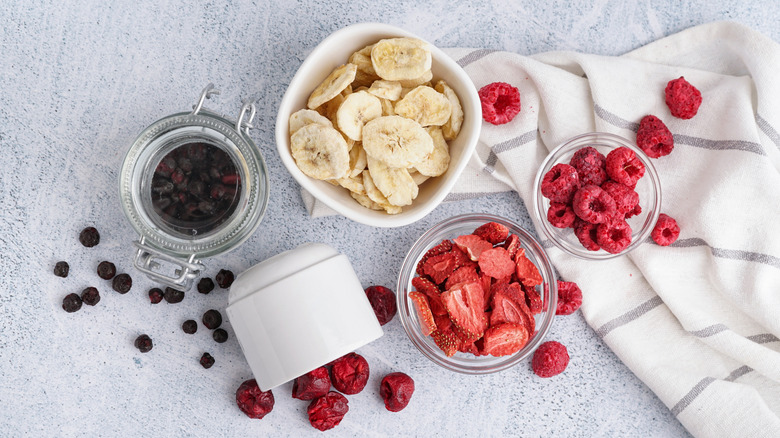
Baking with freeze-dried or dehydrated fruit is much more foolproof than using the fresh alternative, as it doesn't add any additional moisture to the mix. This makes it a go-to for bakers looking for a hassle-free injection of fruity flavor and color to their creations. But that's not the only way you can use it.
In fact, there are a whole host of creative ways to use dried fruit in your baking, often with their own unique benefits when it comes to enhancing (or preserving) the colors, flavors, and textures of your bakes. Joy Wilson recommends crushing your dried fruits into powder, for example. Using a food processor, you can pulverize your fruit into a delicious, vibrant powder, perfect for "bold, natural coloring and flavor in frostings, glazes, or cookie dough. I use freeze dried strawberries in these Strawberry Chai Sugar Cookies," she said.
They're also great when chopped and "folded into buttercream or whipped cream (especially raspberry or strawberry — my favorites)," she recommended. Freeze-dried fruit can also be used as a finishing touch on iced desserts, pressed into ganache on a chocolate cake, or even added to a bar of homemade chocolate "before it sets, for crunch and visual drama," Wilson said. She also recommends blitzing it up and folding it into some cream cheese fillings for bakes like kolaches, or even tossing it with some healthy homemade granola after it has baked "for a pop of color and flavor without moisture drama."
What type of fruit to use — and when
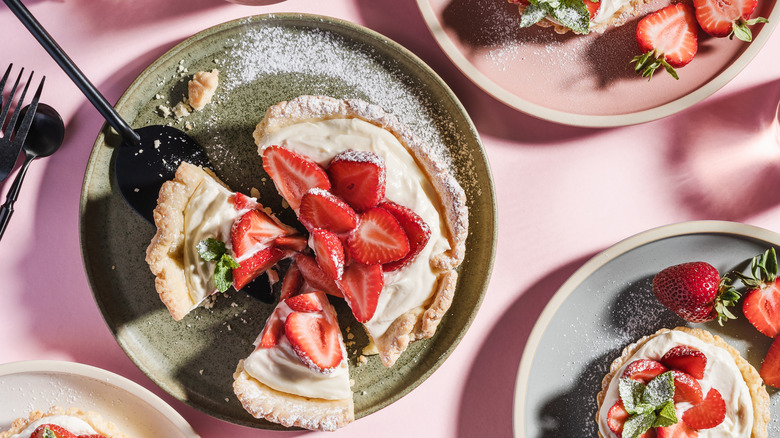
Freeze-dried fruit is a useful ingredient to have in your baking arsenal — that much we've established — but sometimes it might just be better to reach for the fresh stuff. In fact, knowing when to use your freeze-dried fruit is just as useful as knowing how to use it. According to Joy Wilson, it's the best choice when you're after flavor, without any real change in texture, such as when you're making anything that's particularly sensitive to moisture. "[Freeze-dried fruit is] best for dry applications, like frosting, glazes, cookies, where you want flavor without messing with texture," she explained.
You can add it straight into things like frosting or batter, too. "But too much can make things dry or crumbly — start with a few tablespoons and add a splash of milk to the batter or frosting if necessary," Wilson advised. Just be careful when adding whole freeze-dried fruit to wetter batters, and don't overload. "In wetter batters (like banana bread or muffins), they can get chewy," she warned. "You may want to fold them in near the end of mixing and add a touch more liquid if things feel too dry."
When you're making cake, though, you can afford to add a little extra juice into the mix. "[Fresh fruit is] great for baked goods with structure, like pies, cakes, muffins, where you want texture and juiciness," she told us. If you're making any homemade purees or syrups out of your fruit (or buying some pre-made ones from the store), use them for creamy, chilled desserts. "[They're] best for wet or custardy things, like panna cotta, curds, or swirled into cheesecakes, where fruit is folded in, not suspended in batter or dough," Wilson said.