

15 Types Of Salad Dressing Every Veggie Lover Should Know
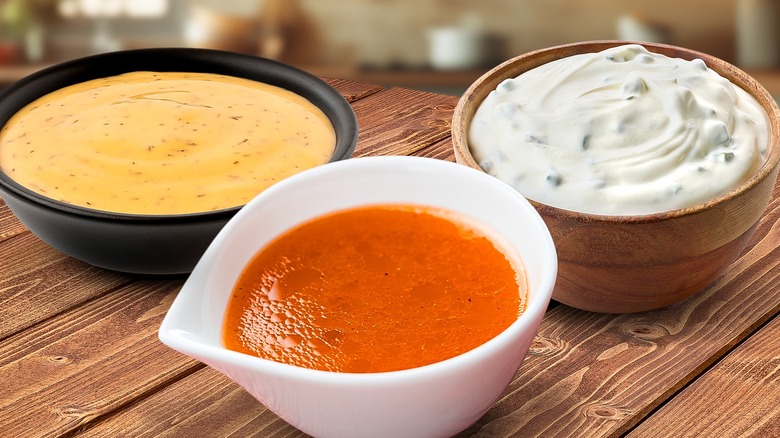
Many of us try to incorporate more salads and vegetables into our day in an effort to pack in more nutrition in the most delicious way possible. A good salad dressing can be the difference between a mediocre vegetable dish and a fantastic one, and there are so many delicious dressing options that go beyond the few that we usually turn to.
Vinaigrette, ranch dressing, and Caesar sauce are all tasty options, and are popular for a reason, but there are plenty of other flavor combinations that can elevate your salads and veggies to create variety throughout the week. From an Asian-inspired sesame ginger dressing that will light up your palate, to a silky green goddess sauce that looks as vibrant as it tastes, varying the dressings you use on your roasted vegetables or green salads means you will never get fed up eating well. Most salad dressings only take minutes to make, so there is no excuse not to be a little more adventurous the next time salad is on the menu.
Whether you are just starting out on a new veggie-packed adventure or you're a seasoned salad specialist, we have you covered. Let's take a look at 15 types of salad dressing that every veggie lover should know.
1. French
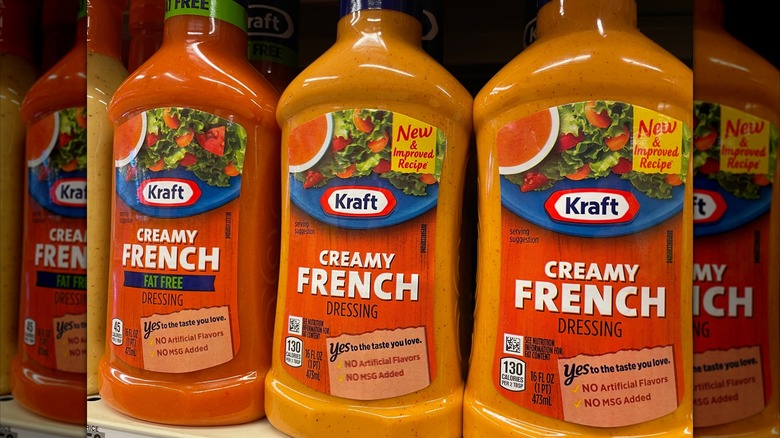
French dressing is a classic sauce, and a great all-rounder, but it actually has different meaning depending on where you are in the world. If you are in or near France, including in the U.K., French dressing is a simple vinaigrette-style dressing, made from olive oil, acid such as lemon juice or vinegar, and Dijon mustard. As it turns out, this was also what French dressing consisted of here in the States too until the middle of last century, when it took a slight departure.
Our version has taken a tomato-y twist, with the addition of ketchup transforming the flavor into a much richer dressing, with some versions incorporating mayo for added creaminess. This dressing is extremely versatile, giving a kick to potato wedges, Buddha bowls, and of course green salads. It also makes an interesting ketchup alternative for veggie burgers or sandwiches, with the spices giving it more punch than the regular version.
2. Ranch
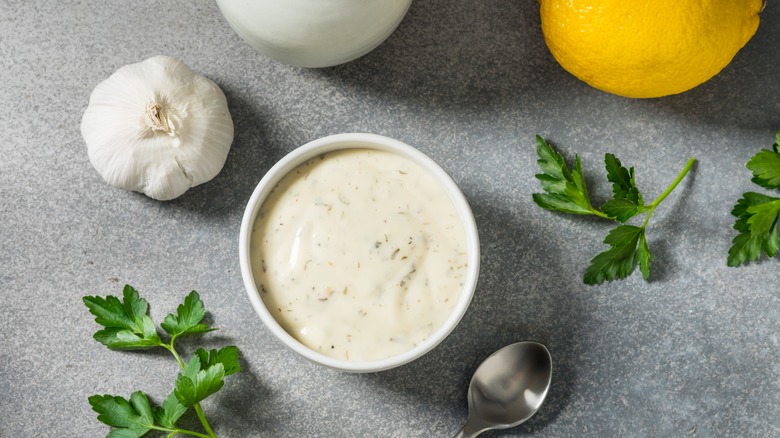
Year after year, ranch takes the title of most popular dressing in America, and it's easy to see why. Creamy, but with bags of flavor, it takes the idea of a salad to delicious new heights, and makes a great addition to other veggies, too.
A classic ranch dressing takes creamy elements such as mayonnaise and sour cream, and elevates them with tang from buttermilk, lemon juice, and plenty of herbs and spices. If you are making it yourself, Worcestershire sauce is an excellent addition to ranch dressing, adding a deep umami flavor that takes it to another level. It's worth remembering that the anchovies in the Worcestershire sauce mean it's not vegetarian.
It's hard to think of a vegetable that wouldn't benefit from the addition of ranch dressing. Carrot sticks, sweet potato wedges, and cucumber slices all taste great dipped in the creamy sauce, and it contrasts really well with bitter green salad leaves. Ranch is a salad dressing you should always have on hand for whenever the craving strikes for crunchy veggies smothered in the rich, creamy sauce.
3. Italian
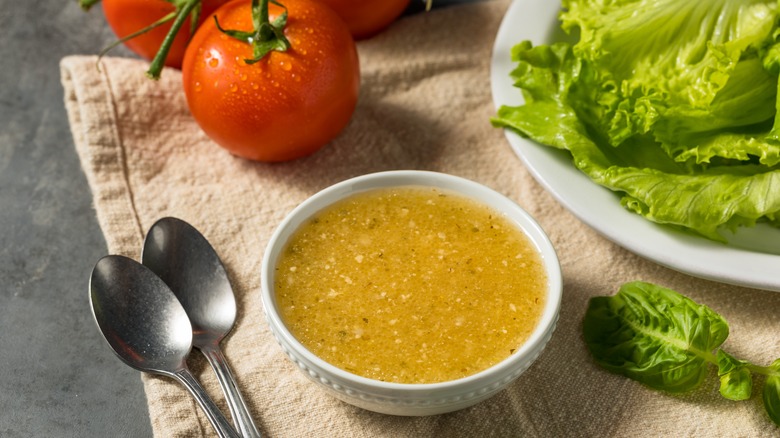
If you fancy adding a Mediterranean flourish to your salad or veggies, whipping up a quick Italian dressing is the fastest way to transport yourself there. Containing classic Italian flavors from the herbs, it's a dressing that can be used on various dishes to give them a vibrant lift.
The key to a good Italian dressing is to use good quality olive oil. Extra virgin is the gold standard, and its thick texture and deep green color will add a richness to the dressing. Garlic gives it the pungent flavor that is so reminiscent of Italian cuisine, and fresh or dried herbs such as oregano, basil, or rosemary give it aromatic notes. A balance of lemon juice and honey create a dressing with just the right amount of sweetness and acidity to enhance whatever dishes you choose. Italian dressing was made for drizzling over roasted veggies such as peppers, butternut squash, or zucchini, or a fresh salad with plump tomatoes and briny olives.
4. Vinaigrette
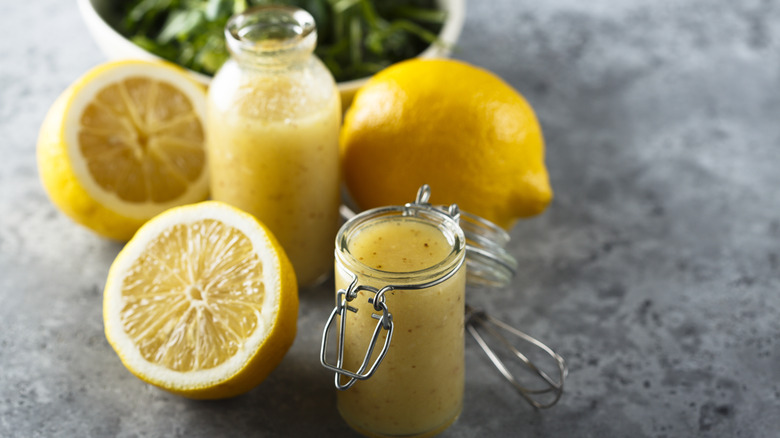
If you're served a salad in a restaurant with an unspecified "dressing," chances are it's based on a classic vinaigrette. Tangy, with the right amount of sweetness, it complements the salad leaves perfectly. There are many different variations on a vinaigrette, but they are mostly based around the same, classic base.
Olive oil is whisked with a vinegar of your choice — white wine, red wine, and balsamic are the most popular, but there are many other great ones. A little Dijon mustard for heat, and honey for sweetness make sure that the flavors are balanced, and salt and pepper can then be added as seasoning. This basic mixture will give you brilliantly zingy dressing on its own that can finish off a salad beautifully, but you can also get creative with taking the vinaigrette in different directions.
If you want to up the acidity, you can add lemon juice, which will make a great dressing to go with asparagus or sweet potatoes. For a sweeter addition to the dressing, try adding maple syrup or pomegranates. However you decide to mix up your vinaigrette, it will make a great topping for most salads and is a reliable option that can be whipped up in just a few minutes.
5. Caesar
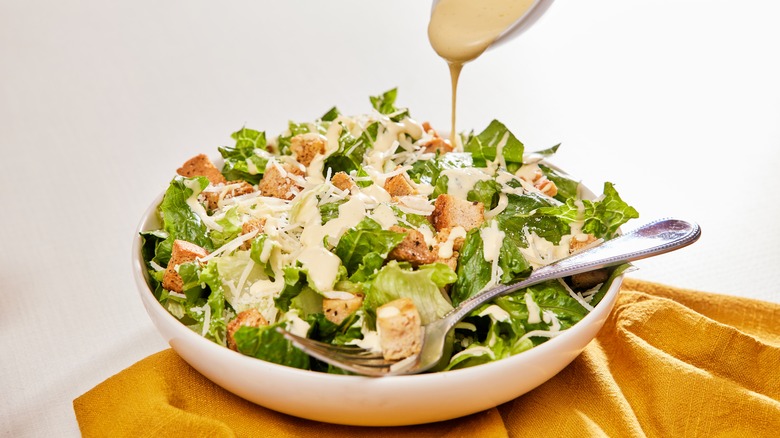
Caesar dressing is a creamy, luxurious sauce that makes it easy to choose salad for dinner. Rich in umami notes from the anchovies and Parmesan cheese, it's famously added to a chicken salad, but makes a great dressing or dip for all sorts of other foods.
Traditionally, a Caesar dressing is made with egg yolks, oil, lemon juice, and Parmesan, which come together to create the silky, rich dressing. Chopped anchovies and raw garlic are added to create the distinctive bold flavor that makes this dressing so popular. Once drizzled over crisp baby gem lettuce and topped with crunchy croutons, you have a dish that manages to be both healthy and indulgent in the same mouthful.
But Caesar dressing is capable of much more than simply salads — it's incredibly versatile and there are very few savory items it won't go with. From dipping sweet potato wedges to using it in place of mayo in a tuna sandwich, there are many creative ways you can use this delicious sauce. Once you try a few, you will have even more reason to whip up a creamy Caesar dressing on a regular basis.
6. Honey mustard
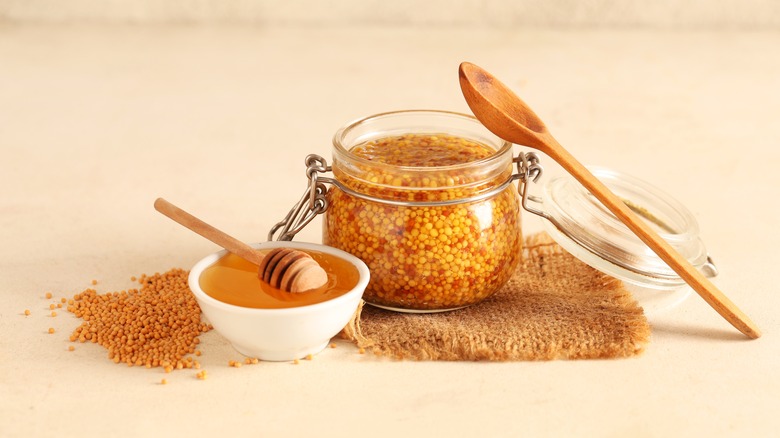
If you love the contrast of sweet and spicy in your salad dressings, then honey mustard will be a treat for your palate. Honey on its own in a dressing can be cloyingly sweet, but the bold mustard flavor is the balance it needs, creating a complex layer of flavors that will elevate whatever salad or veggies you choose to drizzle it over.
The basic recipe calls for honey and mustard, obviously, with apple cider vinegar and extra virgin olive oil completing the mixture. You can adapt the heat by switching up the type of mustard you use — English mustard will make it more fiery while American mustard will mellow it — but Dijon mustard gives a great balance that is punchy enough without burning your taste buds.
Honey mustard dressing is excellent with roasted veggies, using it either as a marinade before cooking them, or drizzled over the finished vegetables. As well as the usuals such as carrots, peppers, and sweet potatoes, try honey mustard Brussels sprouts or radicchio, as the dressing will balance the bitterness and make them utterly irresistible.
7. Green goddess
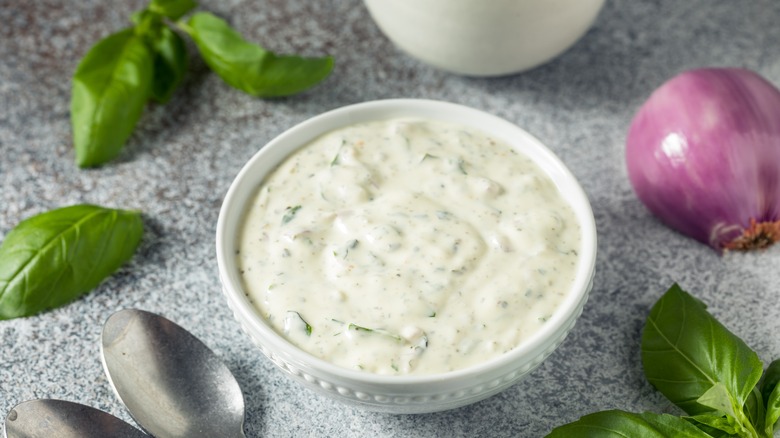
The clue is in the name with this next salad dressing — with its silky texture and vibrant flavor, it's a divine addition to any salad or veggies. It was reportedly invented in the early 20th century in San Francisco, but it has had a resurgence in recent years, and our taste buds are glad for its well-deserved comeback.
Usually made with mayonnaise, either sour cream or yogurt, and an abundance of herbs including parsley and tarragon, green goddess dressing is rich but packed with bright flavors, making it the ideal sauce to add to a fresh salad. The beautiful green color means it can make any dish pop when drizzled over the top, and your salads will look more Insta-ready than ever.
If you are making green goddess dressing from scratch, you may as well make a large batch that you can use throughout the week. Replace your usual mayo on sandwiches, in potato salads, and as a dip for veggies and chips, then enjoy the unique aromatic flavors that come with every mouthful.
8. Russian
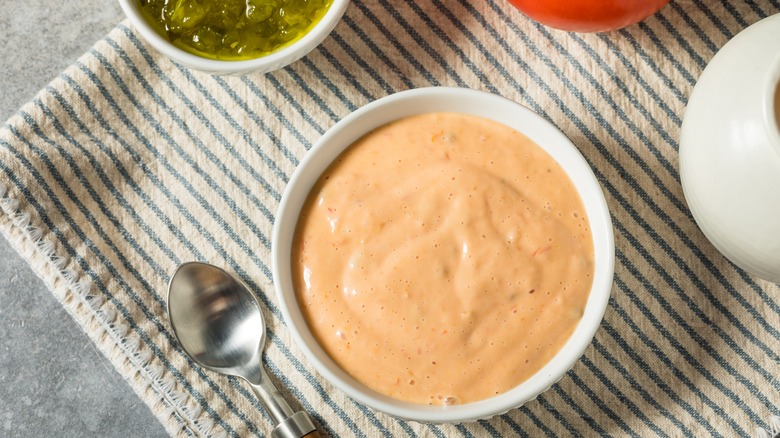
Russian salad dressing is sometimes confused with Thousand Island, and they do have similar creamy-tomato vibes, but it deserves attention in its own right. In addition to the classic ketchup and mayonnaise combo, Russian dressing also adds horseradish and paprika, giving it a signature kick that its more mellow counterpart is lacking.
The most common place you will find Russian dressing is on the delicious Reuben sandwich, where it's paired with corned beef, Swiss cheese, and sauerkraut. The salty meat, rich cheese, and pickled flavor of the sauerkraut are all balanced beautifully with the creamy dressing, making a sandwich that is packed with savory flavor.
Russian dressing has many more appetizing uses though, and it shouldn't be overlooked as a tangy dip. Whether you want to pair it with crudités, sweet potato wedges, or even seafood, it will brighten up the flavor while still providing a creamy indulgence. Of course, it works brilliantly with a salad, giving a sumptuous edge to the green leaves and vegetables.
9. Balsamic
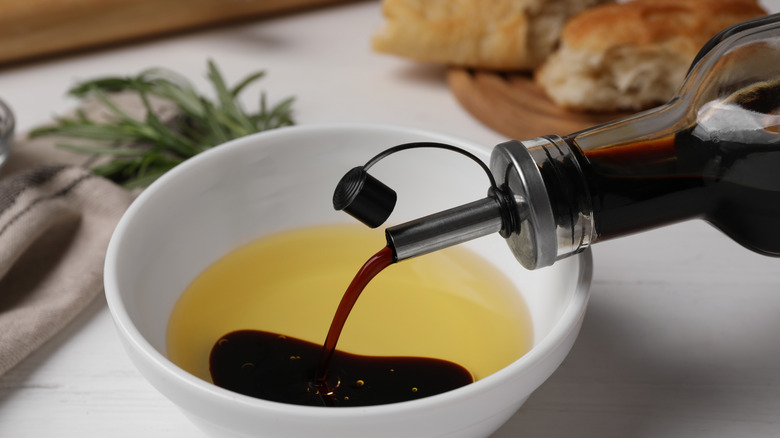
If you fancy a vinaigrette-style dressing that has a little something extra to give, balsamic dressing is the upgrade you need. With the same tangy notes of a regular vinaigrette, but with added richness from the Italian vinegar, it's a brilliant dressing for salads and veggies alike.
For a truly delicious vinaigrette, use a true Aceto Balsamico from Modena. This authentic vinegar is more syrupy than the regular version from the grocery store, and will make a big difference to both the texture and flavor. If you can't get a hold of the aged version — or if your wallet objects too much to its high-end price tag — you can reduce some regular balsamic on the stove until it thickens to a more viscous consistency. Add some high-quality olive oil, a dash of mustard and some seasoning, and you will have a luxurious and delicious dressing. It makes a tasty marinade for meat and fish as well as vegetables, and can even be drizzled over fruit before you bake it.
10. Sesame ginger
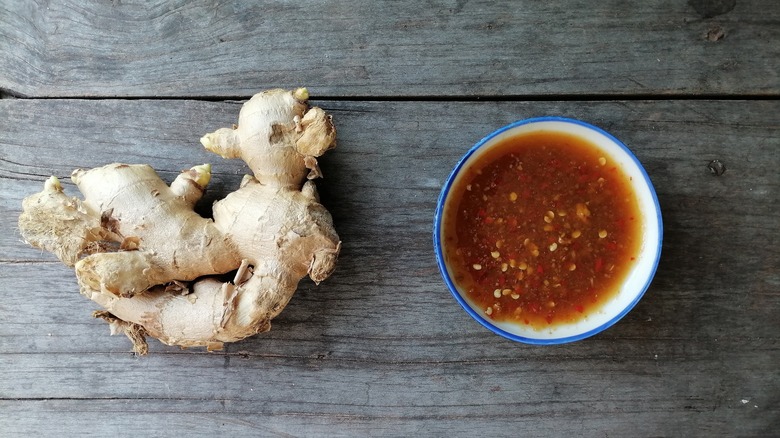
If you love the flavors of Asian cuisine, adding a dressing to your salads that's inspired by the same elements is an excellent way to elevate your veggie dishes. Sesame oil is the base of many Asian sauces, and adding fresh ginger is a tasty way to freshen things up with a fiery touch that isn't overpowering.
For a perfectly balanced dressing, pair the sesame oil and grated ginger with soy sauce to add saltiness, vinegar for tang, and garlic for a robust punch. Honey or maple syrup is usually added to create the signature savory-sweet combination that makes Asian salads so irresistible. If you like your dressings on the creamy side, adding tahini can incorporate a luxurious element while strengthening the sesame flavor.
A classic Asian salad is packed with colorful crunchy veggies such as thinly sliced carrots, bell peppers, and onions, but you can add literally any vegetables that you enjoy into the mix. Drizzling the sesame ginger dressing over the top will pull everything together and provide a glossy, umami-packed coating for each mouthful.
11. Thousand Island
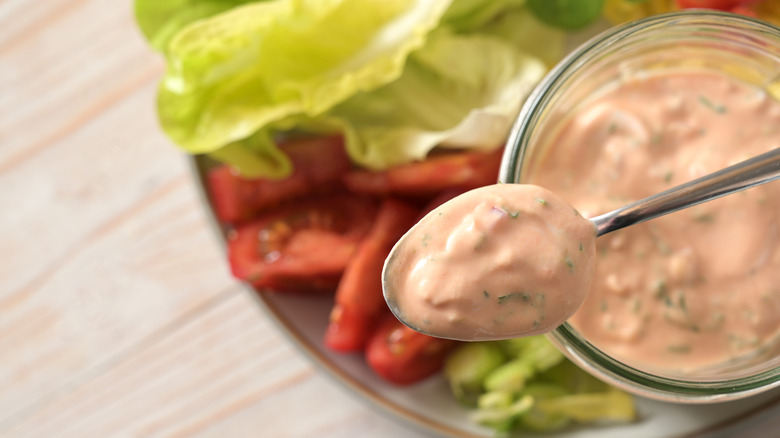
Thousand Island dressing is an underrated option that is actually pretty versatile, and can match up with many different foods. Its similarity to Russian dressing can't be ignored, but the sweeter notes running through it give it a different flavor profile.
The name of the dressing supposedly comes from the Thousand Islands of New York State and the fact that the chunks throughout the sauce resembled a thousand islands. No matter where its origins lie, the dressing has been around for nearly a century, and is still a great option for salads and veggies.
For the simplest version of the classic recipe, add mayonnaise, ketchup, and some sweet pickle relish, before finely grating on onion for a bit of spicy tang. Hard-boiled egg is often added to the sauce to thicken it and give it a chunky texture, but if you want a smoother version, you can leave it out.
Once you have made up a batch of Thousand Island dressing, you can use it in multiple ways throughout the week. It makes an excellent dip for cooked wedges or raw veggies, but can also be drizzled over steamed fish or roast chicken to provide a creamy sauce with a zingy touch.
12. Tahini
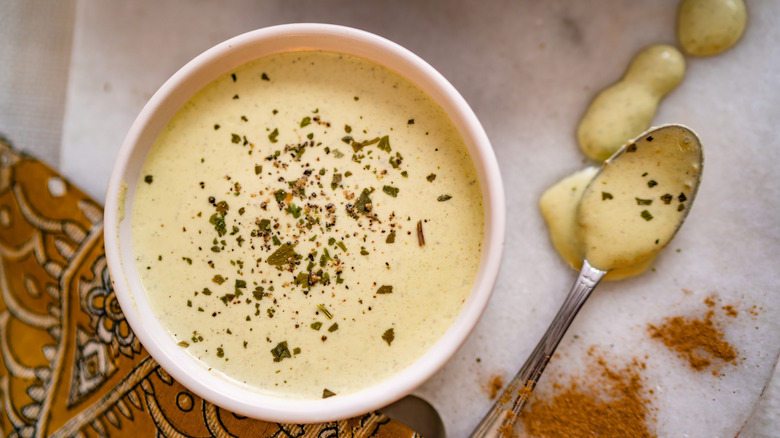
Though tahini is an ingredient that is often added to other sauces and dressings, its flavor is bold enough that it can be transformed into a dressing of its own. The addition of olive oil, lemon juice, and seasoning turn tahini into a pourable sauce that your veggies will love.
Sesame flavors abound in both Asian cuisine and Middle Eastern dishes, so a tahini dressing will complement a huge variety of dishes. The earthy, nutty flavor from the sesame seeds complements root vegetables and grains, and the kick from the lemon juice and optional garlic adds a brightness that will transform a green leafy salad.
If you are serving a sharing platter, you can turn your tahini salad dressing into a delicious dip for pitas or crudités. A sprinkling of paprika over the top of the dipping bowl will add the right amount of spice to balance the mellow notes of the silky tahini dip.
13. Miso
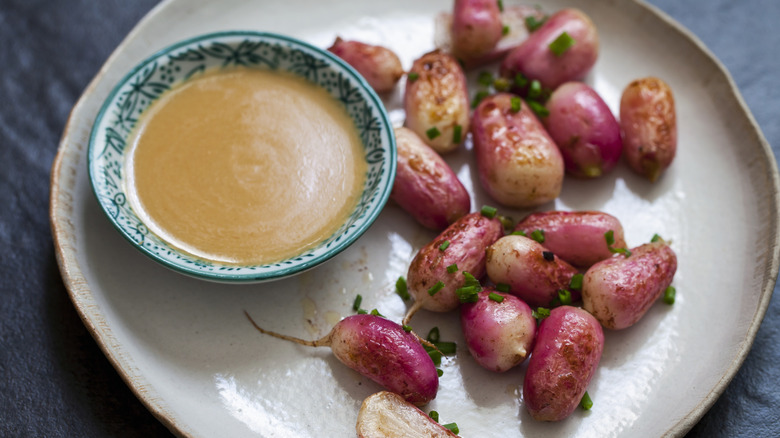
If your taste buds are craving some umami on your salads, then miso dressing will have them tingling with anticipation. Made from fermented soybeans, miso paste is a regular feature in Japanese cuisine, and makes a delicious dressing for all sorts of veggies.
The first choice to make for a miso dressing is the type of miso. Although there are many varieties, there are two that are readily available in the States. Shiro miso is known as white miso, and has a milder flavor due to the shorter fermentation time. Aka miso is referred to as red miso, and has a much more pungent taste. White miso is a more common choice for dressings, but red will work if you are looking for a more intense burst of umami.
Once you have chosen your miso, mix it with rice vinegar, sesame oil, and lime juice. Add a little honey to balance the acidity, and some finely grated fresh ginger for a fiery pop. The bold flavor of miso dressing makes it a perfect match for hearty vegetables such as cabbage, Brussels sprouts, and root veggies, or use it as a tasty marinade for meat, fish, or tofu.
14. Cilantro lime
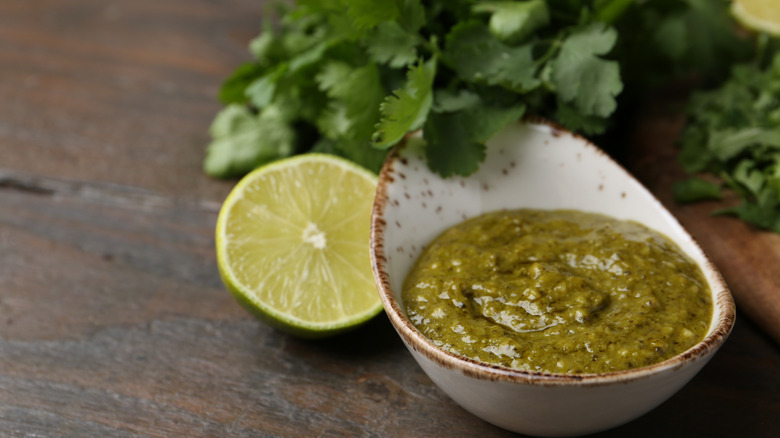
To turn your salads into a vibrant fiesta, add some homemade cilantro lime dressing. This dressing is a great fit for any dishes with a Tex-Mex or Mexican vibe, but its zingy flavors mean it can pair with a variety of cuisines.
If you are preparing food for others, you may want to check if they like cilantro before you prepare this dressing. There is actually a genetic factor in which certain people find that the herb tastes like soap, so if you previously thought they were just being fussy, you may want to double-check! Otherwise, this fresh herb is going to be the star of the show, so be sure to chop plenty of it.
Add the chopped cilantro to olive oil, freshly squeezed lime juice, and garlic, creating a dressing that has so many punchy flavors. If you fancy a bit of heat, add thinly sliced jalapeños, or to sweeten it up, choose some honey. The beauty of this dressing is that it can handle plenty of variations, so if you want a creamy version, don't hesitate to upgrade it with yogurt. Once you've whisked the dressing up, add it to corn salads, grilled meat, or even drizzle over tacos or fajitas. It's incredibly versatile and will add a touch of sunshine to any weeknight meal.
15. Blue cheese
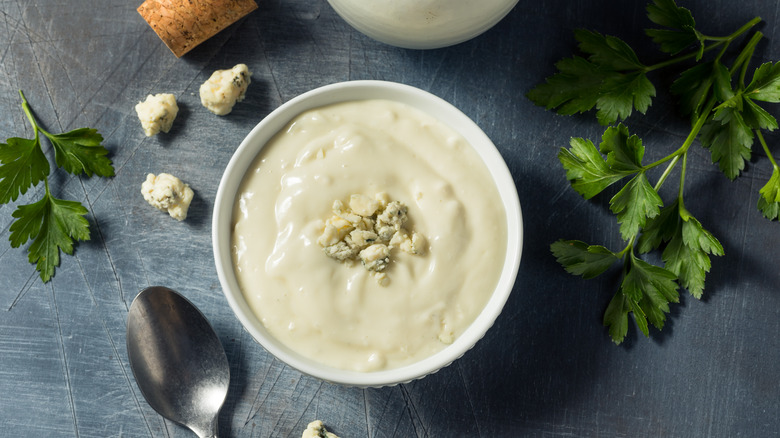
Blue cheese dressing is one that splits the crowd, but if you're a fan of the salty, savory notes the cheese adds, it's a knockout sauce that can elevate many dishes. The classic version is creamy and rich, and the tang from the cheese balances it superbly.
To make your own, start with mayonnaise and sour cream, and crumble in your blue cheese of choice. If you are a bit hesitant, you can choose a mellower option such as gorgonzola dolce, which is a creamy cheese with just enough blue running through it to give you the distinctive umami hit. For blue cheese fanatics, go big with a super strong Stilton that will hit the taste buds hard. A little vinegar and sugar are often added to balance the robust cheesy flavor, but don't add salt until you have tasted it, as the blue cheese may already have provided enough.
As well as pouring it onto crunchy green salad, you can use the blue cheese dressing as a dip or sauce. It famously pairs well with chicken wings, and can even make a great condiment to add to a roast beef or steak sandwich. It can also serve as a sauce to drizzle over roasted veggies, especially bitter ones like Brussels sprouts or cabbage, where the creamy dressing can make a healthy side dish seem so indulgent.