

Overcooked Lobster Isn't A Lost Cause: Here's How To Repurpose It
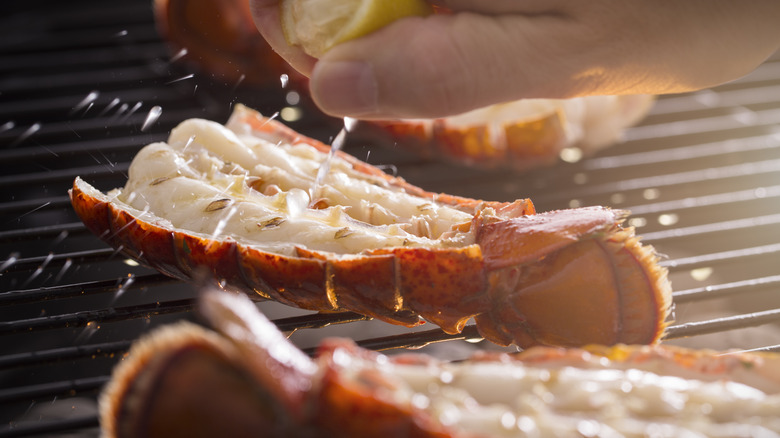
Lobster has had an interesting trajectory over the centuries, eventually earning a place in the culinary world not just as a meal but a luxury experience. From going to the seafood market to pick out your dinner (here's why the biggest lobster isn't necessarily the best), all the way down to the elaborate dining with bibs and crackers, the last thing anyone wants to do is overcook their lobster and derail the delicious adventure. But if you do find yourself in the unfortunate situation, overcooked lobster does not have to be a lost cause. Chowhound talked to Jeremy Blutstein, executive chef of Mavericks Montauk and Shark Bar Montauk in New York, about what to do if overcooking happens to you. He suggests turning the mistake into something gourmet.
"If you want to really impress, putting the overcooked lobster through a meat grinder and emulsifying it with a scallop mousse into pork casings is a move I've made before," he says. "It's a great way to repurpose cooked lobsters after banquet events." Alternatively, Blutstein says the meat can be used to add to fish or crab cakes; though a little more expensive, it will at least allow you to salvage the overcooked meat.
How to avoid overcooking lobster
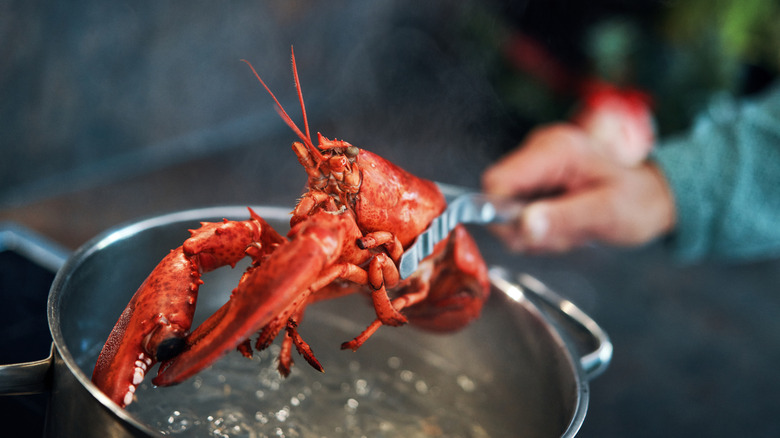
Cooking your lobster for too long is an irreversible mistake, so it's best to be vigilant when preparing your crustaceans. "Over cooking lobster often results in stringy and mushy textures that there's no coming back from," chef Jeremy Blutstein says. "Own it, learn from it, and ideally don't do it again." While you can put his suggestions for transforming the overcooked seafood to the test, it's always best to avoid the culinary faux pas altogether.
Whether you are boiling, steaming, or grilling your lobster, it's important to keep a close eye on the crustacean and know the signs of when it is perfectly cooked. When boiling lobster, exact cooking time varies based on its weight, but you can tell if it is ready by pulling on an antenna or small leg to see if they easily separate from the body. Otherwise, it's best to use a meat thermometer. Lobster meat is done when it hits between 135 and 140 degrees Fahrenheit. The best way to test the temperature is to place the thermometer inside the bottom side of the thickest part of the tail. Lobster meat should be white when it's cooked. It's okay to separate the tail from the body to check to see if the meat has turned white. If there is any translucency to the tail meat, continue cooking your lobster and then check again after a minute or so.