

The Absolute Best Type Of Food Coloring To Use For Chocolate

Chocolate isn't just delicious; it's also an incredibly versatile cooking tool. Whether you're baking with chocolate, using it as a coating for fruits or snack foods, or even making your own candies, there are endless applications for the sweet stuff — and endless reasons you might want to get food coloring in the mix. After all, regular old brown chocolate is a tasty classic, but adding a pop of color to your treats takes them to another level. However, coloring chocolate can be tricky. Using the right kind of food coloring is imperative; even then, most colors don't show up in dark-hued chocolate. That's why Chowhound spoke to expert Nicole Patel, founder of the award-winning gourmet chocolate company Delysia Chocolatier (@delysia_choc on Instagram), for her best chocolate-coloring advice.
Firstly, whatever you do, stay away from water-based dyes; these can seize chocolate and ruin its texture. Additionally, Patel says white and dark chocolate require different coloring techniques, which is vital to keep in mind for a successful confectionary project. "White chocolate can be colored with oil-based or powdered food coloring because its pale base allows the color to show vividly," Patel explains. "Milk and dark chocolate, however, are too deeply pigmented for traditional food coloring to make an impact." Therefore, she advises it's best to add color to milk or dark chocolate using colored cocoa butter, typically by spraying or applying it with an airbrush. "This method preserves the chocolate's texture and shine while delivering vibrant, precise hues," she says.
Why and how to dye white chocolate
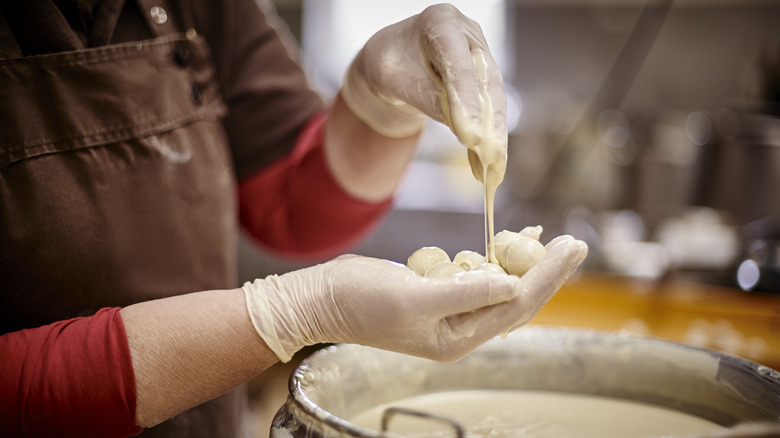
Because white chocolate is much easier to dye, it's your best bet for making colorful cocoa-flavored treats. Some question whether white chocolate is even real chocolate, but legally it is as long as it contains at least 20% cocoa butter. The presence of cocoa butter also sets it apart from candy melts, another common choice for colorful sweets that Nicole Patel says offer convenience but lack in flavor and texture. Instead, she recommends dyeing white chocolate, which allows you to "maintain control over hue, intensity, and subtlety while preserving the chocolate's natural creaminess, texture, and temper."
Always opt for either oil-based or powdered food dyes over water-based ones, which Patel says can turn your chocolate "grainy and unworkable." In contrast, oil-based or powdered colors "integrate seamlessly, preserving the smooth, glossy texture and allowing for precise, vibrant hues." It's essential to carefully temper white chocolate when adding color to avoid altering its texture. Fold in your color slowly "to ensure even distribution without lowering the temperature too quickly," Patel advises. Work in small batches if needed.
Patel adds that "not all colors behave equally in white chocolate. Bright, saturated hues... tend to show up more vividly, while softer pastels may require more careful layering or multiple additions of powdered or oil-based coloring to achieve opacity," she says. While you want to achieve vibrant color, you don't want to risk adding too much dye and altering the flavor: "Careful moderation ensures both vibrant hue and the chocolate's natural creaminess remain intact."