

How Restaurants Manage To Serve Perfectly Ripe Avocados Every Time
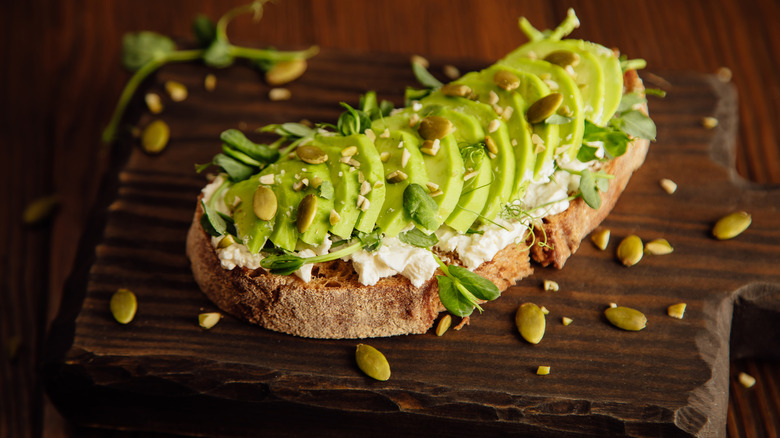
Cooking with avocados at home is a famously fickle task. If you don't have the time or know-how to properly ripen them, you end up with hard, flavorless hockey pucks that are nowhere near guacamole-ready when you need them. Even more maddeningly, once they are ripe, these green fruits appear to brown and rot in the blink of an eye. On the other hand, eating avocado at a restaurant never seems to come with these issues. Whether you're ordering overpriced avocado toast, a tasty salad, or a side of guac, you'd expect to be served a plate that's bright green and perfectly ripe — and if you weren't, you'd probably send it back.
So how do restaurants manage this impossible feat? Do all commercial kitchens have some kind of avocado ripening device we laymen don't know about? Not exactly. According to chef Justin Mosel, the executive director of culinary at Rubio's Coastal Grill, the secret is in the tactics of the avocado suppliers that restaurants have access to. "Restaurants are generally able to deliver on consistent ripeness because the fruit purchased from major distributors is pre-treated with ethylene gas," he informs us.
Ethylene, a natural hormone present in all fruits, is the key to ripening any avocado — which is why storing avocados in a paper bag with other fruits helps them ripen faster. But in commercial avocado production, its usage is taken a step further, Mosel says: "Ethylene gas is captured from the avocado, concentrated, and applied back in order to control ripening."
Why your grocery store avocados aren't cutting it
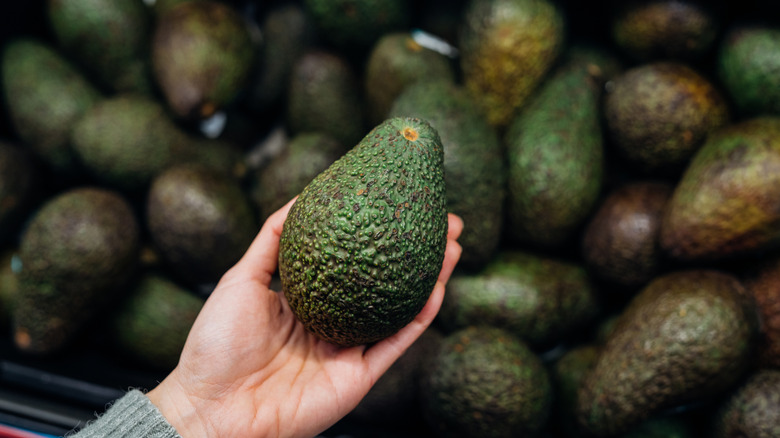
If pre-treating avocados with concentrated ethylene gas results in instantly ripe and flavorful fruits, then why are the ones we buy from the supermarket not given the same treatment? Because of timing differences, chef Justin Mosel explains. Avocados from the grocery store are generally left untreated because they are "designed to sit on the shelves for an extended period of time, hence the variability in ripeness," he says. In contrast, avocados sourced for commercial use are typically meant to be used immediately.
Unfortunately, most of us don't have access to concentrated ethylene gas, but there are still ways to mimic restaurant quality by ripening avocado quickly and keeping it fresh for longer. Mosel advises that unripe avocados should be left out at room temperature and enclosed in a bag, "so natural ethylene gas can be captured and put to work." On the flip side, refrigeration will slow the ripening process.
According to Mosel, restaurants must serve avocado quickly after slicing or mashing it. Sliced avocado should be used within two hours, he says, while "further processed" fruit, such as guacamole, should be stored at a temperature at or below 41 degrees Fahrenheit for no more than 24 hours. "Air is the enemy to avocado, so keep it sealed," he says. While some use tricks like lemon juice or alcohol to try and keep their open avocados fresh, Mosel's recommendation is to "simply cover processed avocado with plastic wrap, foil or a lid — anything to keep the air out and off of it."