

Make Sure You Unplug These Kitchen Appliances If A Storm Is On The Way
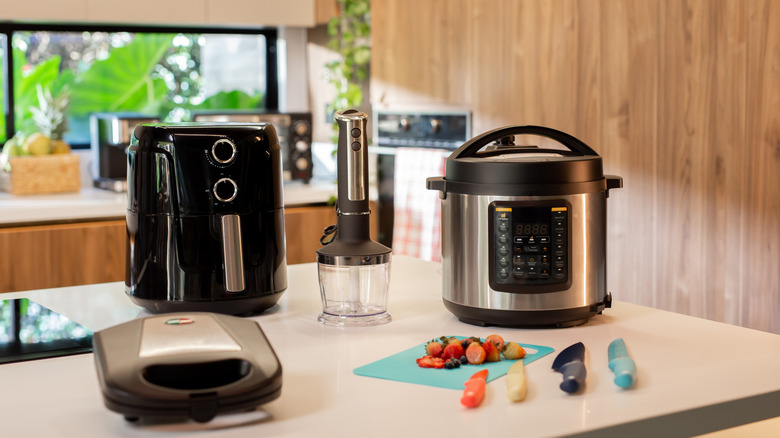
Whether you're the sort of person who tracks incoming storms minute by minute or are unbothered enough to have special tools for safely grilling in the rain, there are certain safety precautions everyone should abide by when thunder begins to rumble. While a light drizzle or even a healthy downpour likely pose little threat to your safety, storms with high winds and severe lightning may. These weather events can not only cause exterior property damage, but also power surges that can wreak havoc on your kitchen appliances by shorting them out, or even starting electrical fires inside your home.
Power surges occur when lightning either strikes power lines directly or makes contact with the ground or objects nearby. The excess voltage can surge through the power lines into homes and other buildings, causing lights and small electronics to burn out and break or catch fire. For this reason, it's best to unplug your artfully mixed and matched kitchen appliances as soon as you confirm a storm is on its way. Never unplug anything during a storm to remain safe from unexpected surges — it's better to lose your reasonably priced toaster than to suffer a serious electric shock.
In addition to toasters, you can also pull the plug on other small appliances, including: coffee makers, air fryers, toaster ovens, microwaves, stand mixers, blenders, slow cookers, and multi-cookers, like the Instant Pot that helped you perfect your favorite salmon recipe. If it's small enough to sit on your countertop, unplug it before lightning strikes.
What can stay plugged in, plus more safety tips
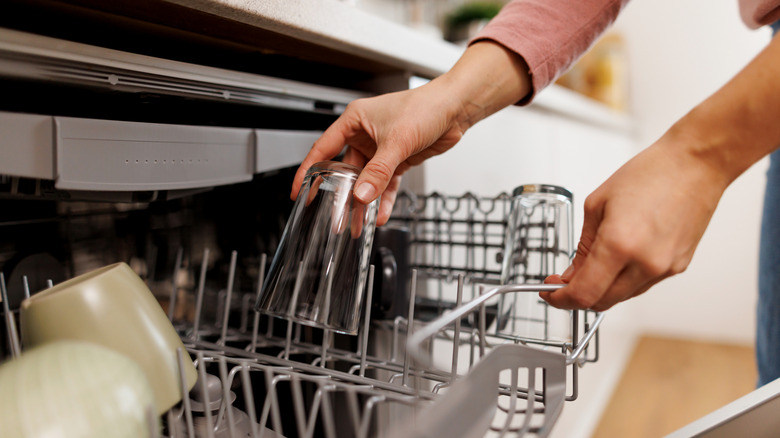
Unless you're preparing for your home to withstand hurricane-level storms, there's really no need to unplug larger appliances, including your stove or oven, refrigerator, or dishwasher. Since they're larger and meant to remain stationary, most models are designed to weather a power surge without taking on any damage. However, it's a safety best practice to keep a small fire extinguisher in your kitchen, especially if your large appliances, wiring, or outlets are slightly older.
Additionally, it's also best to avoid using your dishwasher or other sources of water in your kitchen (and elsewhere) while a storm is active and nearby. Metal plumbing is an excellent conductor of electricity and, as we all know, water and electricity is a very dangerous combination. If you typically hand wash your dishes, do so (if possible) before the storm begins. The same goes for running your dishwasher, though if you're not confident it'll finish cycling before the rain starts, it's best to wait.
It's also worth noting that if you use surge protectors for your kitchen appliances, this is unsafe in general, but especially during a storm. Surge protectors aren't durable enough to protect robust kitchen appliances from power surges, not to mention the dangers of overloading these finicky power strips. Stick to plugging your kitchen appliances directly into an outlet when in use, and unplug them when you're not using them. This not only keeps you storm-ready, it can also reduce your electric bill over time.