

What To Keep In Mind When Creating Your Own Recipes
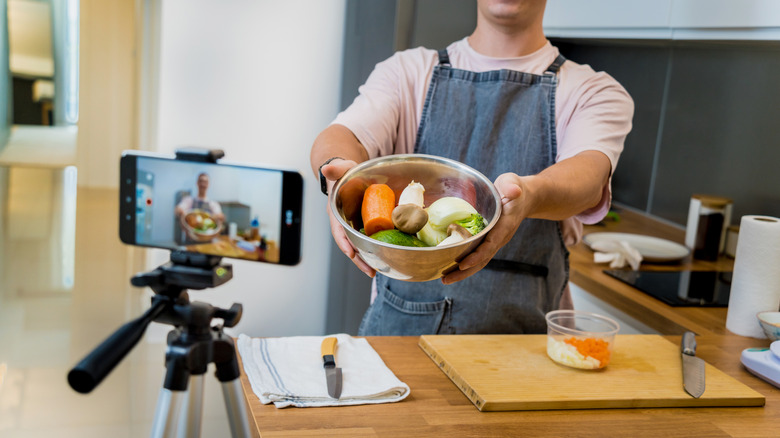
For those of us most comfortable in the kitchen with a cookbook under our noses, the thought of developing unique recipes can be quite intimidating. After all, there's a good amount of science and creativity that goes into recipe development, plus a number of crucial mistakes you have to avoid. But learning how to create and communicate your own recipes is a great culinary skill to start practicing, whether you're an aspiring professional chef or just want to be able to pass down your signature potluck dish.
Chowhound asked Tara Bench, cookbook author and founder of Tara Teaspoon, for her best advice on what to pay attention to when developing a new recipe: "Think about people's accessibility to ingredients, clarity of the instruction, reliability (does it come out the same way each time?), and flavor!" The goal is to devise a culinary blueprint that is as foolproof as possible, meaning instructions are easy to follow and the dish comes out the same every time.
She also recommends considering the visual presentation of the end result "because we all eat with our eyes." A great recipe has a lot in common with a great story — it should "leave no room for confusion," progress logically from stage to stage, and have a satisfying ending (in this case, a delicious final dish). That's why Bench says she chooses "ingredients that are easy to find, offer substitutions if I can without changing the recipe, and make sure my instructions flow naturally from start to finish."
Consider clarity, have a game plan, and start small
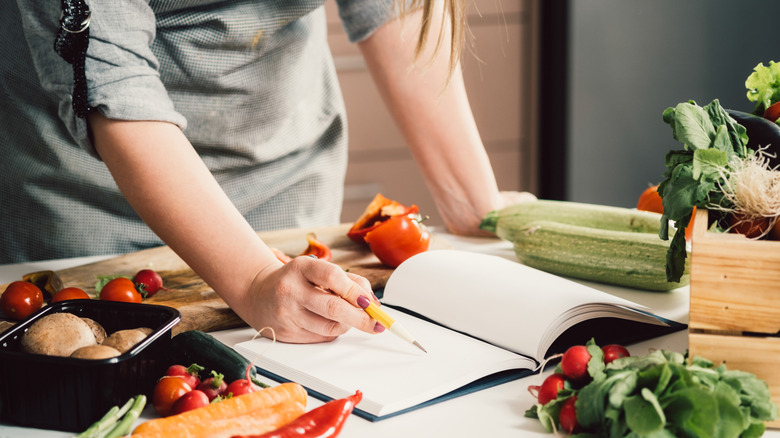
It might sound exciting to just start rifling through your pantry and fridge to freestyle invent an amazing new dish, but that's not typically how cooking actually works. According to Tara Bench, "the most successful recipes start with a plan, even if it's just a loose one." She explains: "Before I turn on the stove, I like to have a sense of where I'm headed: The flavors I want, the textures I'm aiming for, and a rough recipe written down. That way, I'm not scrambling for the next ingredient while something is burning in the pan." Moments of spontaneity and willingness to adjust are great tools, but it's best to know, broadly, where you're going with a recipe.
With that in mind, she recommends beginners get started by making small adjustments to their favorite recipes, such as swapping herbs, spices, or vegetables. Making small adjustments to classic recipes can really make them stand out and opens the door for further exploration. "Once you see how those little tweaks work, your confidence will grow," Bench says. Once you're a little more comfortable, you can "make it a game... and start experimenting!" If you're hoping to use a recipe again or pass it onto another home chef, Bench also advises checking for clarity and not relying on vague "context clues." Detailed descriptions and anticipatory explanations help "set everyone up for success in case their oven runs hot or they use a different seasoning!"