

You've Been Storing Peanut Butter Wrong: Here's How To Do It Correctly
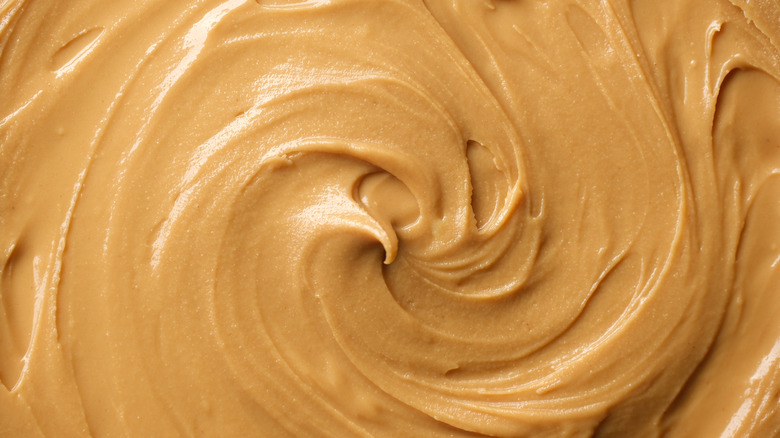
Many of us have had the debate with loved ones in our kitchens: Where exactly does peanut butter belong? It doesn't seem quite right to keep it in the pantry, but it's tough to easily spread onto toast and sandwiches when you keep it in the fridge. Families have had arguments for years about exactly where peanut butter belongs, and it turns out, whether your jar belongs in the fridge, or the pantry has everything to do with what type of peanut butter you buy.
If you typically use conventional peanut butter brands that contain preservatives like Skippy or Once Again (the type that you don't have to stir), it doesn't matter where you store your jar; it's good to go either in the fridge or in the pantry. If you prefer natural peanut butter, like the Woodstock or Trader Joe's brands, aka the kind that you have to stir due to oil separation, you'll want to keep it sitting pretty in the fridge, as it won't have preservatives and is more likely to go bad. The oil that naturally separates in peanut butter without preservatives can go bad more easily than the oil that's stabilized and stays mixed into conventional peanut butter, creating different storage requirements for each type of the good stuff.
Baking with peanut butter: What you need to know about temperature
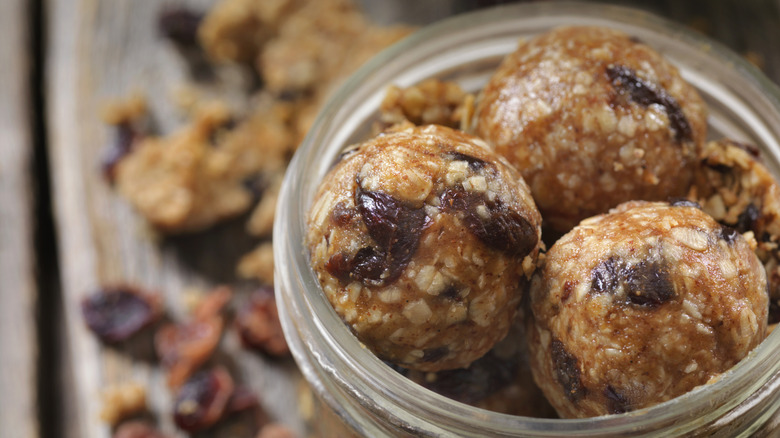
If you're making peanut butter-oatmeal cookies, peanut butter frosting, or peanut butter protein bites, it's important to understand what temperature your peanut butter should be at before you incorporate it into your recipe. When you're baking, it's best to let your peanut butter come to room temperature before you incorporate it in your recipe. There's one key exception. If you're creating a no-bake recipe, like protein bites or other no-bake snacks, cold peanut butter is often a better choice. The thicker consistency can help your recipe stick together more easily.
You'll also want to make sure that you're completely incorporating your peanut butter into your recipe. It can help if you blend your peanut butter into other liquids or lightly beaten eggs before mixing it into dry ingredients. However, if you're into protein shakes (or just like making peanut butter milkshakes at home), you'll might want to consider keeping a few scoops of peanut butter in the freezer. Frozen peanut butter will break up better in your blender and won't water down your shake.