

The Absolute Best Way To Store Tapenade
We may receive a commission on purchases made from links.
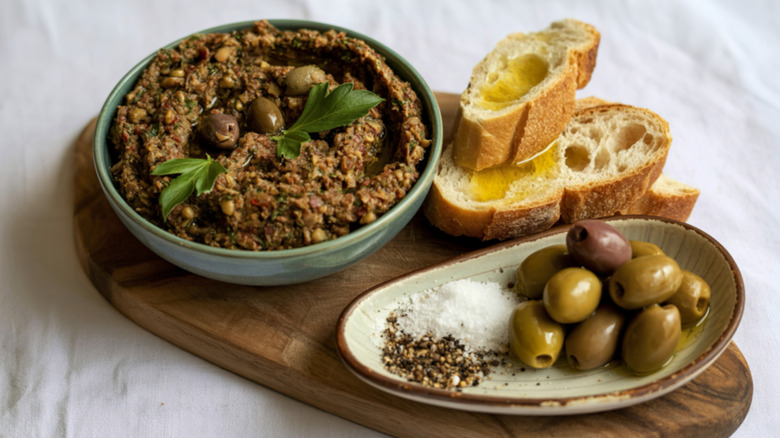
The French know their way around the kitchen. With a world-renowned cuisine, their impressive techniques, which shine even with the most basic ingredients, solidify their spot as the epitome of sophistication. Different regions of France bring their own delicacies, making wide-eyed (and hungry) foodies more curious to explore the diverse world of flavors. In Southern France, one particular condiment steals the spotlight: tapenade. When Chowhound spoke exclusively with Lindsey Baruch of Lindsey Eats — with a cookbook, "Something Delicious: 100 Recipes for Everyday Cooking," hitting shelves on September 30, 2025 — we got to learn all about this addictive olive spread and how to store it. First, Baruch mentioned utilizing an airtight container for proper storage in the fridge to make it last a week. She added, "You can freeze it and store it in the same way as [in] the fridge; however, I wouldn't recommend it. The flavors from the olives and the olive oil will water out, and if you are using fresh herbs, they will lose their aroma and color." And because of the change in texture after defrosting, it's best to keep tapenade in the fridge rather than the freezer.
Aside from being a salty condiment Martha Stewart swears by for a picnic-worthy sandwich, tapenade is surprisingly versatile. It can be a delicious garnish for lamb dishes and a flavor booster for chicken, added before roasting — a French cooking tip that will take your food to the next level. The best part is you can easily make it yourself.
Tips and tricks for perfecting your first attempt at tapenade
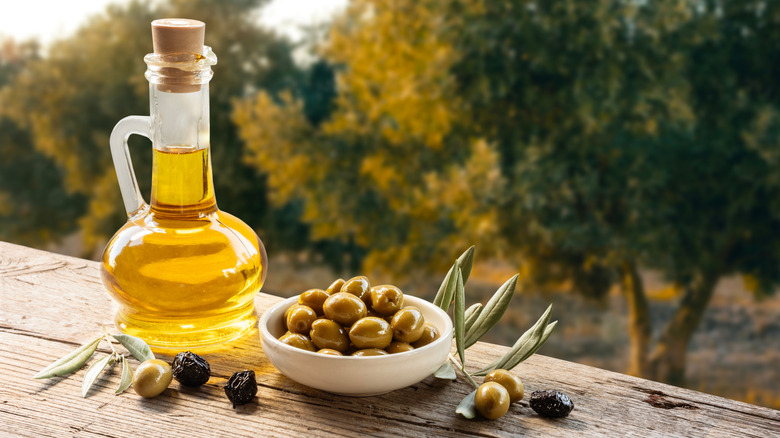
French cuisine is all about using fresh and high-quality ingredients — and tapenade is no exception. Lindsey Baruch suggests using high-end olive oil (we recommend trans fat-free, with a shelf life of at least three years, preferably extra virgin for maximum nutrition) and fresh lemon juice to mellow the saltiness. If you're also using briny ingredients like anchovies and capers (as a vegan substitute) or saltier olives like Niçoise, you might want to consider forgoing the use of salt to avoid creating an over-seasoned spread. Baruch even shared with us how she uses mixed olives, explaining, "Your seasoning will depend on what type of olive and also what brand. ... This is generally why I prefer a mixed olive tapenade, so I have a variety of olive flavor profiles." It's common practice in France to use a combination of black and green olives for a balanced finish, too.
To indulge in tapenade just like how any French person would, pair it with a tasty libation for a dash of excitement. A crisp rosé will do the trick, but you could always take the more adventurous route by using out-of-the-box methods to enjoy olive tapenade — the choice is yours.