

The Reason Gardeners Are Putting Kitchen Sponges In Flower Pots Before Planting — And Why You Should Too
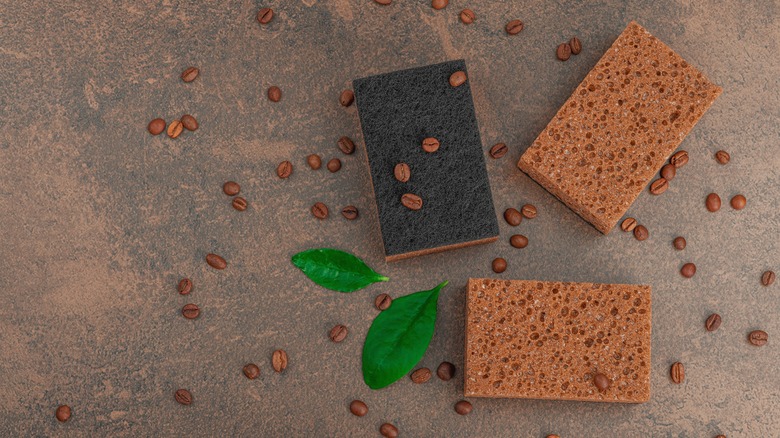
Kitchen sponges are great for more than just scrubbing dishes. As a matter of fact, their uses extend far beyond simply being your best bud when it comes to keeping the kitchen clean. Whether you repurpose them to lift pet hair from your carpets, glue them to expensive furniture to protect it from being damaged, or even use them as DIY toe separators for a home pedicure, they are surprisingly versatile. They're also the most important kitchen tool you own that isn't cleaned often enough. But a quick five-minute boil once a week can fix that in no time.
Now, back to the unconventional ways kitchen sponges come in handy, have you noticed how people often place them into flower pots before planting? It turns out that adding a few sponge pieces at the base of your plant containers can lead to much better drainage. This is because when placed beneath the soil on the bottom of the flower pot, the sponges will absorb the extra water, hold on to it, and then slowly release it once the plant needs to rehydrate.
Even though it might seem simple, this little trick can make a massive difference in how your plants develop, and might just be the secret to growing perfect parsley. And the best part about it? You'll never have to worry about overwatering your plant again. However, this unexpectedly useful hack is much more than just a cheap and easy drainage solution, as it can also significantly improve the plant's overall health by preventing root rot.
Your kitchen sponge can bring your plant back to life
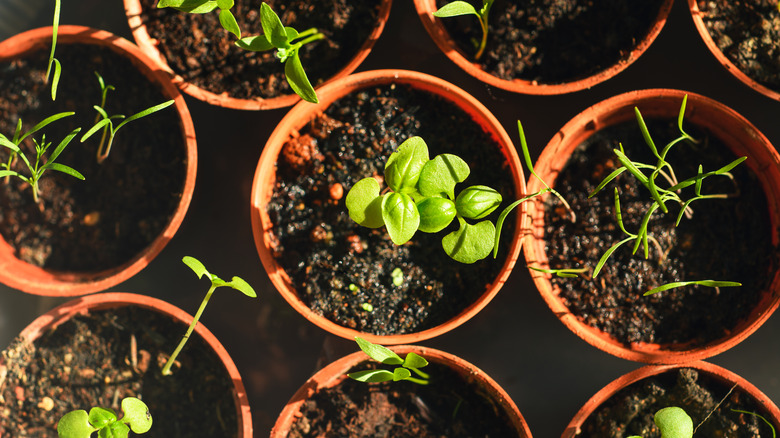
Root rot is an infection that develops because of overwatering or poor soil drainage. Caused by both fungi and water mold that thrive in wet soil environments, the disease attacks the plant's root system once humidity levels rise and eventually leads to its deterioration and death, since the roots are deprived of the oxygen they need to survive. That's why it's important to remember that to keep pests out of your garden, you need to give your veggies a little breathing room.
The reason why using a sponge (even the most basic one you'll find at the grocery store) will help is that, not only will it soak up any excess water around the roots, but it will also improve airflow in the soil due to its porous texture.
So, if your plants are struggling with root rot, or you're just curious to see whether the method works, you first need to carefully remove your plant from its container and cut any roots that appear discolored or unhealthy. Then just take a sponge or two from your kitchen drawer, cut them into several small pieces, and put them at the bottom of the pot. All that's left to do is add a layer of fresh potting soil on top of the sponge pieces and place your plant in the center of the pot. Once that's done, fill in the remaining space with more soil (make sure the roots are fully covered), and your plant is good to go.