

How Big Does Garden Sage Get? What To Know Before Planting
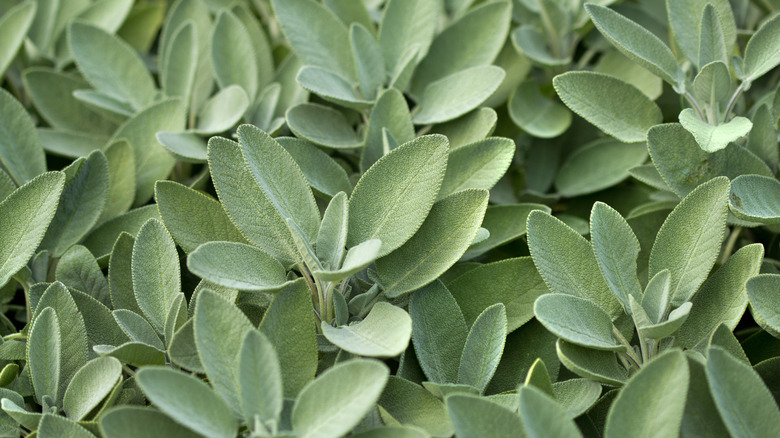
Sage is known for its soft and fluffy light green leaves and pretty flowers that pop in purple, pink, and white. It's also an easy to grow plant and has so many uses beyond giving thanksgiving turkey stuffing that distinctive flavor. The pungent herb pairs surprisingly well with pineapple and is divine in a brown butter sage gnocchi. Its strong scent and flavor means a little goes a long way, so buying a bundle of it at the grocery store can often end up with waste. A sage bush in your garden is the perfect way to have the right amount of the fresh herb available whenever you need it, and as a resilient, perennial plant, it will continue to provide for you for years to come.
So how much space will you need to set aside for your sage? A typical plant can grow up to 3 feet tall and wide, and is much more likely to be wider than it is tall. If you are planting more than one plant, you should space them out at least 18 to 24 inches apart. The low lying bush will succeed in well-drained soil and enjoys a pH between 6.0 and 7.0. The absolute best place to plant sage in your garden is anywhere it can get medium to full sun. Sage has many companion pairings that will help your garden thrive, including rosemary and parsley.
How to plant and harvest sage
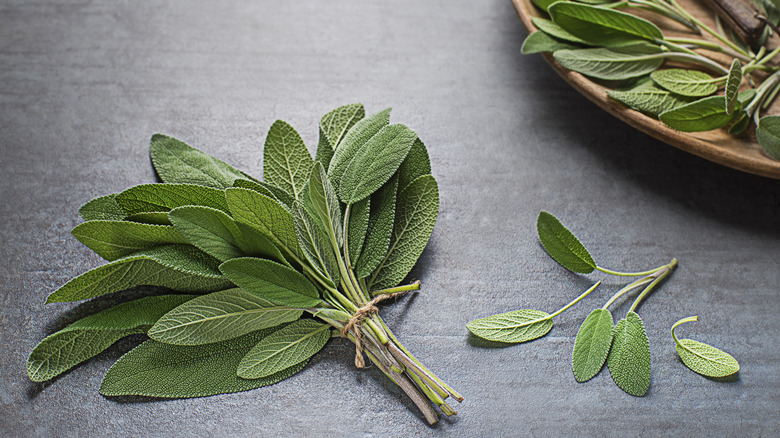
The most straightforward way to start growing sage is to begin with a small plant, making sure to water it regularly as sage needs a lot of moisture until it gets growing at full tilt. Prune your sage bush in late winter or early spring, cutting your plant back to approximately one third of its full growth. You can use these cuttings to start new sage plants. Once your sage is blooming, you can harvest it as you need to by simply pinching off a leaf at a time, or cutting a stem off with a group of leaves. Don't over harvest your plant the first season, as it will still be getting established. Once it has lived through the winter, its root system should be strong, and you will have a plant that will provide herbs and flowers for years.
There are many uses for sage that go beyond the culinary. It has been used as a medicinal herb for centuries across many cultures, and its benefits are said to range from easing menopausal symptoms to improving oral health and lowering blood sugar. You can dry sage leaves by tying them in a bundle and letting them hang to air dry or lay leaves out individually on a tray to dry. The practice of burning dried sage, known as smudging, is also used by many Native American tribes to cleanse and purify a space. Though sage is mostly harvested for its leaves, it's also possible to use the flowers, which carry a much more subtle flavor and are a beautiful addition to salads or can be used to make pesto or jelly.