

Why Mutton Is One Meat That Needs To Make A Comeback In America
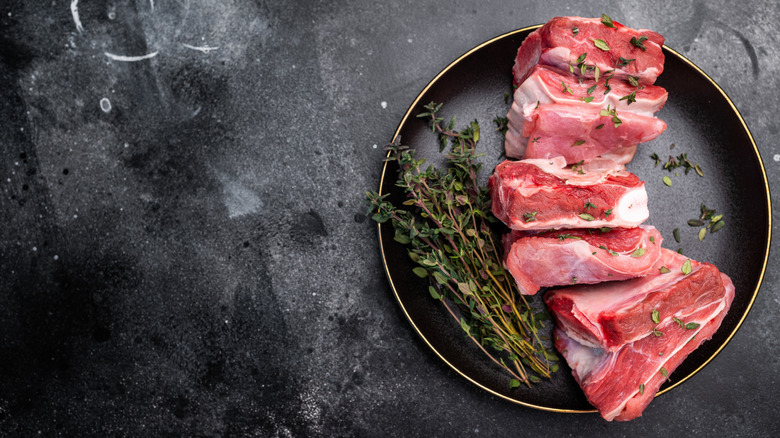
If you aren't familiar with mutton, you might think it comes from a rare animal you aren't familiar with. But you are probably quite familiar with it and may have even eaten it before, whether you know it or not. Simply put, mutton is lamb, but not-so-simply put, mutton is a specific type of lamb. The difference has more to do with the animal's age than anything else. When meat is labeled "lamb," that moniker refers to a sheep that is most likely around a year old or younger. But when the term mutton is used, the meat comes from a sheep that is older, generally between a year and 3 years old.
Mutton is quite popular in certain parts of the world, namely Europe and the Middle East, but it isn't very common on American menus. Although it did once enjoy limited popularity, it never really went mainstream with American cooks and grocers, But perhaps the time has come to change that narrative. Mutton isn't as tender as lamb, and the flavor is a bit stronger, but it has a delicious flavor that gives a richness to any meal it is served with. In short, mutton is due for an American comeback.
The history of mutton in America
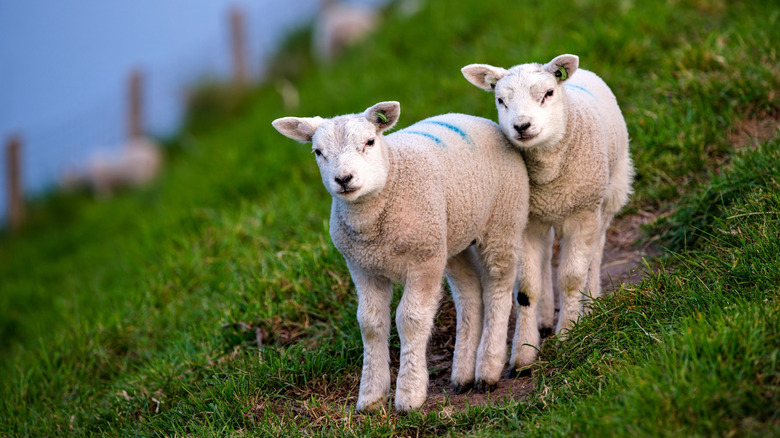
Mutton may never have been a mainstream meat in America, but it did enjoy it's run with popularity, possibly as a result of convenience. Sheep were first introduced to the country by Spanish conquistadors in the 16th century. At the time, it was their wool that bolstered their popularity. And thanks to the usefulness of wool, sheep farming thrived, making mutton a meat option that made simply made sense for the general population with sheep farming gaining a presence. With the arrival of modern technologies, like the creation of synthetic materials, this popularity began to wane after World War II and mutton eventually faded from popularity.
The flavor of mutton has perhaps worked against it as a mainstream meat in American cuisine. Meats like beef and chicken are far more popular than game meats like venison, elk, ostrich, rabbit, and wild boar, yet they can be found on menus and in specialty markets across the country, proving that Americans are not exactly opposed to game meats. Sometimes all it takes is a little know how to properly prepare such a meat, whether its grilling, braising, or some other technique.
Why you want to see more mutton on the menu
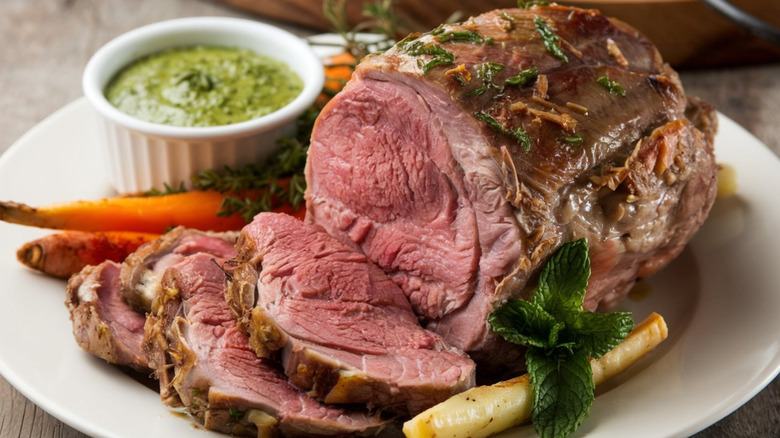
While we can root for mutton's return, in the meantime you'll have to do a little work to get your hands on it yourself. You might have luck in a specialty grocer, but you're more likely to find success by making friends with a local farmer that sells meat to the public. Get in good with one of these establishments, and you'll be able to work with the farmer to be in the loop when mutton is available.
Mutton's lack of popularity may just stem from the fact that it is gamier and less tender than its younger lamb counterpart, but that can easily be addressed by marinating the meat in a blend of yogurt and spices. And, with the right techniques, you can remove the gamey flavor of lamb. Similar to venison, you can also prepare your meat so it tastes less gamey by tenderizing it in buttermilk. This step for mutton is also important.
When properly prepared, mutton's strong flavor contributes a rich profile to whatever dish it is a part of and bringing it back would open our palates to a world of new possibilities. Indian cuisine offers mutton curry, while Irish cuisine offers a delicious mutton stew cooked with vegetables. These dishes, which involve a long, slow cook, are the perfect way to ensure the meat is tender and flavorful. England is famous for shepherd's pie, a dish that can be made with a variety of meats, including mutton, while Iranian cuisine includes a dish called abgoosht, a slow-cooked stew that contains mutton and legumes like chickpeas. Of course, these dishes can all be made with lamb, but mutton's stronger flavor and rarity within American cuisine make for a much more interesting meal.