

The Essential Broiling Tip That Saves Your Juiciest Cuts Of Meat From Being Ruined
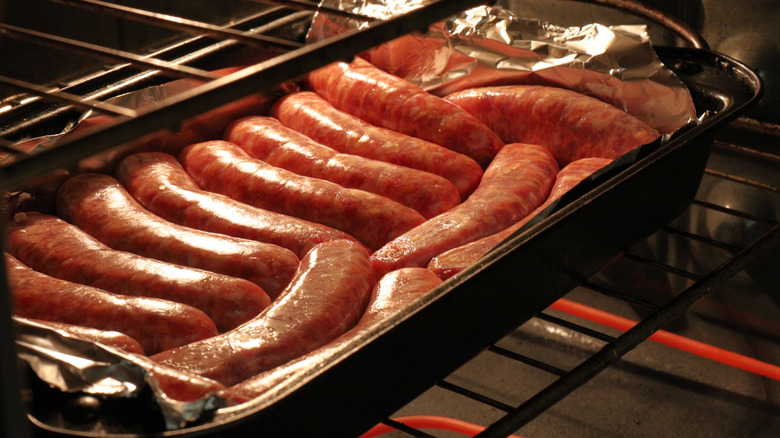
Broiling is often seen as the oven's version of grilling: high heat and quick cooking. Broiling is different from baking in that the former puts food just inches from direct heat. That setup demands precision. Broiling puts the heat just above the meat and requires the meat to respond quickly and evenly. Temperatures jump up quickly, sometimes beyond 500 degrees Fahrenheit, and once the meat's surface is exposed to that kind of intensity, you have little room for error.
While the process sounds straightforward, there are several broiler mistakes people make. There is, however, one small action that causes more damage than people realize: piercing the meat while it cooks. Using a fork during broiling isn't just a minor slip. It actively drains the flavor and moisture you've worked to keep inside the meat. Those puncture holes become exit routes for the juices, and since broilers don't operate with added moisture or steam, what escapes isn't recoverable.
Sure, you may have good-looking golden meat, but it might not taste like it was marinated. And that loss doesn't just affect taste, it also changes texture. Meat that loses too much of its internal moisture due to heat will typically become stringy or tough. To keep your meats from losing precious juice when broiling, switch out the fork for tongs.
A simple switch for juicier cuts
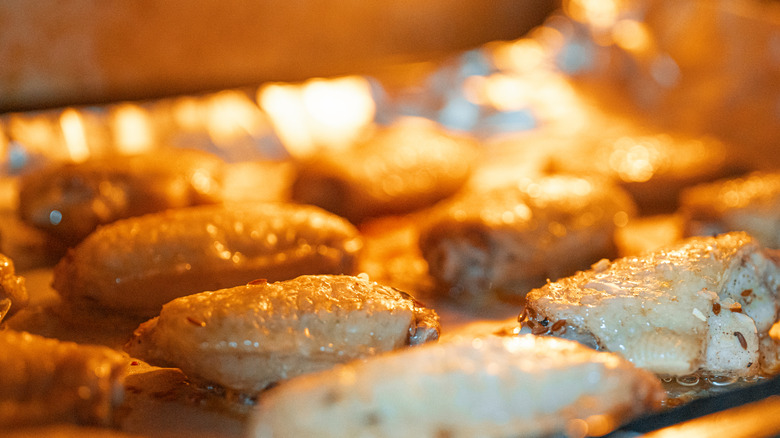
Changing from a fork to tongs or a spatula is a huge improvement when broiling meats. They allow you to turn or move your meat without cracking its exterior. Tongs are especially useful because they grip with control, which matters more than speed when working under the intense, top-down heat of a broiler. Spatulas work well for delicate proteins like fish, where surface breakage can ruin the entire presentation. That way, moisture stays locked in and the texture and broiling becomes less of a gamble.
The juices in meat are not merely for flavoring — they aid in moisture preservation across the cut. However, when you repeatedly puncture meat, these juices are released, and the risk of dry or toughened spots increases. On thicker cuts, this has the potential to produce uneven results, where parts are overcooked and some are still undercooked. And always remember to preheat your broiler for a caramelized finish.
Overall, with the right equipment, like tongs, there is no disruption to the surface, allowing the meat to brown well. It also consistently trains you to handle meat more intentionally. The meat stays sealed, and it cooks just right in a way that truly does justice to the effort you've put in. In short, your broiling success does not just depend on the timing or temperature, but more on the way you actually handle food while it cooks.