

Ree Drummond's Milk Swap For The Most Indulgent Béchamel

If you're into food, you will likely, at some point, have come across the name Auguste Escoffier. Widely regarded as the father of modern cookery, and especially of haute cuisine, Escoffier is perhaps best known for his mother sauces: the five sauces that form the foundation of classical French cooking. Of those five, perhaps the most popular (and most famous) is the béchamel, a glorious mix of flour, butter, and milk, sometimes seasoned with ground nutmeg or bay leaves.
The sauce begins with a roux, equal parts butter and flour, which is cooked down and loosened with milk, eventually forming a beautifully silky white sauce. Béchamel is equally at home in lasagna as it is atop a traditional homemade croque madame. While this sauce is plenty rich all on its own, if you're looking for the ultimate in decadence, The Pioneer Woman — aka Ree Drummond — has got you covered with a simple ingredient swap. Instead of just using milk, why not add a little extra decadence by substituting some of the milk for half-and-half, or even a splash of heavy cream?
While it might sound like a fairly inconsequential substitution, the extra fat and richness that half-and-half or heavy cream provides makes for a serious upgrade in terms of texture and flavor. Don't swap it out entirely — instead, add a smaller amount, adjusting the ratio to taste. The sauce will be thicker, with a glossier finish and a smoother mouthfeel, while also taking on a gorgeous, subtle sweetness that complements the nutmeg's complex, spicy finish, resulting in a delicious, well-balanced sauce that feels truly indulgent.
Play with fat content to customize your béchamel
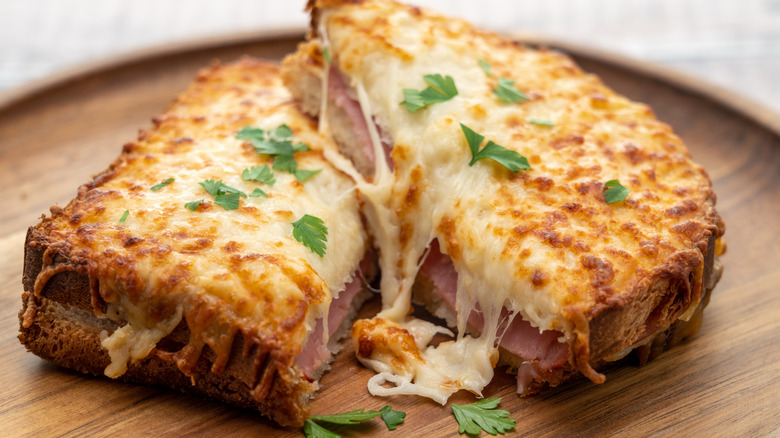
While the classic béchamel sauce uses whole milk, which usually contains around 3% fat, tweaking the ratio can help you tailor the eventual sauce to the specific needs of the dish you're making. Ree Drummond's half-and-half swap walks the line between indulgence and familiarity, providing a sauce that feels luxurious but which remains versatile enough to use in something like a potato gratin or a lasagna. You could also up the cream content, and use a ratio of three parts milk to one part heavy cream. This will result in a truly decadent sauce — one that works well for topping meat or using on a croque monsieur, for example — but which isn't light enough to use a lot of lest it overpowers your dish. In general, a little cream goes a long way.
On the other hand, you might want to consider reducing the amount of fat you add to your béchamel. If you're after a lighter sauce, one to serve with white fish, for example, or to finish a delicate pasta dish, you could try replacing some of the milk with stock. Similar in texture to a velouté (which is made exclusively with broth, instead of milk), it provides a refined texture and more subtle, savory flavor — and is a great option when you feel like lightening things up. Think of the amount of fat you use in your béchamel as a dimmer switch for the richness of your sauce; experiment with different ratios and find what works for you.
What to serve with a rich, cream-based béchamel
When working with Ree Drummond's super rich béchamel, keep two things in mind: how to incorporate it into main dishes without overwhelming your palate, and what sides or drinks will balance the richness of the overall meal.
Use its richness, thickness, and unctuous texture when you want to amp up the indulgence factor in luxurious pastas like baked rigatoni, lasagna, or even a bougie mac and cheese (bonus points if you make it with lobster or truffle). It is also an excellent base for a traditional French-style gratin, like a classic potato dauphinoise. It works particularly well in sauces featuring sharp cheddar or Gruyère, where its slight sweetness is balanced by their tang or nuttiness, respectively.
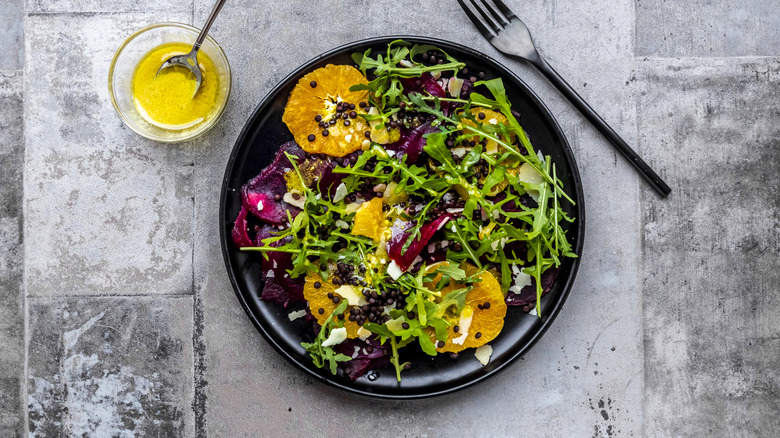
Focus on brightness when pairing béchamel dishes with sides. To pare back the intense richness of the sauce, think fresh, vibrant salads, especially with peppery, bitter leaves like arugula and radicchio, or with fennel for a fresh aniseed kick. Dress them with sharp, complex vinaigrettes, bringing citrus to the party and giving just the right amount of contrast to the heaviness of the béchamel.
Texture, too, can bring contrast. Some crusty bread like a good sourdough baguette or ciabatta, for example, can be a great way to bring some crunch and complement the glossy, smooth béchamel. Then, just finish things with a crisp, dry glass of white wine (like a sauvignon blanc or pinot grigio), and you're all set.