

Garlic's Flavor Tends To Get More Potent Over Time. Here's Why
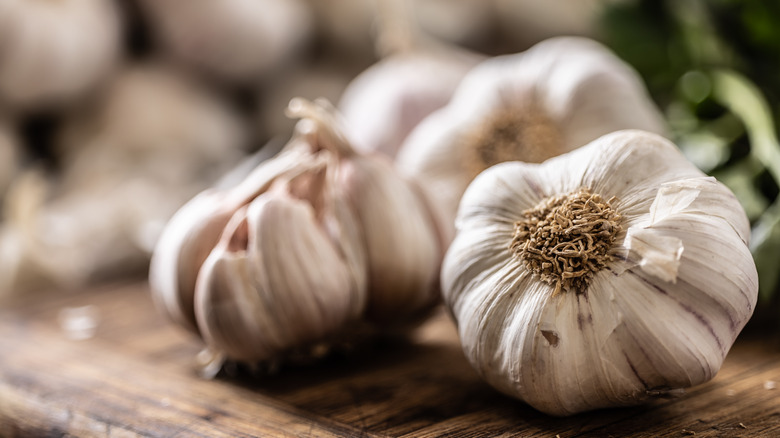
Who, besides Dracula and his coffin-dwelling pals, doesn't like garlic? While there are some people who walk among us, impervious to the lure of that funky, savory allium, for many, garlic is the center to which many recipes hold. It is an aromatic powerhouse that ties a dish together and, depending on how you prepare it, can give your dish a punch of sharp savory flavor, or a mellow warmth. This being said, not every bulb carries the same taste. Many factors can impact your garlic's flavor, including, and perhaps especially, age. The older the garlic bulb, the more concentrated and bitter the taste of the garlic. But why is this?
As garlic ages, it loses water content. This lack of moisture causes the taste of your garlic to become more concentrated and biting. This less than pleasant taste can also be the result of the degradation of sulphur and certain oils within the garlic bulb. When garlic begins to break down in this way, it emits a garlicky smell that is much stronger than that of a fresh garlic bulb. While this concentrated taste and smell doesn't indicate that your garlic is unsafe to consume, it might not yield the best results while cooking, as it can also be quite bitter. And that definitely isn't something you want in your next batch of shrimp scampi, or slice of garlic bread. (As a note, you'll want to double-up on your garlic infusion methods for an ideal garlic bread for the tastiest results.)
How to properly store garlic
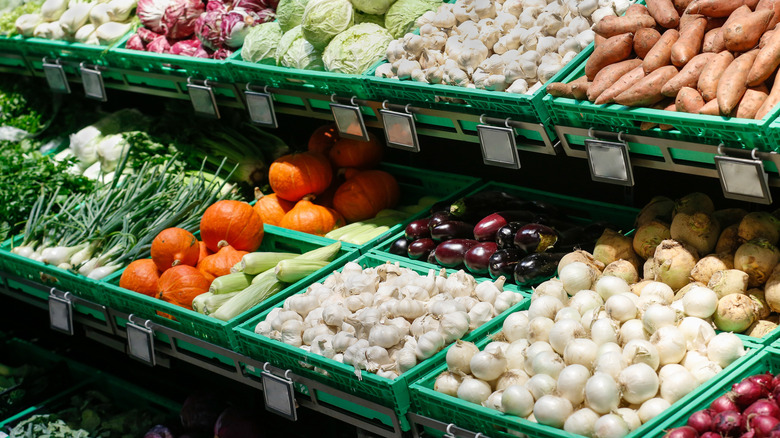
Garlic is one of those ingredients that most home cooks take for granted. At any given moment, it's safe to say, most people have one or two bulbs rolling about one or another corner of their kitchen counter, or tucked into a veggie bowl watching the steady ebb and flow of less hearty ingredients come and go. Unlike many selections in the produce aisle, garlic has a relatively long shelf life. In fact, if you are able to store your garlic in the correct way, your bulb can stay good for anywhere from three to six months at a stretch. However, this is contingent on proper storage methods and no, not just any old shelf will do for your garlic. So how should this allium be stored?
For starters, you'll want to avoid keeping your fresh garlic in the fridge, as this can cause a loss in flavor. Now, if you're storing jarred garlic, an ingredient loathed by many a chefs, you should absolutely keep refrigerated after opening, as it can spoil if left at room temperature. But generally, fresh garlic isn't all that fussy. It just needs the right conditions. It tends to keep best at a cooler temperature, and away from any exposed light. You'll also want to avoid any humid, hot areas of your home, as this will cause your garlic to age and spoil more quickly. You'll also want to keep your garlic in a breathable container, such as a woven basket, rather than plastic, which can trap moisture and cause mold to form.
Spotting a bad bulb
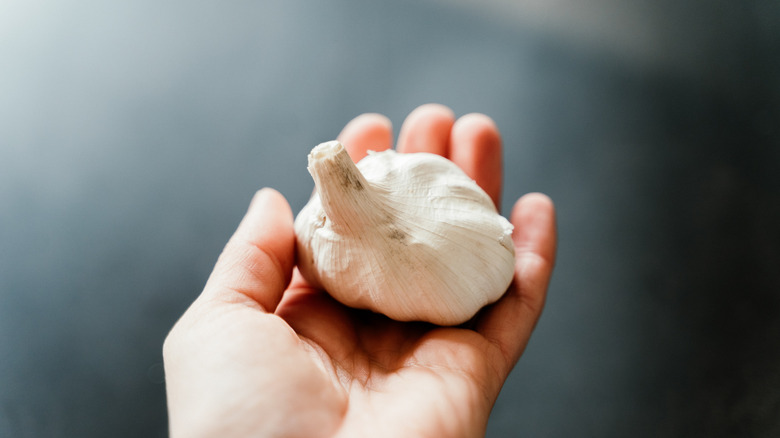
Now what if you've got a few bulbs of garlic lying around that look a bit, well, suspicious? How do you tell if your garlic has gone bad? Well, there are a few key things to look out for. Perhaps the best way to test if your garlic is still good is to press in your hands. This will help you gauge the bulb's freshness, as a firm, solid bulb indicates that your garlic is both fresh ready for use in cooking. However, if your garlic is squishy or soft, this can indicate that your garlic is old and not up to snuff for use in your next recipe. You can also look out for color changes. White garlic indicates a fresher bulb while yellowed garlic can be a sign of age. Green sprouts are another sign that your garlic is over the hill, and can indicate a less than ideal flavor. However, even yellow and sprouted garlic is still safe to eat, it just won't have a good of flavor as its fresh counterpart.
There are also times where garlic is not safe to eat. If your garlic has an unpleasant odor, has spots of mold, or is mushy, those are signs that you really ought to toss your garlic out. In general, it's better to be safe than sorry when choosing whether or not to take a risk on that bulb of garlic. And just remember — do not put your garlic through a garlic press, lest you incur the wrath of Alton Brown.