

The Best Easy Alternatives To Pizza Crust, According To A Pro
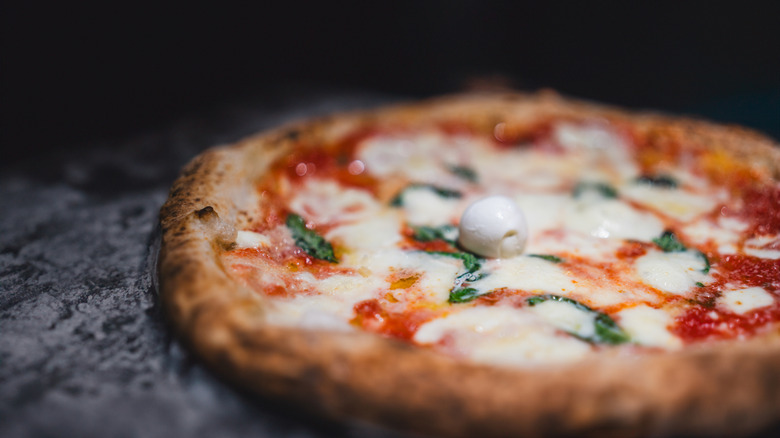
Making pizza from scratch is one of those recipes that seems more complicated than it actually is. Sure, homemade dough can be a bit intimidating for beginners, but this can be remedied with pre-made dough or frozen crust. If you don't want to make a trip to the store or bother with shaping DIY dough, with a little creativity, something you probably already have in the pantry can be used for the pizza base.
Chowhound turned to Daniel Holzman, the chef and owner of Danny Boy's Famous Original Pizza in Los Angeles, for some ideas of what might work as a substitute for crust. Luckily, you might already have some of his suggestions in the house. Holzman told us, "I'm a big bagel guy and love a bagel pizza. I also like flatbread, baguette, and French bread as at-home alternatives." Using these alternative crusts is an excellent way to make use of bread products at risk of becoming stale or going bad soon, reducing food waste in the kitchen.
And if that isn't enough ideas for you, we spoke to another pizza expert: Mike Fadem, chef and owner of NYC's Ops. Fadem echoed a similar preference, saying, "I think any nice bread from your local mom-and-pop bakery will do the trick. Whether it's Italian or French style, it doesn't really matter. This bread is always high-quality and will hold all of your toppings."
Making the best of an alternative pizza crust
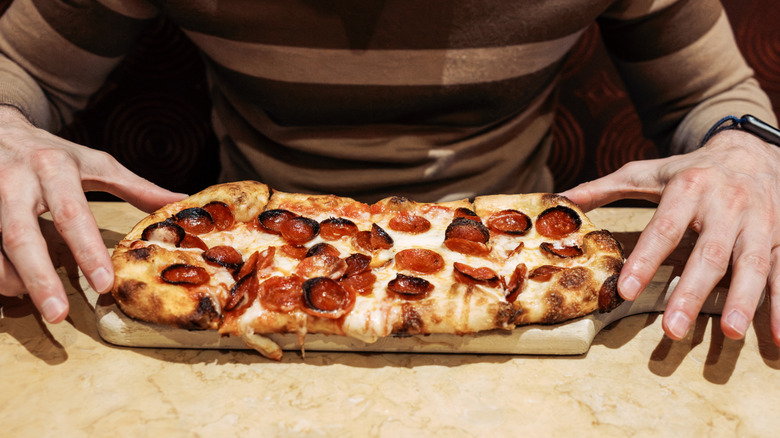
Pizza crust works so well because it's nice and chewy but not tough, has a balanced saltiness, and ideally, a light char. When toasting whatever crust alternative, keep these desired traits in mind — for example, something like a soft white bread or bagel may get soggy if sauce is added to an untoasted or lightly toasted surface. Know that a bread with a lot of crust may be difficult to bite into, especially after toasting, so stick to softer loaves like French or Italian if you want to avoid this.
When using something like a tortilla or wrap, however, avoid over-toasting. These are at risk for becoming too hard and won't be easy to bite into. Because these are, of course, so much thinner, they won't have as much structural integrity as a hearty slice of bread — the same is true for flimsier slices of bread. Therefore, when it comes to toppings, Mike Fadem warns, "Any change in your base will always result in needing to alter your topping amounts." For thinner crust alternatives, avoid packing full of heavy toppings — such as vegetables — and stick to sauce, cheese, and maybe a touch of basil. With a denser base, such as a French loaf, there isn't really a need to hold back.
A lot of the tips for making homemade pizza dough remain the same when using an alternative pizza crust. A red, tomato-based sauce is not the only option — switch it up with pesto or a creamy white sauce. Achieve a crispy, restaurant-style finish by sticking the pizza in the broiler, and top with a fresh garnish, such as basil or arugula.