

Haitian Spicy Peanut Butter Is More Than A Spread, And Here's Why
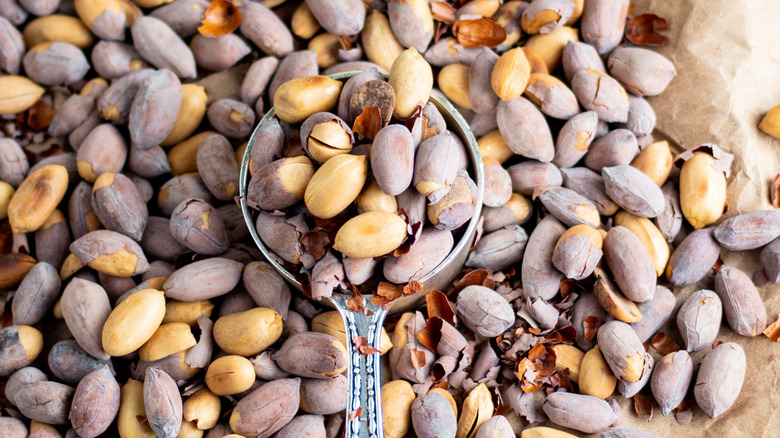
Ever thought your everyday peanut butter could use a little spicy kick? Even if the idea just crossed your mind, Haitians have long been ahead of the game. Their version, a fiery, flavorful spread called "mamba" (sometimes also called "manba"), isn't just a condiment; it's a beloved culinary staple that holds a central place in Haitian cuisine. Unlike the peanut butters we are familiar with in the United States that tend to be on the sweeter side, Haitian mamba packs a robust punch with bold spices and fiery heat from chili peppers, often Scotch bonnet, and is usually enjoyed spread over cassava crackers or toast.
Peanuts are one of the most popular foods outside of the main meals in Haitian homes, and the country is home to a thriving peanut industry that supports local growers and artisan businesses that sell peanut products. Traditional mamba-making is quite a labor-intensive process, requiring large pots, open flames, and practiced, repetitive movements that local makers have perfected. Producing and selling mamba is viewed as a way to support local economies and provide job opportunities. However, due to technological constraints, such as a lack of machinery, the cost of local production is high.
Thankfully, with assistance from organizations like UNICEF, which are committed to supporting the Haitian farmers, these high costs can be brought down. This is of particular importance as in impoverished communities, mamba is prized as a medicinal aid to combat rampant malnutrition among children, demonstrating that Haitian peanut butter is more than just a tasty spread. Rather, it is a notable representation of the country's sense of community, resourcefulness, commitment to supporting local growers, and an homage to their history.
Can you make Haitian peanut butter at home?
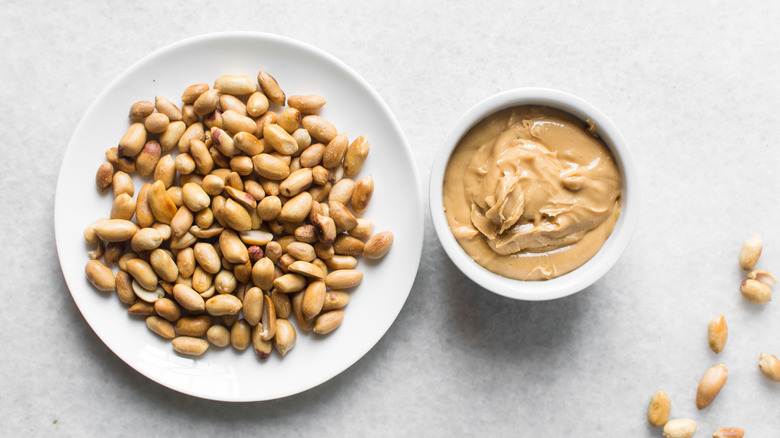
If you're curious for a taste of Haitian culture in your kitchen, you can certainly make mamba at home. Though the result might not taste exactly like what you would get in Haiti, you can still get pretty close to the real thing. To recreate the traditional approach to making mamba, start by dry-roasting your shelled peanuts. Once cooled, remove the papery skins. In a food processor, combine the roasted peanuts, a fat source like peanut oil for easier blending, and here comes the fun part for the spice lovers: scotch bonnet or habanero peppers for that desirable kick of heat. Start with small amounts and adjust to taste so you're not left with an unbalanced spread that is overwhelmingly spicy.
Blend everything until you get a semi-smooth, gritty consistency reminiscent of the iconic Haitian spread. In the meantime, bloom your spices to add more flavor to the peanut butter by heating coconut oil, adding cayenne pepper and smoked paprika, removing from heat to prevent burning, and swirling the spiced oil until fragrant. Mix the chili oil with the peanut butter, adjust the sweetness and saltiness to taste, and serve in recipes that usually use regular peanut butter for a Haitian flair. Try it in a spicy twist on a basic PB&J, a base for a three-ingredient Thai-style peanut sauce, and much more.
If you're short on time, store-bought peanut butter will work as a foundation with which you can blend the other ingredients. However, it's recommended to opt for natural peanut butter to more closely resemble the coarse texture of mamba. If you're unsure of which natural peanut butter to reach for at the store, check out our ranking of store-bought natural peanut butters to guide you in your decision-making.