

The Throwback Dessert Your Grandparents Loved To Hate Is Having A New Moment

It's squishy, jiggly, creamy, and sweet — and while that doesn't sound all bad, this vintage dessert has earned nicknames such as frogspawn or eyeball pudding. Tapioca pudding, whether you like it or not, is steadily making a comeback in the 21st century. In the United States, this retro dish was popular as a potluck dessert, in school cafeterias, and commonly offered in buffets. The reason grandparents love to hate it is because it was too popular back in the day — the fact that younger generations are less familiar with the dessert is a key reason for its resurgence.
There's nothing obviously offensive about tapioca pudding — the only ingredients required for a traditional recipe are milk, cream, eggs, vanilla, sugar, and tapioca pearls. Pretty standard stuff when it comes to dessert. Want to make a vegan version? Easy enough — substitute with full-fat coconut milk and a non-dairy milk, and leave out the eggs. So, why all the hate? Primarily, it's an issue with the texture. Tapioca balls or pearls, made from the starch of the cassava root, have a gelatinous, chewy texture when cooked, which is something that one might find off-putting.
It's not necessarily the recipe itself, or even the texture of the tapioca balls, that is the primary issue here. Rather, it's likely the poor quality of prepared tapioca pudding that many had no choice but to eat growing up. Years of eating it as a child in a school cafeteria would likely turn most off to the dessert, because let's be honest, most things from the school cafeteria aren't great. To illustrate this, in 2003, The Guardian reported that tapioca pudding was rated the worst school lunch in Britain.
The modern-day resurgence of tapioca pudding
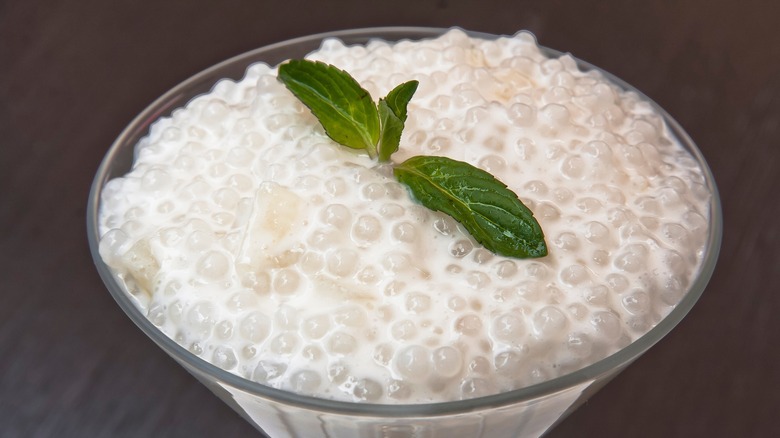
Younger generations have not had to deal with the disappointment of getting a wallop of too-thick pudding plopped onto their lunch trays at school. As buffets have gradually lost favor over the years, we have not had to get acquainted with this as an end-of-the-meal sweet treat. In fact, Millennials to Gen Alpha have a rather positive association with tapioca balls, thanks to the Taiwanese iced bubble tea (also called boba or mil tea). This drink features large, dark tapioca balls, called tapioca pearls, and became popular in Western culture in the 2010s, when bubble tea shops started popping up more frequently in America.
Without prejudices from the past and an open mind towards global cuisine, tapioca pudding has had the opportunity to slowly make its way back onto our tables. Younger generations are the ones who happily gobble up chia seed pudding, after all. We've come a long way in our relationship with "frogspawn" pudding — while it was once considered a vintage dessert of the past, it's now easy to find an online recipe that paints it in a positive light. Tapioca pearls are even featured at Michelin-star restaurants throughout the world in both sweet and savory dishes.
Tapioca desserts have been around longer than your grandparents
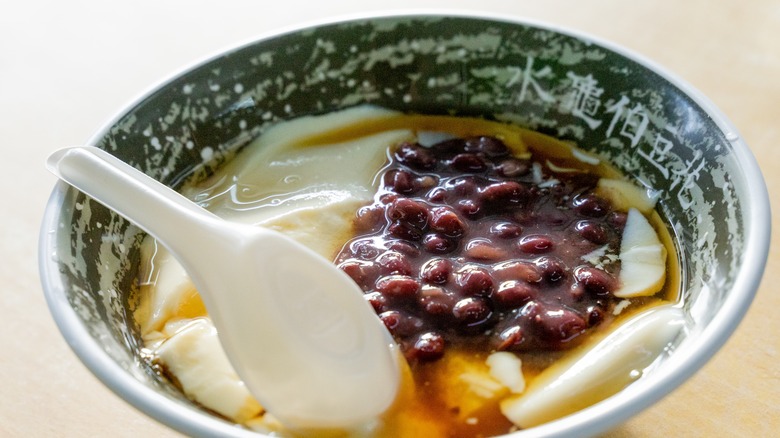
At the end of the day, tapioca balls were never the problem — how the retro pudding dish was made and served in countries like the United States and Britain is what led to its fall from grace. Cassava and tapioca have been used in other cuisines, like in India, Africa, China, Brazil, and other areas of ancient Mesoamerica for hundreds, if not thousands of years, before the tapioca pudding we know best in Western culture.
So, if like your grandparents you're not a fan of the generic, creamy tapioca pudding, why not try something like coconut mango sago, a pudding with Southeast Asian origins that often uses tapioca pearls for the unique texture? Loads of milk, cream, sugar, and eggs are not the only way to make tapioca pudding. As many Asian cuisines demonstrate, especially Taiwanese, Chinese, and Indian, there are so many other ways to make a pudding-like dessert with the pearls; its unique texture shines when mixed with fresh fruit, juices, and purees, alongside grass jelly, in a sweet red bean soup, and mixed with coconut milk.