

Why Gardeners Are Using Aluminum Foil To Start Their Seeds Smarter

With all the tips and tricks for getting your first garden started, there's often no need to run to the store to pick up the necessary materials. This is especially true for small pots. Those single yogurt cups, to-go coffee cups, or even empty coffee cans make an excellent container to start seedlings. If you don't have that on hand or have used up your stock, another kitchen staple will also work: aluminum foil.
Aluminum foil is lightweight, relatively affordable, and surprisingly helpful in starting your home garden. It's durable and pliable, so you're able to form it into whatever shape you want. And if you prefer to upcycle, this is also possible. Remember to always save used aluminum foil after it's been used for one of its many kitchen hacks, like lining cookware or keeping bananas from browning.
As you already may know, seedlings need warmth and light to sprout. Aluminum foil's reflective surface helps bounce light back toward your soil and seedlings, while also trapping heat. It also helps create a more even light source, ensuring plants receive a more 360-degree exposure, rather than straining toward a single light direction.
How to start seedlings with foil
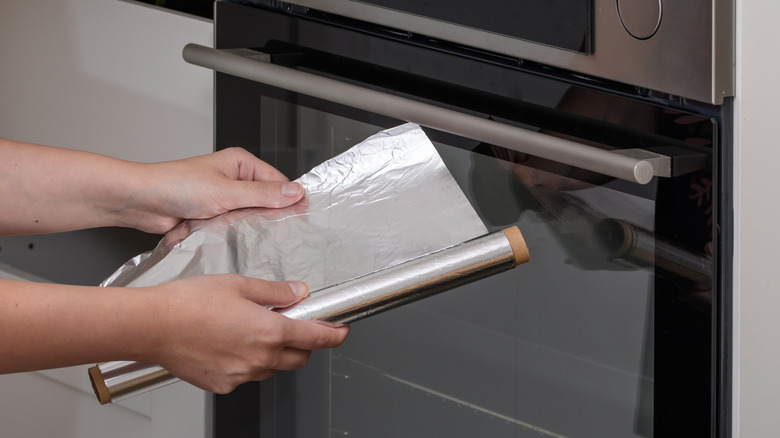
There are a few ways to form a pot with aluminum foil, and all are quite straightforward. For a small container that will primarily be used for initially sprouting the seedling, a pot can be formed simply by cutting a square and molding the foil into the desired size and shape. One layer of aluminum foil, even if you're using the heavy-duty type, won't be incredibly sturdy, so a second layer will help reinforce the stability of the walls.
If you plan on keeping the seedlings in the pot for a bit longer, consider making the pots more durable. You know the cardboard tubes that come from the inside of paper towels or toilet paper rolls, or even from inside the aluminum foil roll itself? These are perfect for the structure of the pot. Cut them up with scissors to match the desired size of the container, and mold the foil around it. A bit of duct or painter's tape can also be used to reinforce the walls, especially for larger-sized pots. Remember to pierce the bottoms to ensure water can drain properly.
Aside from your handmade pots, aluminum foil has a few other uses in the gardening space. If you already have seedlings started in containers made from other materials, consider lining the tray that they sit in with foil. This will help absorb warmth and light, encouraging plant growth. During the winter or especially cold weeks, transfer seedlings to a cardboard box lined with foil — this helps keep them cozy, and ensures that the cold won't kill the plant babies.