

Why Mexico City Is The Next World-Class Culinary Destination, According To David Chang
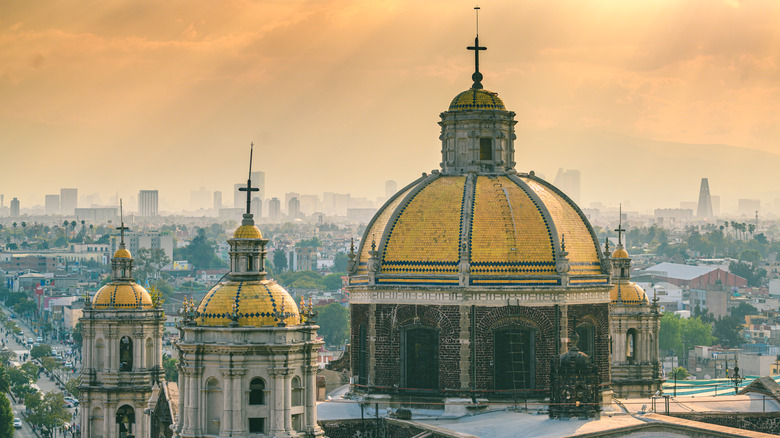
When you think of Mexico, it is easy to imagine sandy beaches, ice-cold margaritas, and warm corn tortillas piled high with fresh ingredients. But the country's capital has rapidly evolved beyond the corn tortilla, becoming one of the most revolutionary and influential culinary hubs in the world. According to chef David Chang, Mexico City is a unique blend of tradition, innovation, and multicultural influence that has expanded its gastronomic horizons. The city now offers a depth of cuisine that rivals foodie meccas such as Tokyo, Istanbul, or Paris. David Chang, known globally for founding the Momofuku restaurant group, recently explored the city's culinary identity on his podcast, "The Dave Chang Show," where he sat down with renowned Mexican chef Enrique Olvera.
While much of the world has recently noticed the capital's culinary ascension, the foundation was laid long ago by its vibrant street food culture and culinary traditions. Chang emphasized that Mexico City "had that sense of 'everything is possible.' There's a vibrancy to it." The blending of ancestral cooking techniques with bold new approaches has created a food scene that captivates food lovers from all over the globe. Mexico City offers everything from complex moles made with fresh guajillo, árbol, and serrano chillies to tasting menus like the Omakase Taco Bar at Olvera's world-famous restaurant Pujol. When it's time for something sweet, neighborhoods like Roma and La Condesa are full of traditional pastelerías and chic bakeries. Tradition and innovation have found a way to seamlessly coexist in this ancient city.
Rooted in history, driven by innovation
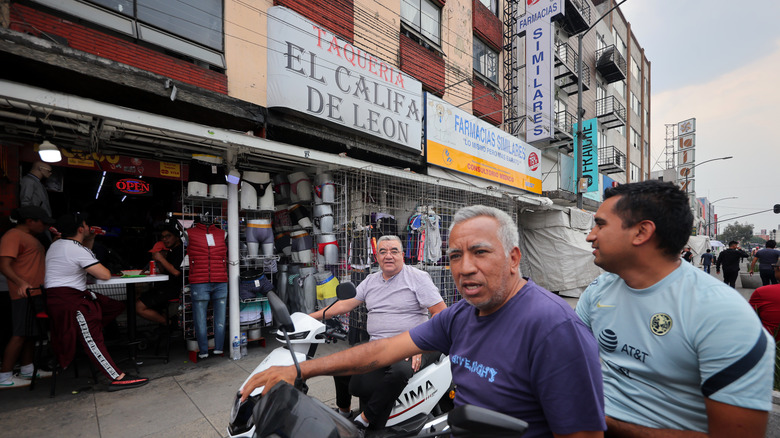
Mexico City may be a more recent gastronomic contender, but it remains deeply connected to its origins. For centuries, generations of cooks have preserved ancestral techniques and recipes, passed down from indigenous peoples and influenced by Spanish colonial heritage. Traditional methods, like nixtamalizing corn or grinding spices with a molcajete, remain the foundation of many dishes served today.
Yet, Mexico City has emerged on the global stage because of its willingness to embrace creativity and transformation. Young chefs trained both locally and abroad are redefining what Mexican cuisine can be by blending time-honored traditions with progressive techniques and global flavors. Enrique Olvera exemplifies this balance with Pujol's approach to the classic birria taco. Traditionally, birria stew is made from slow-cooked goat, lamb, or sometimes beef. Olvera is making it with mussels. "We still like to play around a bit, but we are also very happy with not creating and just serving plates that are delicious," Olvera said.
In Bon Appétit's Mexico City guide, it's noted that around the corner from the city's Michelin-star restaurants, taquerias continue to serve both tourists and locals traditional foods like cochinita pibil and bean-smeared tostadas. Lunch counters known as fondas offer daily specials that are fresh, hearty, and affordable. Often tucked inside bustling public markets, fondas remain a popular lunch spot for workers and are essential to the city's vibrant ecosystem. In Mexico City, heritage and modernity coexist naturally.
As David Chang said, "Mexico City has got it going on." It's a place where deep-rooted tradition meets daring creativity, making it one of the most intriguing culinary destinations in the world.