

Do Any Chain Buffets Actually Serve Alcohol?

Buffets have always been about variety and value, but in recent years, many chains have begun tapping into something else: alcohol. While unlimited food is standard, drinks, especially alcoholic ones, often fall into a different category. Alcohol is rarely included in the base buffet price, but that doesn't mean it's off the table. In fact, alcohol is becoming a clever upsell strategy for restaurants that want to stand out and increase profits.
The reason alcohol is typically more expensive comes down to cost. Hiring bartenders, managing drink service, and handling liquor licenses add complexity to operations. Some of the best buffets across the country are built to keep prices low and turnover fast, so including alcohol on the menu might be seen as an unnecessary complication. However, more chains now offer drinks as optional add-ons, knowing that adults are willing to pay a little extra for beer, wine, or a cocktail with their meal. Some, like Fogo de Chão, offer curated drink options included in their "Churrasco Experience" package, which combines unlimited grilled meats with South American wines and cocktails for a little under $70.
Outside the restaurant space, cruise lines are no stranger to the buffet-alcohol pairing. While several foods should be avoided on a cruise, alcohol is a common denominator aboard the seas. From mimosas at the breakfast buffet to beers by the pool, there's something for every passenger.
Don't expect alcohol at every buffet
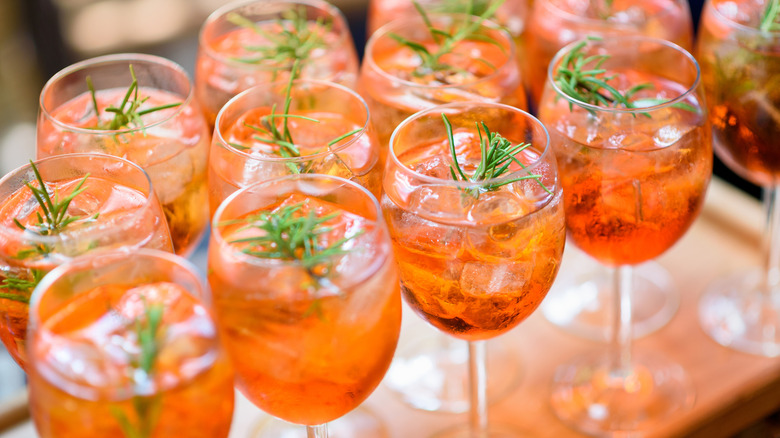
Alcohol at buffets is far from universal though, as most buffet chains don't serve it at all. For many, alcohol just doesn't fit the model of affordable and quick self-service. Not only would it raise prices, but managing alcohol also requires permits and trained staff. If overconsumption of food may get you kicked out of a buffet, alcohol overindulgence might not be a risk restaurants are willing to gamble on.
Regional laws play a big role too. In Pennsylvania, restaurants need special permits to serve alcohol at buffets, which makes it less appealing for many businesses. Despite these barriers, the business case is strong. Alcohol may even encourage customers to stay longer and keep returning. But if the added revenue doesn't outweigh the cost of compliance and staffing, cocktails won't make the cut. So restaurants in dry areas often double down on other crowd-pleasers; think dessert pizzas at Pizza Ranch or cinnamon rolls at Cici's.
If you're hoping to enjoy a drink with your buffet, a little research goes a long way. Visit the restaurant's website, look for bar menus, or ask in person whether alcohol is served, and whether it's included or sold separately. At the end of the day, buffet alcohol is less about fun and more about strategy. It appears in places where it makes business sense and disappears where it doesn't.