

Blanching Vegetables Can Make Your Dishes Truly Stand Out. Here's Why
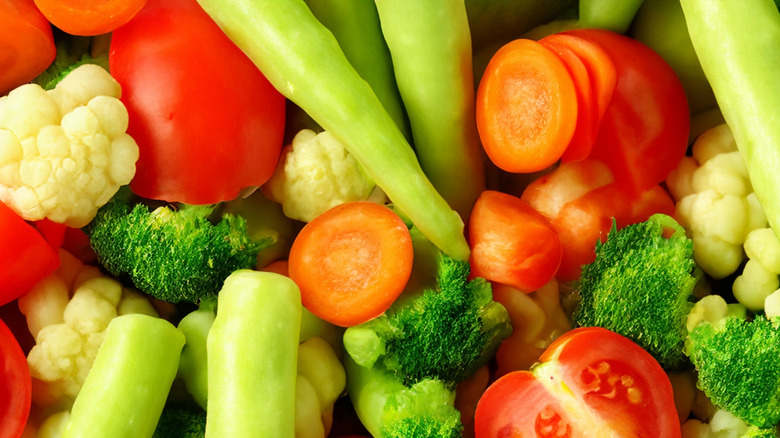
The original Roman gourmet Apicius got straight to the heart of the pleasure we derive from food when he said, "We eat first with our eyes" back in the first century A.D. A tremendous portion of food appeal lies in what we see before we taste — vibrant colors, textural contrasts, and presentation. Close your eyes and imagine the bounty of a summer potluck buffet. There's always one wan vegetable dish that looks rather gray and lifeless and seems to be growing on the platter without any takers. It's likely that a lack of color and texture are to blame. The easiest remedy is blanching, which involves quickly cooking vegetables in hot, lightly-salted water and then submerging them in a bowl of ice water to stop the cooking process.
Blanching is also a way to cook vegetables ahead of time to their perfect doneness so you can hold them for later use. This technique not only makes food (and party) prep speedier, but it also locks in the texture and taste of vegetables at their peak. The result is dishes that showcase vegetables at their absolute prime every time.
Another bonus: If you are prepping food for much farther down the line, blanching is a perfect way to ready greens for freezing. Not only does blanching deactivate the enzymes that diminish the quality of the veggies, but it also helps retain certain nutrients that would otherwise be lost with prolonged cooking methods, or if you were to store the vegetables long-term without blanching first.
What vegetables to blanch and how long it takes
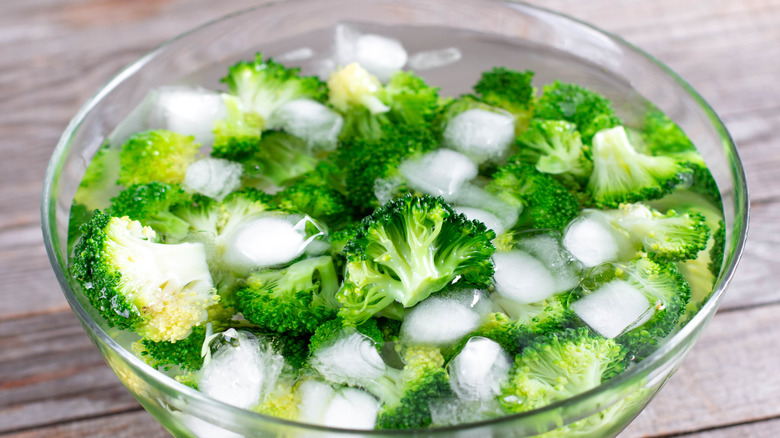
Vegetables bound for a party veggie and dip tray make a fantastic target for blanching. You may want to prepare more veggies than usual, as the minimal effort that blanching requires is like a glow-up. Each piece will be more vibrant and crunchy but with a bit more yield to the bite, and tastier to boot. In addition, blanching is the best cooking method for salads and other vegetable-driven dishes, ensuring that the stars of the show are at their best.
Celebrity chefs call out blanching as one of the best tips for better broccoli — just watch the time so as to not overdo it. Asparagus, garden or sugar snap peas, carrots, green beans, and cauliflower will also benefit from just that extra bit of care. Meal prep lunches and dinners are another great way to incorporate blanching into your routine. Regardless of your veggie-forward preparation, blanching is sure to make each dish noticeably more fresh and colorful.
If you haven't blanched vegetables before, you will be amazed by how quick it is to accomplish (from 20 seconds to seven minutes of cooking time depending on the vegetable). A general rule is that the firmer the veggie, the longer it takes to blanch. Leafy greens like spinach only need a quick 20- to 30-second plunge, while broccoli takes about three minutes, and firm root vegetables like carrots can take up to seven minutes. So, get to blanching, and discover the pleasures of this quick and simple method.