

What Differentiates Fermentation And Rotting?

When you think of fermentation, spicy kimchi, a morning dollop of kefir, or a cold bottle of strawberry kombucha probably come to mind. Although tangy and seemingly alive with flavor, beneath the bubbles and bold flavors of fermented and pickled foods lies a meticulous process that can transform them or lead them to rot. The line of separation between fermentation and decay is a fine one, and rather than chemistry, control plays a major part. Both processes involve microbes or microorganisms like bacteria, yeast, or mold that break down foods from their original structure. The difference is that fermentation is purposeful, while rotting is uncontrolled and can be harmful.
The line can seem blurry between these two natural outcomes. Bacteria, when fed specific sugars, can produce industrial chemicals or the perfect bottle of soy sauce. One pairs better than the other with your Friday night sushi order. This highlights a key point: The same microbes that contribute to foul-smelling deterioration can also be responsible for some of the world's most desirable flavors. Factors like temperature, salt, air exposure, and time are monitored closely to ensure the food remains safe and develops a desired flavor. Rotting occurs without control or direction and often results in unpleasant odors, slimy textures, and could even contain toxic properties. Being a temperamental process, this food-focused science experiment can go from delicious to disastrous quickly.
If mold can make miso, how can you determine the difference between the culinary process of fermentation and the undertaking of rot?
The fine line
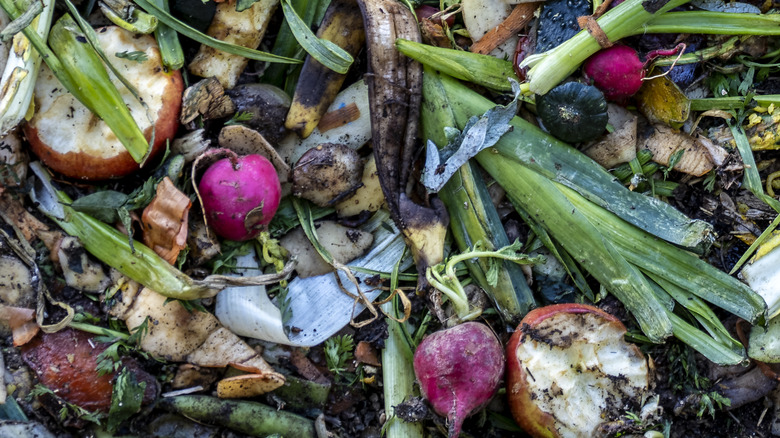
Fermentation and rotting seem very similar. Both involve microorganisms breaking down food. Both can dramatically change a food's appearance, smell, and texture. But fermentation results in savory sourdough croutons, tart yogurt, and aged Parmesan cheese, while rot produces something closer to what you'd discover lurking in the back of grandma's fridge, woolly and not exactly edible. Control determines the difference. Fermentation is an intentional, controlled process. Specific bacteria, yeast, or mold are introduced under the right conditions to transform food from its raw state into a delicious alternative. Microbes help preserve the food and enhance its flavor. Think of sauerkraut, soy sauce, or tempeh, all fermented, all carefully tended to in their evolution. Fermentation is all about managing microbes with a purpose.
Rotting is uncontrolled decomposition. No control and no tending to. Bacteria and molds from the environment surrounding the food take over without any management. There is no intention behind the process, and the result is unpleasant: bad smells, blue-green colors, and textures that signal the food is no longer safe to eat. To make things more confusing, the same microorganisms can appear in both processes. What separates the two is human intervention. A person monitors time, temperature, and microbial cultures to direct the fermentation. Rotting is what happens when nature, uncontrolled, runs its course. Understanding the difference between fermentation and rot might embolden you to make homemade Greek yogurt or clean out your fridge. Where rotting is chaotic, fermentation is a culinary art built on microbial mastery.