

Butter Vs. Foam Cakes: What's The Difference?
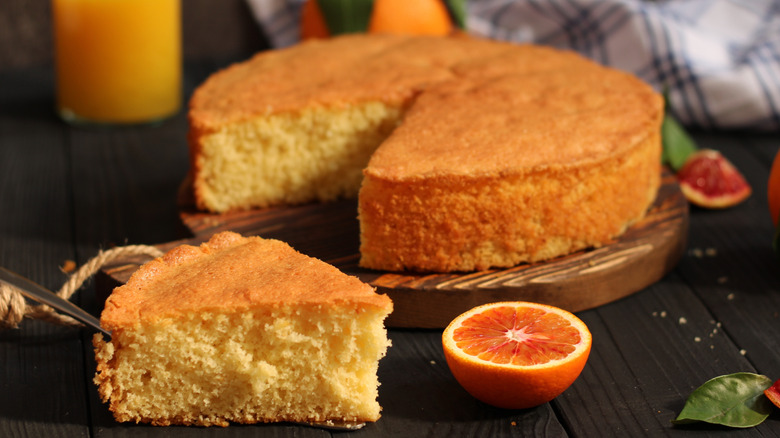
Have you ever sliced into a cake and thought, "Why is this one so light and airy, while that one feels like velvet?" Well, you are asking the right question. Most cakes fall into two main categories: butter cakes and foam cakes. Understanding which is which is not just baker talk, it's the secret to picking the right cake for your cravings or nailing your next homemade bake.
The distinction isn't just texture but technique. These two cake families start with different building blocks, which affects everything from mixing order to how they rise in the oven. Butter cake relies on creamed fat, while foam cake on whipped eggs. And if you have ever wondered why one cake collapses when you peek in the oven while another can take a beating and still look flawless, this difference explains a lot.
This is also why certain cakes behave differently after baking. Butter cakes tend to stay moist for days, aging like a fine wine when wrapped properly. Foam cakes, by contrast, are best eaten fresh, their delicate crumb prone to drying out. So, if you are baking ahead for a party or planning a showstopper centerpiece, understanding these basics helps avoid a frosting-covered disaster.
Butter cakes: Where fat meets flavor
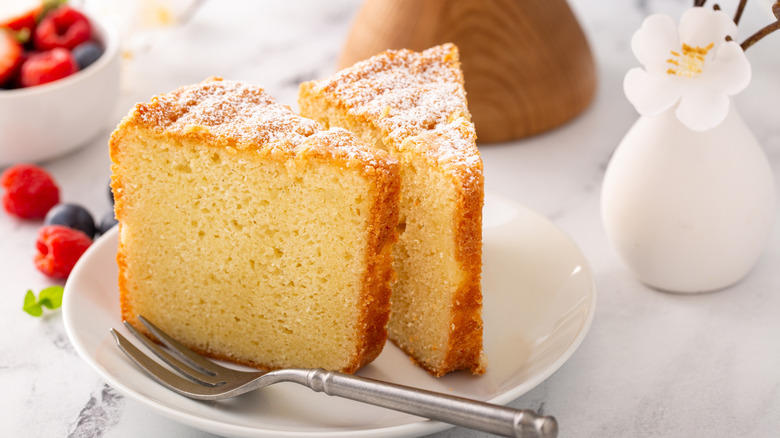
Butter cakes (or shortened cakes) get their signature richness from — you guessed it — butter or another fat like oil or shortening. That fat gets creamed with sugar, then beaten with eggs, flour, and leavening (usually baking powder or baking soda). The result? A moist, tender crumb that holds its shape and begs for frosting. Think birthday cakes, pound cakes, and cupcakes.
What makes butter cakes special is their structure. The creaming method introduces just enough air to lighten the batter, but the fat ensures a tight, velvety crumb. This makes them ideal for layers, shaping, or anything that needs to be sturdy enough to support fillings, frostings, and decorations. This is what you want if you are stacking sheet cakes, slathering on buttercream, or looking for something that slices cleanly and feels indulgent from the first bite. Butter cakes are like the reliable friend who shows up to every party dressed well and are ready to mingle with everything, from ganache to jam.
Light, airy, and graceful foam cakes
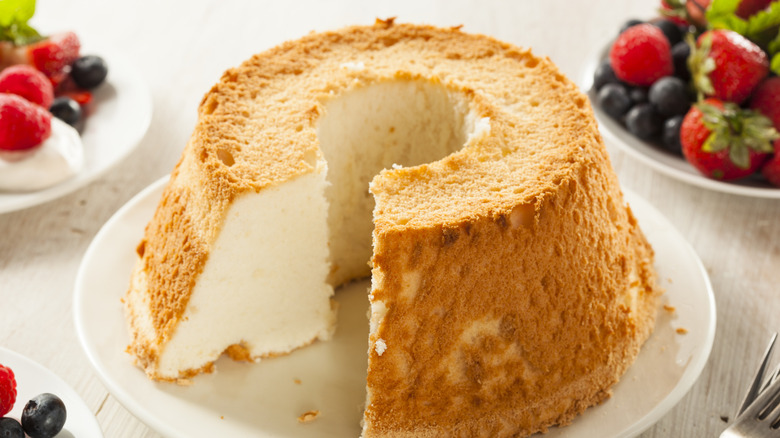
Foam cakes, on the other hand, rely on air; specifically, the air whipped into eggs or egg whites. These cakes have no chemical leavening and often very little fat (sometimes none). The volume comes from folding in whipped eggs and handling the batter gently. Foam cakes bake up tall and spongey with a springy texture. Classic examples? That easy-to-make angel food cake, genoise, or chiffon cake. They are lighter, more delicate, and often served with glazes or fruit rather than thick frosting.
Foam cakes shine when you want something that feels refined. They are ideal for serving with whipped cream, berries, or light syrups; and because they are less sweet and rich, they let toppings do the talking. They also absorb flavors beautifully, perfect for soaking in syrups or rolling into jelly rolls. But be warned — foam cakes are temperamental! They demand gentle folding, proper timing, and respect for oven temperatures. That fragility pays off in a texture that's feather-light and subtly sweet, a contrast to the boldness of butter cakes. Lightly dust your foam cake with some powdered sugar (not granulated), and you're ready to go.