

Freeze-Dried Candy Explained: What It Is And How To Make It At Home
We may receive a commission on purchases made from links.
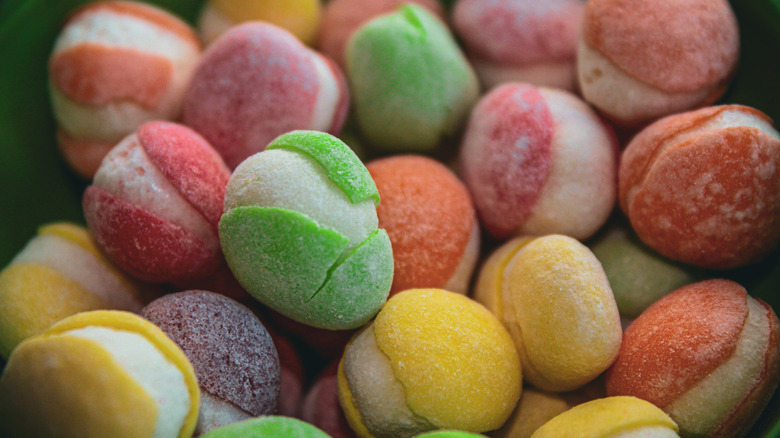
Freeze-drying candy might sound like something out of Willy Wonka's lab, especially with a name like "cryodesiccation." But it's really just science; with the right gear, you can do it in your kitchen. The trick behind freeze-drying is called sublimation. Instead of water melting and then evaporating, sublimation skips the liquid phase completely. Frozen water in the candy goes straight from solid ice to vapor under intense vacuum pressure. This process removes up to 99% of the candy's moisture, giving it a crunchy, airy texture and supercharged flavor. No moisture means nothing to dull the taste, so every bite feels extra-intense.
But here's the catch with freeze-drying candy: You can't pull this off with a regular freezer. Even though you should defrost your freezer regularly, there's no point in emptying it out for this. For freeze-drying, you need a countertop freeze dryer. Brands such as Harvest Right are your ticket to candy transformation — though larger models can run upward of $10,000. These aren't just plug-and-play gadgets; they drop temperatures down to minus 30 degrees Fahrenheit and apply intense vacuum pressure for hours at a go.
The best candies to freeze-dry
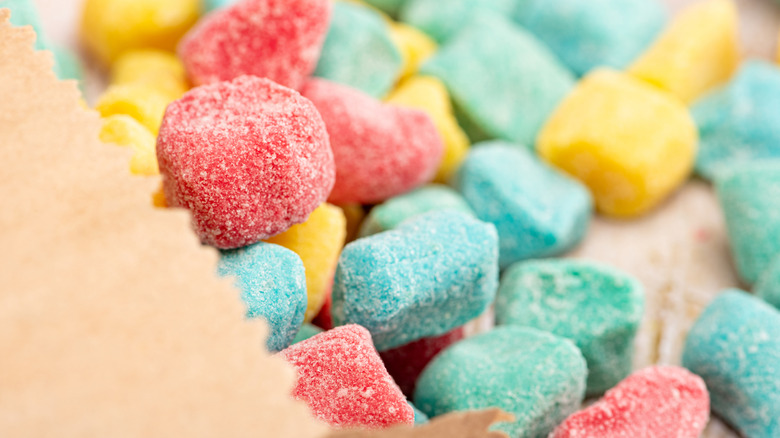
Not every candy is freeze dryer-friendly. Gummy bears, Skittles, and marshmallows are perfect. They puff up beautifully, turning light and crisp after the process. Chocolate, caramel, and honey, though? Not so much. Chocolate tends to melt and separate in the vacuum, leaving behind a greasy mess. You're better off stocking up on some popular chocolate bars instead. Honey also gets sticky and unpleasant, even after hours of drying. You can freeze-dry some fruit as well. Knowing what works can save you time, money, and some heartbreaking experiments.
While freeze-drying makes candy crunchier and longer-lasting, it's not as simple as tossing candy in the freezer overnight. There's also the financial side to consider. A freeze dryer may set you back thousands of dollars, and that's just the start. Each batch adds to your power bill, and the machines are about as loud as a dishwasher. You might want to store them in the garage. Finally, don't forget recurring costs for silica gel packs, such as Dry&Dry silica gel packets, and oxygen absorbers, especially if you're storing candy long-term.
How to freeze-dry candy at home
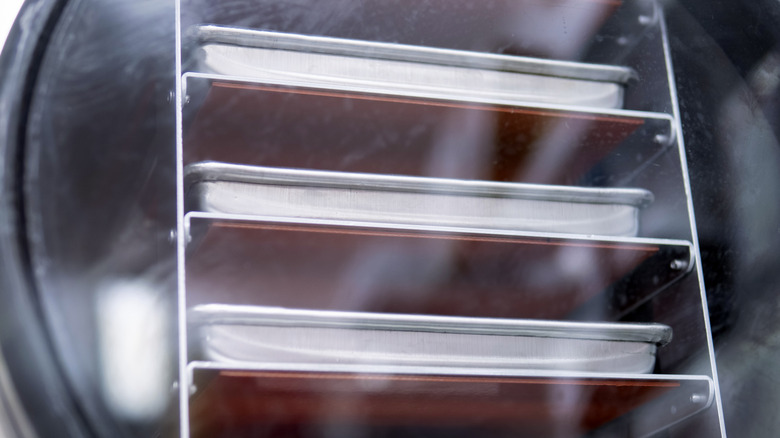
If you do take the plunge and invest in a freeze dryer, here's how to get started. Lay unwrapped candy in a single layer on the machine's trays. For sticky treats, such as marshmallows, line the trays with parchment paper (it makes cleanup way easier). Afterwards, select the "candy" setting on your machine — or manually set freezing to minus 30 degrees Fahrenheit.
When the cycle's done, move fast and store your newly crisped candy in airtight containers with silica gel packs (humidity is not your friend here). Leave your freeze-dried candies out too long and they start sucking up moisture, turning into soft, sad versions of their formerly crunchy selves. For a financial shortcut, consider renting a machine or buying pre-freeze-dried candy from places such as Trader Joe's (when in season) or from specialty shops online.