

These 15 Snacks And Foods Secretly Have Pork Hidden In Them
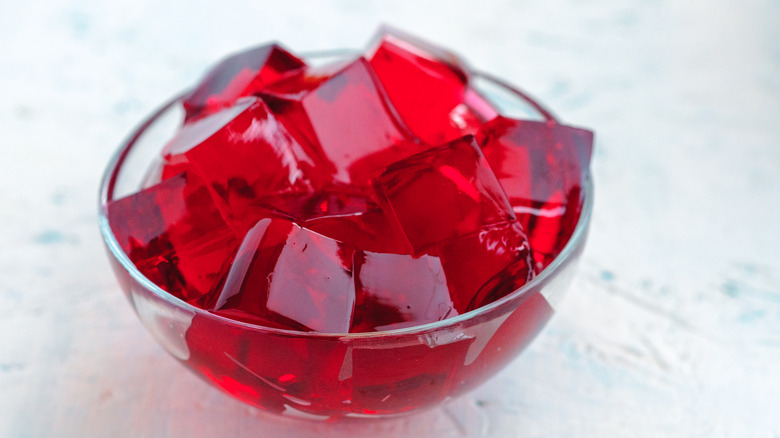
It turns out that pork is everywhere, hiding in various forms. The food industry uses pork-derived gelatin, most often associated with jello or marshmallows, to create a thick, springy texture or as a binder. Lard is sometimes used as shortening in baked goods or mixes instead of oil or other fats. Rennet, an enzyme from animals' stomachs, is used in cheese production to curdle milk into solids, and L-cysteine, an amino acid derived from various animal sources, is often used as a dough conditioner in baked goods. Plain old pork flavoring, too, can be found in food items that sound meat-free.
But for vegetarians, vegans, people with allergies, or those who keep Halal or Kosher, the porkiness of our food universe isn't anything new. These nutrition label vets have devoted entire subreddits to sleuthing out hidden pork in processed foods, so that those who abstain can eat freely. For many, keeping Halal or Kosher is a way to adhere to deeply held values and remain a part of a spiritual community. For some, it could be a post-childhood commitment to veganism after having their world rocked by the 1994 classic "Babe." And for others, avoiding pork could mean the simple difference between sickness and health. Regardless of the reasons people don't eat pork, we've put together a guide to hidden pig in the most unexpected of snacks and treats.
1. Some breakfast foods
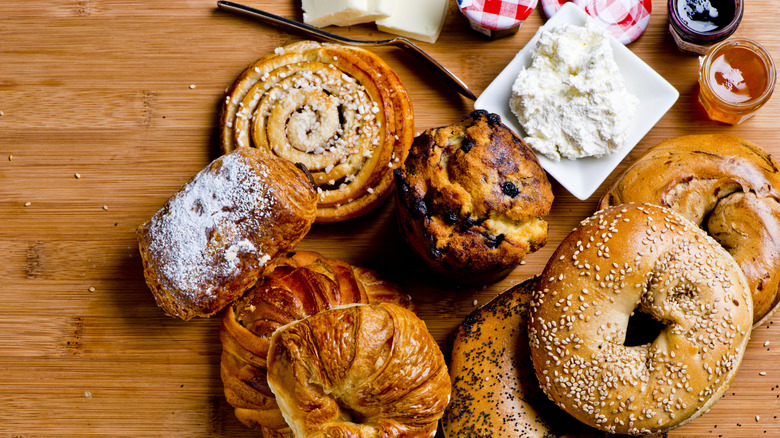
Surprisingly, even foods that are usually the meat-free companions to everyone else's bacon can contain pork. Lard, a colorless cooking ingredient made from rendered pork fat, is hidden in a handful of biscuit and pancake mixes. While a lard-enriched baked good wouldn't be out of place in a Southern kitchen, it may come as a surprise to a supermarket patron who isn't used to traditional corn bread with lard. Jiffy's corn muffin mix, for one, contains lard. Same goes for Jiffy's buttermilk pancake & waffle mix and buttermilk biscuit mix. Meanwhile, the brand's muffin mixes once contained lard but now use vegetable shortening.
Bagels, too, can often contain L-cysteine, an amino acid sometimes derived from pork. It acts as a dough conditioner, or an ingredient added to strengthen gluten bonds and create a more elastic dough. From Walmart to Kroger to Hy-Vee, many brands of pre-sliced, grocery store bagels contain this additive.
2. Yogurts and gelatin
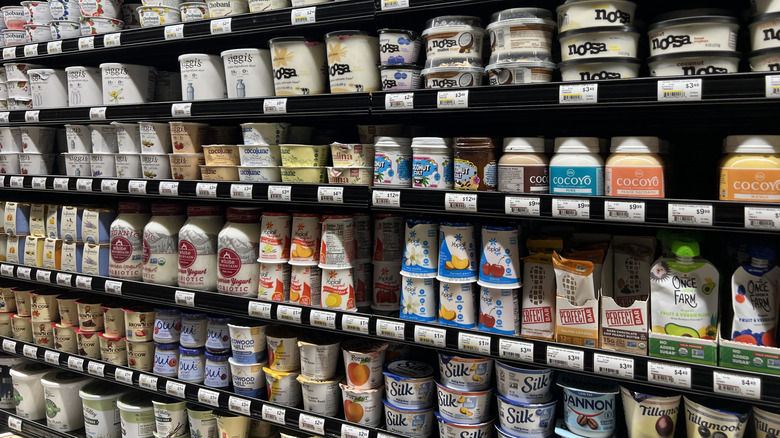
It's not a pleasant thought, but gelatin is not so far removed from its living, breathing source. To make it, pig skin and bones are usually treated with an acid, shortening the amino acid chains and turning the collagen present into gelatin, which is then extracted and recovered through drying, freezing, or other methods. It's often safe to assume there may be pork in gelatin-containing foods. The ingredient is found in over 14,000 branded foods listed on the USDA's comprehensive list, where it's often used as a "gelling agent" to thicken a liquid without significant changes in taste, smell, color, or texture.
Yogurt is no exception. From Yoplait to Danone, Walmart's Great Value brand to Hy-Vee and Harris Teeter, gelatin shows up in dozens of flavors and types of yogurt, many of them labeled "low fat" or "lite." Popular brands may list "kosher gelatin," but this does not guarantee it's pig-free; kosher gelatin can mean that pork was used to make gelatin, but was killed following Jewish dietary standards. Yogurt aisle hack: It is possible to get around the gelatin in yogurt by opting for Greek-style yogurts, which usually seem to omit it.
3. Donuts, pastries, and pies
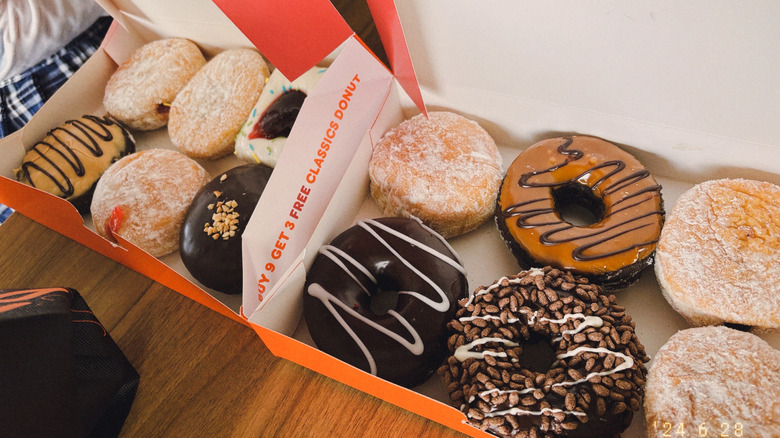
L-cysteine is used as a food additive, but it's also found naturally in animal products and whole grains. It is sometimes derived from pork, but it can be made from hair and feathers from other animals. Not everything that contains L-cysteine contains pork or even other animals, though. The additive can be produced via the fermentation of plant starch or made synthetically in a lab. But because many brands don't distinguish between animal-derived L-cysteine and vegetarian L-cysteine, curious consumers may have to call the company directly to check.
Of the thousands of branded products that contain this additive, one notable example is Dunkin'. Most of the chain's chocolate donut products — Chocolate Butternut Donut, Double Chocolate Donut, Glazed Chocolate Donut, Glazed Chocolate Stick, Chocolate Coconut Donut, and Chocolate Munchkins — contain an "L-cysteine blend." So does Goya's frozen dough, as well as several prepared apple pies. Perhaps less surprisingly, a large number of frozen pie crusts and shells from Safeway, Meijer, Publix, Hy-Vee, and Walmart also contain lard.
4. Some bread products
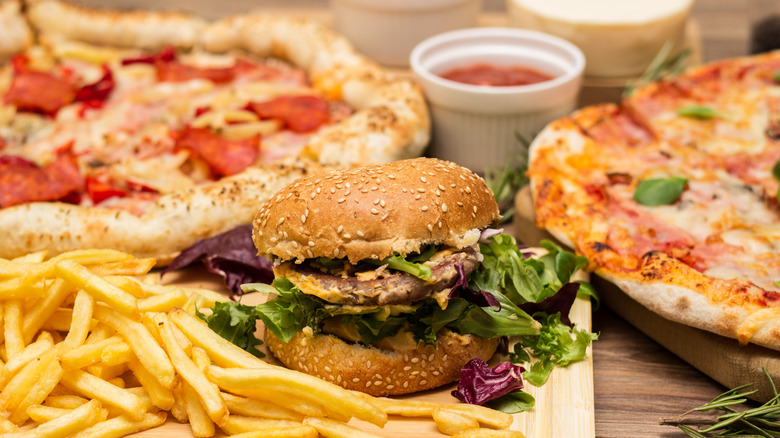
L-cysteine is also lurking in a vast array of bread products, including sandwich rolls, French breads, and hoagies. Considering its role as a bread conditioner, this may not come as a surprise to those in the know. Several pizza doughs contain the potentially pork-derived product, too, as does Market Basket's phyllo dough. Some of 7-11's sandwich products contain this additive, along with a surprising number of rolls, coffee cakes, hot dog and burger buns, and bread crumbs. "Naturally" derived L-cysteine, which is made via plant and microbial-based fermentation, makes up more than half of the market, according to recent reports, but ingredient labels don't always specify the source.
Tortillas, too, have long been made with lard as a fat to bind the flour and lend a rich flavor. It also allows the dough to be shaped more easily and creates a soft and flaky texture. Fiesta brand flour tortillas, along with some products from La Tahona and Gonzalez, all contain lard.
5. Certain types of cheese
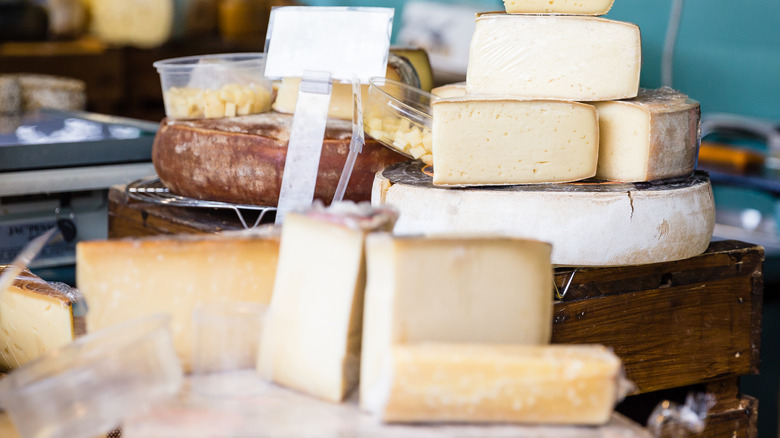
Rennet is a common ingredient when producing cheese; it's a set of enzymes derived from animal stomachs, usually calves, lambs, and kids. Unfortunately, the animals must still be milk-fed to have the right enzyme, mostly chymosin, present. Rennet is used to coagulate milk solids and separate them from liquids, which helps solidify cheeses. While pork-derived rennet isn't nearly as common, it is still used in some cases. Pecorino, Parmesan, Manchego, Gorgonzola, Havarti, Jarlsberg, Gruyère, Gouda — many of these cheeses are made with some form of rennet, though it is difficult to know which use pork rennet specifically.
Rennet can also be derived from microbial processes or vegetables, and brands will sometimes specify "vegetarian rennet" or "microbial rennet" on an ingredient label. Again, if you want to know for sure which kind of animal rennet has been used in your cheese, contact the manufacturer to confirm. Another trick is to check for a Halal label or to ask if the product is Halal — while less common than a Kosher certification, this is a way to determine that a product is free of pork.
6. Creamy soups and ramens
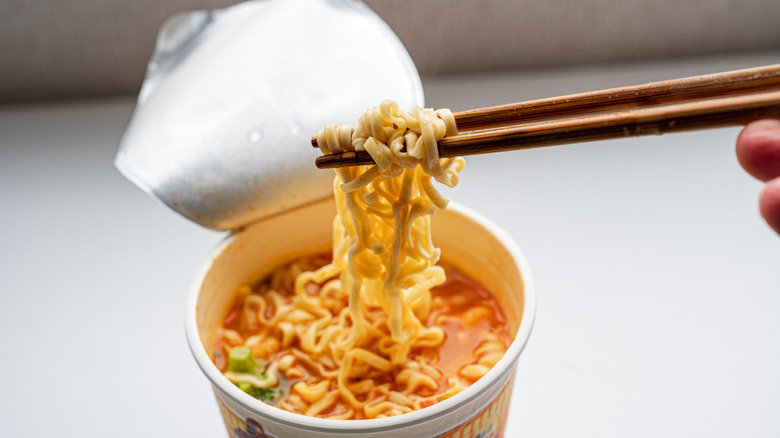
Many soups contain hidden pork, whether they're canned or packaged dry. Progresso's Reduced Sodium Corn Chowder, for example, contains smoked bacon, though it's not clear on the label, whereas the Gluten Free Chicken Corn Chowder specifies "with bacon." Meanwhile, Campbell's Homestyle Loaded Potato Soup and Clam and Corn Chowder also contain bacon. In general, it may be a good rule of thumb to double-check clam chowders, potato soups, and other creamy soups for pork flavorings, although some brands are better than others at indicating the bacon flavor front and center.
Dried soups, too, like Nissin's Shrimp Cup Noodles, Curry Ramen Noodle Soup, and Shin Black Soup contain pork and pork flavoring. No matter how artificial the ingredients in a powdered, processed soup may seem, most versions of pork flavoring in an ingredients list usually mean real pork. However, liquid smoke, which is completely vegan, is used in many processed foods to lend that smoked-meat flavor.
7. Cheesy pastas and prepared meals
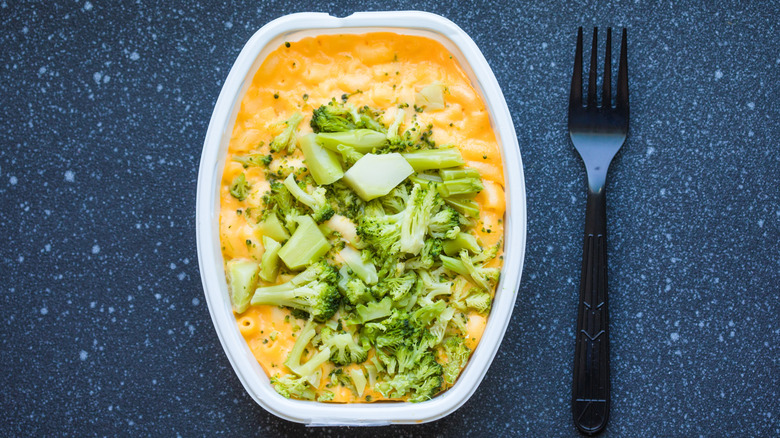
Rennet, the animal-derived ingredient in cheese production, can also be found lurking in prepared meals. Many pasta dinners, including some from Sam's Choice, Wegman's, Giant Eagle, Shoprite, and Meijer's, contain rennet. Think cheesy and creamy pastas, like some mac & cheese, chicken Alfredo, tortellini, and risotto. Again, rennet is not usually derived from pork, but contact the company in question to double-check if you aren't sure.
It's safe to assume biscuits and gravy breakfast items contain pork sausage in the U.S., and meatloaf and gravy meals often contain pork products, too. But gravy and Salisbury steak frozen dinners may not scream pork to the average grocery store-goer, despite pork's presence in many versions of this ground-beef classic. When it comes to pre-packaged frozen dinners or mixes, the presence of one type of meat on the front of the box may not rule out other types listed on the back.
8. Some gravies and sauces
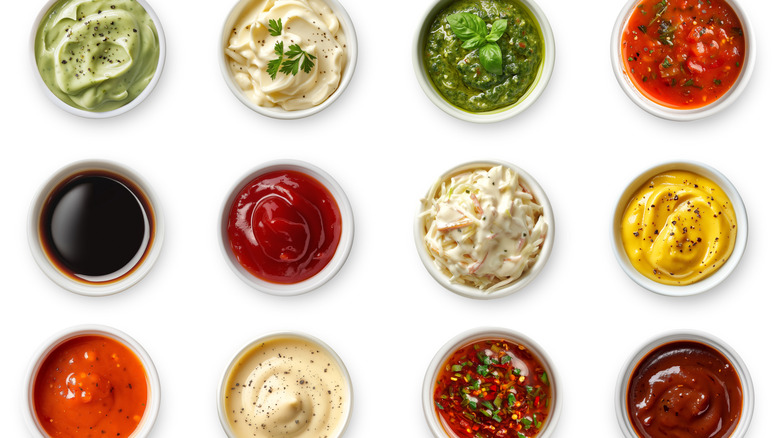
Always check your labels. While it may seem obvious that meaty gravies in the canned or dry sauces section might contain pork, others may not be as self-evident. For example, we found a few ginger and ginger soy sauces that contained porky flavorings. Similarly, some barbecue sauces and seasoning mixes, such as for potatoes, spaghetti sauce, and chili include the ingredient.
A dizzying number of creamy dips also contain gelatin, according to the USDA's database, including onion dips, dill dips, ranch dips, layered taco dips, and even tzatziki. Sweet dips are no exception here, especially if they contain some version of marshmallow, which gets its signature texture from the animal-derived gelling agent.
Curiously, L-cysteine is also used to prevent some guacamoles from browning by inhibiting oxidation. Some guacamole dips, salads with guacamole sides, and Southwest-style bowls contain L-cysteine, which, although not always derived from pork, could still be problematic for some people. Luckily, there are plenty of pork-product-free dips left for vegetarians and others to enjoy.
9. Salad dressings and sour cream
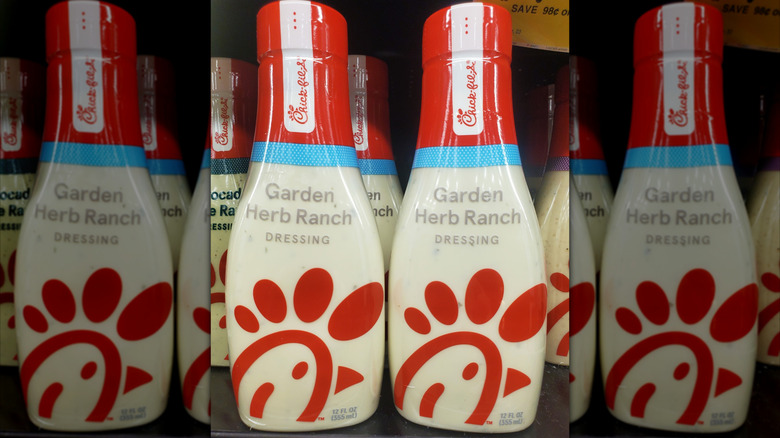
A number of salad dressings contain gelatin, likely used to impart a thicker texture, including Chick-fil-A's Garden Herb Ranch Dressing, Trader Joe's Elote Salad Kit dressing, and many Ken's options. Additionally, many creamy and cheesy dressings, like blue cheese, ranch, yogurt, and some Caesars contain gelatin. We even found a "Waterfront Bistro Seafood Salad Southwestern Style" with a creamy, spicy Southwestern-style dressing that contains gelatin, which probably isn't the first ingredient that comes to mind when reading the label.
A number of chicken salad products with creamy dressings also contain the additive. Luckily, modified corn starch, other starches, and xanthan gum are commonly used instead of gelatin in salad dressings to leave them perfectly vegetarian and pork-product-free. Unfortunately, many brands of sour cream and dips made with it also contain gelatin. A pattern seems to be emerging: Check all dairy products for rennet or gelatin.
10. Potato chips, pretzels, and cookies
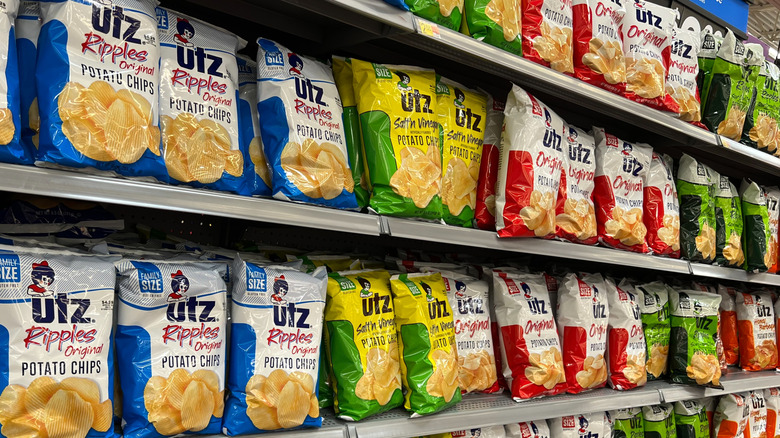
Beware a pig-laced potato chip. The popular Utz brand carries a couple of potato chip products containing lard, including Grandma Utz Kettle-Style BBQ Potato Chips and Grandma Utz Kettle-Style Potato Chips. Other potato chip brands like Gibble's and Good's also contain lard. This ingredient has a flavor many associate with "traditional" style and kettle-cooked potato chips, and it also has a higher smoke point for frying. In barbecue flavored chips, lard also makes sense for that meaty, smoky taste. For the most part, however, chip makers opt for vegetable oil to fry their chips.
Pork sneaks into other salty snacks, namely, pretzels. L-cysteine is in many brands of pretzel rods and pretzel buns sold at popular grocery stores, in addition to snacks, bars, frozen appetizers, and desserts that incorporate pretzels, like yogurts with pretzel toppings and energy bars. Meanwhile, other energy bars, including nutty, chocolatey, and fruity styles, sometimes contain gelatin.
11. Some bean products
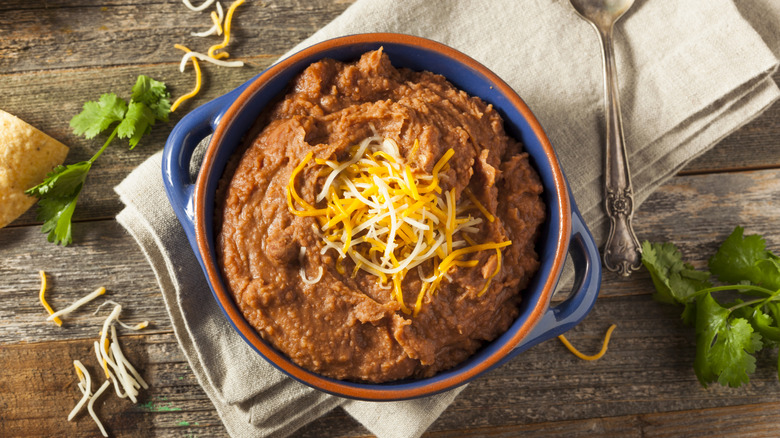
Beans are a tried and true vegetarian and vegan staple for a satisfying and protein-rich meal. While conscious consumers likely already know what's hidden inside a can of refried beans, the extent to which pork shows up in beans might come as a surprise to some. Lard is found in many brands of refried beans, like Bush's, Kroger, Ortega, Old El Paso, Hy-Vee, Meijer, and Rosarita. To avoid lard, look for dried, whole, and vegetarian-labelled cans of beans.
People avoiding pork should also beware of frozen and prepared meals that incorporate beans — even if what's on the box and description seems vegetarian. There are bean and cheese burritos and red beans & rice frozen dinners that contain lard. Layered and party dips full of refried beans, cheese, sour cream, and salsa may also have lard lurking in their depths. Watch out for Hy-Vee's 6-Layer Dip, Raley's Mexicali Bean Dip Tray, and Rojo's 5 Layer Dip, which contain lard.
12. Chewy sweets, gummies, and jelly beans
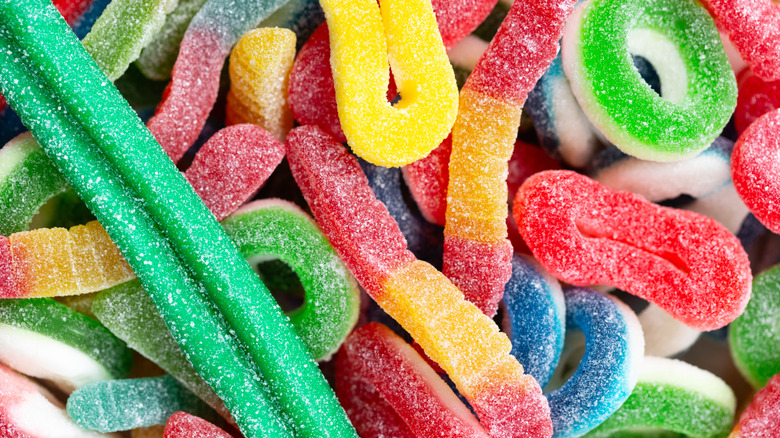
Think you didn't have to worry about animal products sneaking into the candy aisle? Think again. Gelatin is widely used in products that are gummy and chewy, like some gummy bears, Haribo treats, Starbursts, and dozens of others. Many gummy candies, however, eschew animal byproducts for other gelling agents like modified corn starch, which has the same effect. Sour Patch Kids, Jolly Rancher Gummies, and Swedish Fish all contain modified corn starch to create their trademark gummy, chewy texture. On the other hand, Twizzlers, Dots,Red Vines, Brach's Orange Slices, and Skittles are all pig-derivative free.
So why do some companies continue to use gelatin if alternatives exist? Gelatin happens to be one of the most cost-effective gelling and thickening agents. But increasingly, companies that use all vegan ingredients make it a selling point. For example, Katjes recently underwent a rebrand that puts its vegan qualities front and center.
13. Frosted cakes and snacks
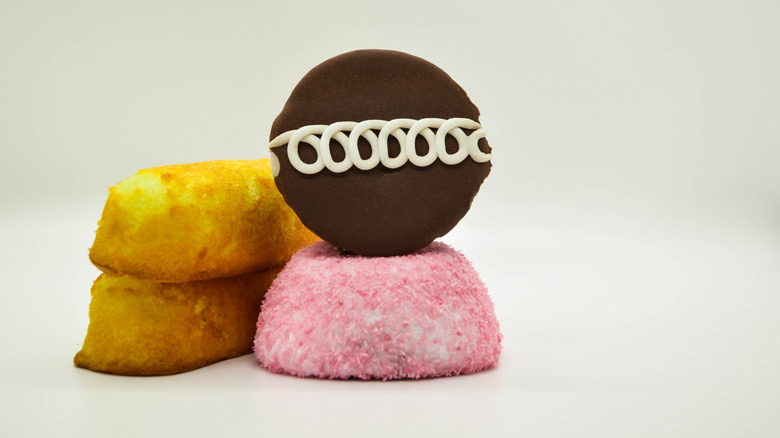
To most of us, gelatin in Jell-O comes as no surprise. It's practically in the name! However, other processed treats also contain pork products. According to Kellogg's, Rice Krispies Treats contain gelatin (hello, marshmallows), and so do the Fruity Snacks. It's probably safe to assume that if a sweet treat contains marshmallows — think Lucky Charms cereal, S'mores-flavored anything — gelatin comes into the picture somewhere. Frosted Pop-Tarts and Frosted Mini-Wheats also contain gelatin, but it is derived from beef. However, other frosted toaster pastries besides Pop-Tarts and other versions of frosted cereals may use pork gelatin to give the frosting the desired texture and hold its shape.
Packaged cakes are another widespread source of potentially pig-derived gelatin, from Entenmann's to Hostess layer cakes, coffee cakes, cupcakes, and loaf cakes — many because of a marshmallow-y filling or topping. Even cheesecakes and packaged donuts often incorporate the ingredient. In many cases, gelatin can trap moisture in the cake, giving it a moister, spongier texture that lasts longer on the shelf.
14. Chewing gums and mints
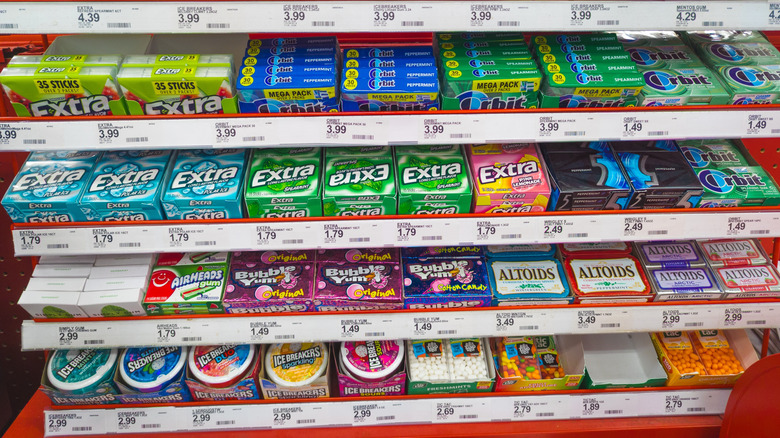
Gelatin also sneaks into your after-dinner mints and chewing gums as a binding and stabilizing agent. Even without being used to add a jelly-like texture, it is an ingredient in some Altoids and Ice Breakers products. Though, as with other gelatin-containing foods, it's unclear if the gelatin comes from pork or other animal sources, so pork-wary consumers should steer clear or investigate further to clarify the source of the gelatin. When it comes to chewing gum, Orbit appears to leave out gelatin, as do most minty Dentyne, Wrigley's, Trident, and Mentos gums.
Gelatin is listed as an ingredient in many chewing gum entries from the USDA's food database, which tracks ingredients in branded products sold in the U.S. But many of these ingredient lists haven't been updated since around 2021. When we look at current ingredient lists on company websites, most now omit gelatin. It's not clear why, but it is possible that companies are phasing out gelatin in favor of modified corn starches or other vegan ingredients.
15. Some ice creams and frozen yogurt
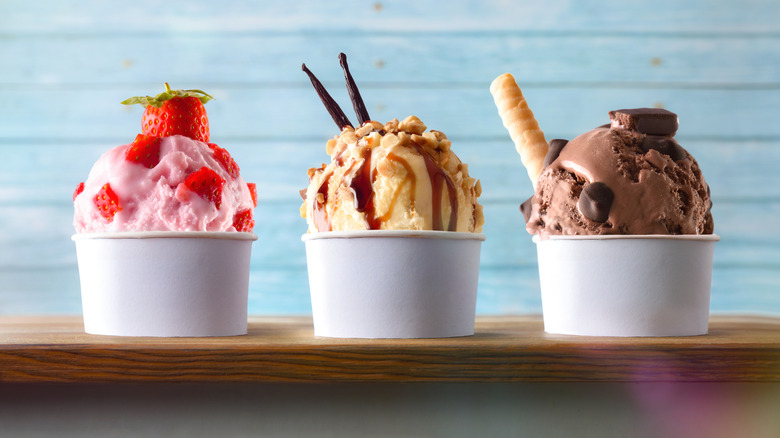
Even your ice cream sundae may not be able to escape the clutches of Big Pork. If you want to make sure you're avoiding gelatin, you can rule out most kinds of Rocky Road flavors — we see you, mini-marshmallows and marshmallow swirls. But many non-marshmallowy ice creams, including moose tracks with fudge, cookies and cream, and other flavors from a company called Wilcoxson's, also contain the gelling agent. Gelatin can prevent ice crystals from forming, which results in a smoother texture. Look out for gelatin in some frozen yogurts and ice cream bars. Although many are gelatin-free, occasionally, some unexpected ice cream flavors will contain it.
And if you're old school about your sundaes, here's another surprise: A number of dry-roasted peanuts, including some from Planters, also use gelatin. Reportedly, this is to help spices and flavorings adhere to the nuts. According to one intrepid Redditor who reached out to Planters, the gelatin is, in fact, from pork. Since their investigation was years ago, however, ingredient sourcing may have changed.