

Chitterlings Vs Tripas: What's The Difference Between The Two?
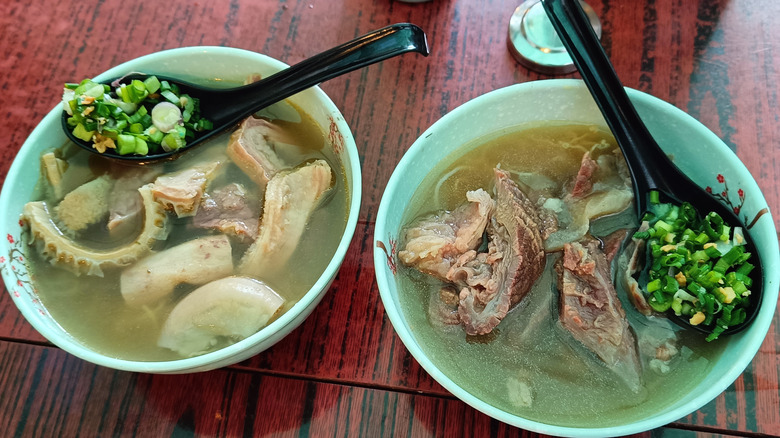
Chitlins (short for chitterlings) and tripas are both types of intestine-based dishes. However, they have different cultural origins, different cooking and preparation methods, and, in some instances, involve different animals altogether. Chitlins and tripas may have some similarities, particularly when both dishes involve the same type of animal, but they have multiple differences that separate them.
Chitlins are traditionally seasoned with salt, vinegar, onions, and pepper. In its most classic form, chitlins are made from pig intestines and typically require about three hours of slow-cooking in a pot to make them palatable. Some people appreciate chitlins for their unique flavor; for others, this hearty meat is more of an acquired taste (and smell, and texture).
Tripas, on the other hand, are often boiled first, then fried, grilled, or cooked so they turn crispy. Similar to chitlins, tripas are seasoned, but you should expect traditional Mexican flavor profiles (think of the bold, savory flavor of cumin, garlic, and chili powder). While tripas can be made from pig intestines, they commonly come from the intestines of cattle. You could think of chitlins and tripas as two sides of the same coin, both coming from cultures that value using every part of an animal. Some appreciate chitlins specifically for their soft bite, and tripas for their crispness. Either way, both can be delicious when prepared correctly, and they are always worth trying.
The cultural differences between chitterlings and tripas
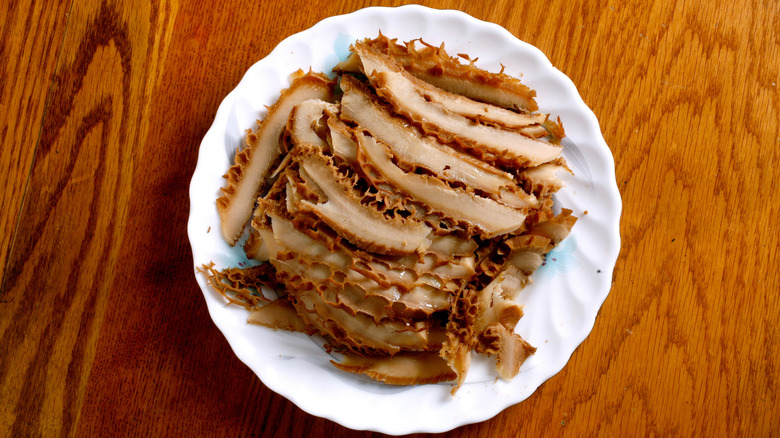
Chitlins are most often connected with Southern food (especially regarding African-American cultural heritage). They also have a reputation for a strong taste with a heavy, earthy essence, as well as a slight chewy texture. When plated, they might be served with some hot sauce or vinegar to cut through the richness. It might not be the first choice of dishes to bring along to a Southern-style potluck, but it's worth considering.
Tripas, on the other hand, are an ingenious culinary invention more associated with Mexican cuisine that are often used as fillings. Tacos de tripa, for example, is one of several Mexican taco styles that folks enjoy. One of the reasons tripas have remained so popular through generations is their crispy texture, which shines when wrapped in a tortilla or taco. You can make some restaurant-worthy salsa at home and serve as a topping, along with caramelized onions.
A good rule of thumb to remember is that chitlins and tripas are both made from intestines, but with slight differences in seasoning, cooking techniques, and animal sources. You could say they're different cultures' takes on the same idea. That is, taking the lesser-prized cuts of meat and turning them into comfort food.