

Can You Freeze Chickpeas?
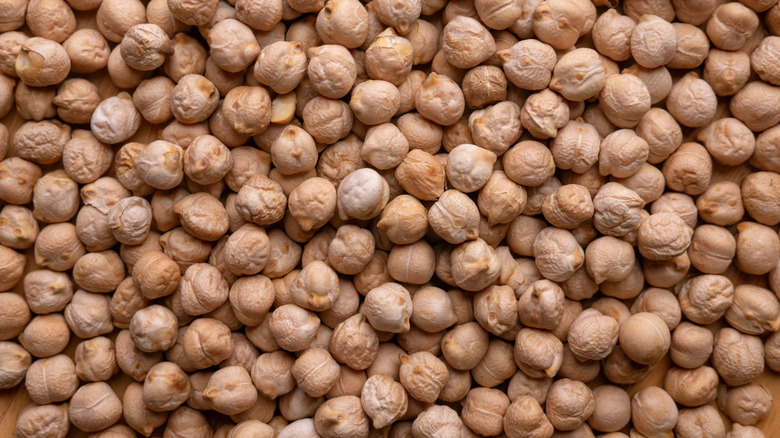
Chickpeas are a seriously underrated ingredient. This little legume is perfect for adding more protein to your breakfast; and when roasted, chickpeas also make for a great salty snack alternative to chips. For such a small ingredient, there sure are a lot of tasty ways to use them.
The one downside of chickpeas is that they tend to be cooked in large batches and, unless you eat them regularly, leftovers will probably go to waste since they only last about five days in the fridge. Fortunately, it is possible to store chickpeas so they last longer. When frozen properly, chickpeas can last up to six months.
As for how to freeze chickpeas, there are several methods you can use. Once frozen, the chickpeas can later be used for any dish you'd normally use them for, from stews to dips. The best part is that you don't necessarily need to defrost them either; for certain hot dishes like soups or curries, you can just add frozen chickpeas in the same way you would with frozen peas.
How to freeze chickpeas
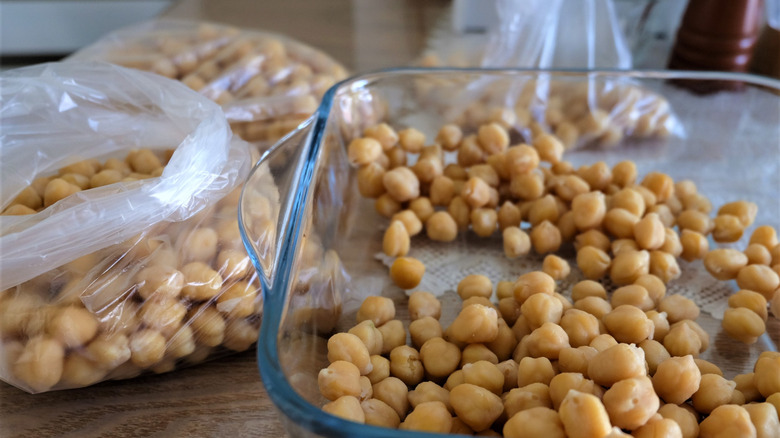
Before you can freeze chickpeas, it is imperative to drain the dish and allow them to cool down first. Any excess water could cause them to stick together while freezing, so do not skip this step. To be extra safe, you can also pat the chickpeas dry with a paper towel.
If you want to really ensure that the chickpeas don't stick together, you can pat them dry, separate them, then spread them out as a single layer on a baking sheet. Freeze the baking sheet for a few hours, then proceed to storing the chickpeas. However, this is an optional step and is only for those who want to avoid large clumps when trying to reuse their chickpeas.
Once dry, the chickpeas can be placed into an airtight container. This can be a glass container, a plastic container, or even a freezer bag. The important thing is to make sure it is airtight to help prevent freezer burn, as exposure to air is the biggest culprit behind the unfortunate phenomenon. After that, you can place the chickpeas in the freezer and they should keep for up to six months.