

Turn Cottage Cheese Into Edible Cookie Dough With A Few Simple Ingredients
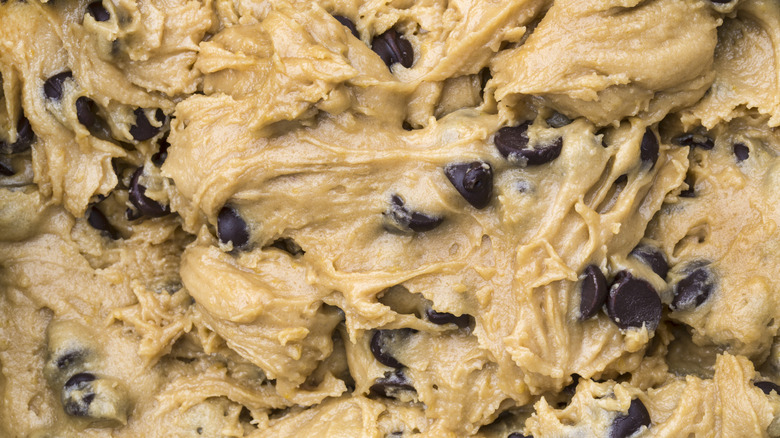
It's hard to hate a freshly baked batch of cookies, but there are some days when we love the dough even more. Instead of waiting on the oven, we can just indulge in the sweet, decadent treat right there. Why wouldn't we?
Well, while this treat might taste delicious, we're all familiar with the dangerous bacteria that raw dough might harbor, which can eventually lead to food poisoning. For peace of mind, it's best to either bake your cookies or substitute potentially hazardous ingredients with alternatives. If you're on team dough, substitute any milk and eggs in your recipe with cottage cheese. It might sound like an odd swap, but cottage cheese has the same mild flavors and vital proteins as eggs, which means it can be turned into a ton of different dishes (including a light, easy "Alfredo" sauce).
For a dough that's delicious and safe, start by scoping out our list of cottage cheese brands ranked worst to best. (Or make your own, because you don't need special ingredients to make homemade cottage cheese.) A full-fat option will lend the best results. Once you've got your cottage cheese, grab a blender. (You didn't think we were gonna leave the curds in, did you?) Blend the cottage cheese with your other wet ingredients until smooth, fold in your dry additions and toppings, then enjoy your edible cookie dough as you please. That's really all there is to it.
The swaps don't stop there
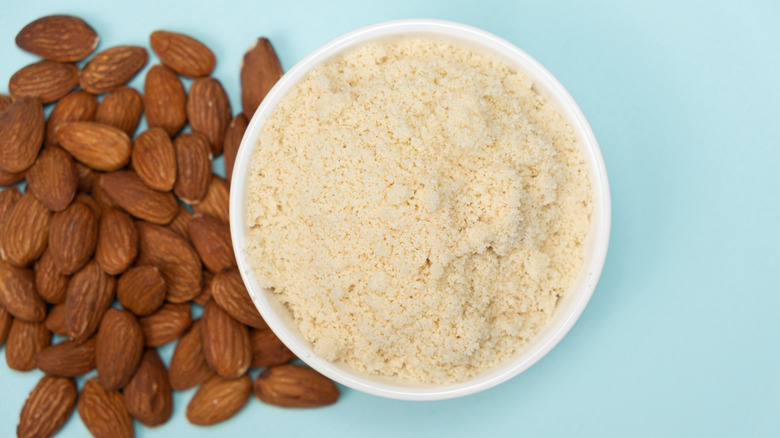
The exact amount of cottage cheese you'll need depends on the recipe. For starters, add 1 cup of cottage cheese for every cup of flour, then adjust the ratios to your liking. While the cheese is a great substitute for eggs, don't forget to find a replacement for grain flour if needed, too. Raw flour might contain harmful bacteria, and while the risk of getting sick from it is low, it's not zero. To be safe, use another alternative ingredient. Nut flours like almond are a safe choice, as is coconut flour.
These swaps not only make for a safer, protein-packed treat, but also a less demanding recipe. Most cookie recipes suggest adding a pinch of salt to enhance the sweetness. Since cottage cheese is already high in sodium, you can skip that step completely.
While it's best to eat your edible cookie dough right after it's made, those with strong wills can store this mixture in the fridge for up to a week. Food safety might not be the first thing on your mind when a bowl of cookie dough is in front of you, but little swaps like these could save you from regretting your choices later on. We'd say that alone makes the switch worth it.